
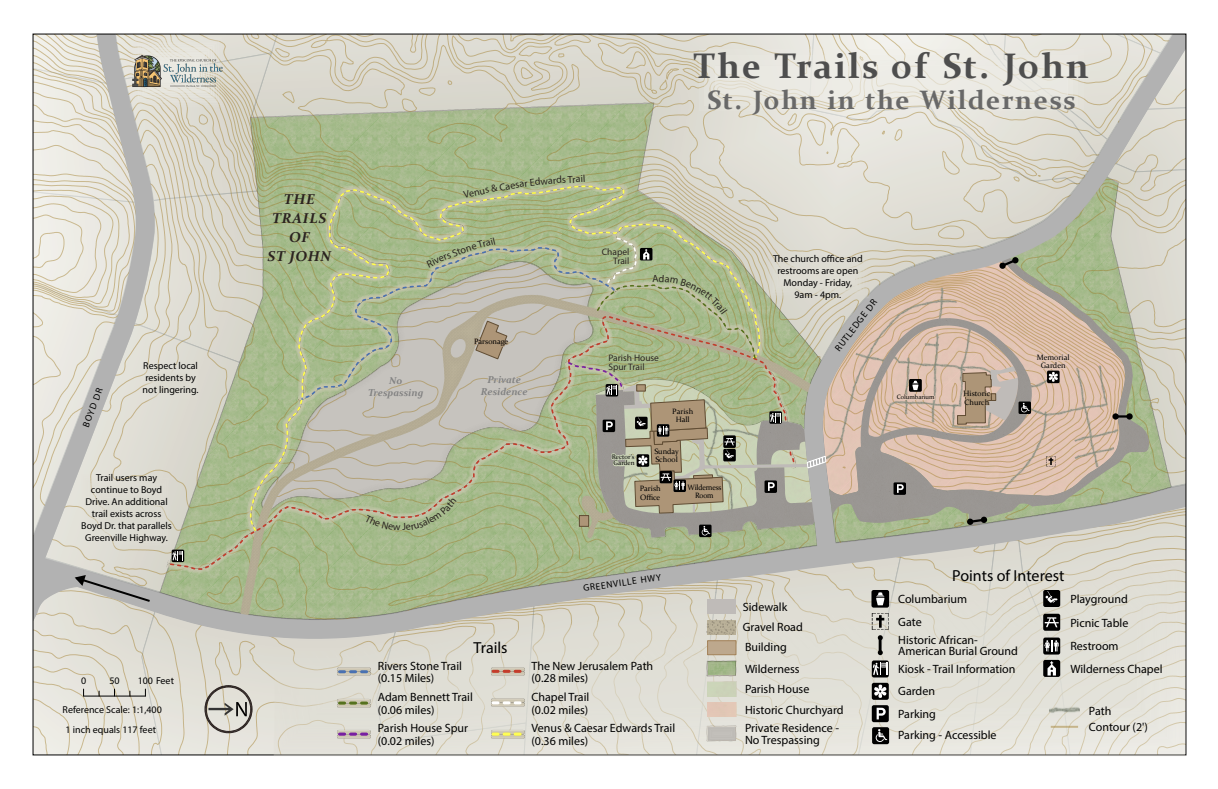
In 1995, historian Louise Howe Bailey wrote of an old pathway that once carried worshippers from Flat Rock's summer estates to St. John in the Wilderness. By then, the Jerusalem Path had long since fallen into disuse and disappeared beneath the woods. Still, in her history of the church, St. John in the Wilderness, Bailey closed her account with a small, hopeful thought about the old path: "Perhaps one day it will be reopened for the sake of history."
More than three decades later, Bailey's hope has at least partially taken shape.
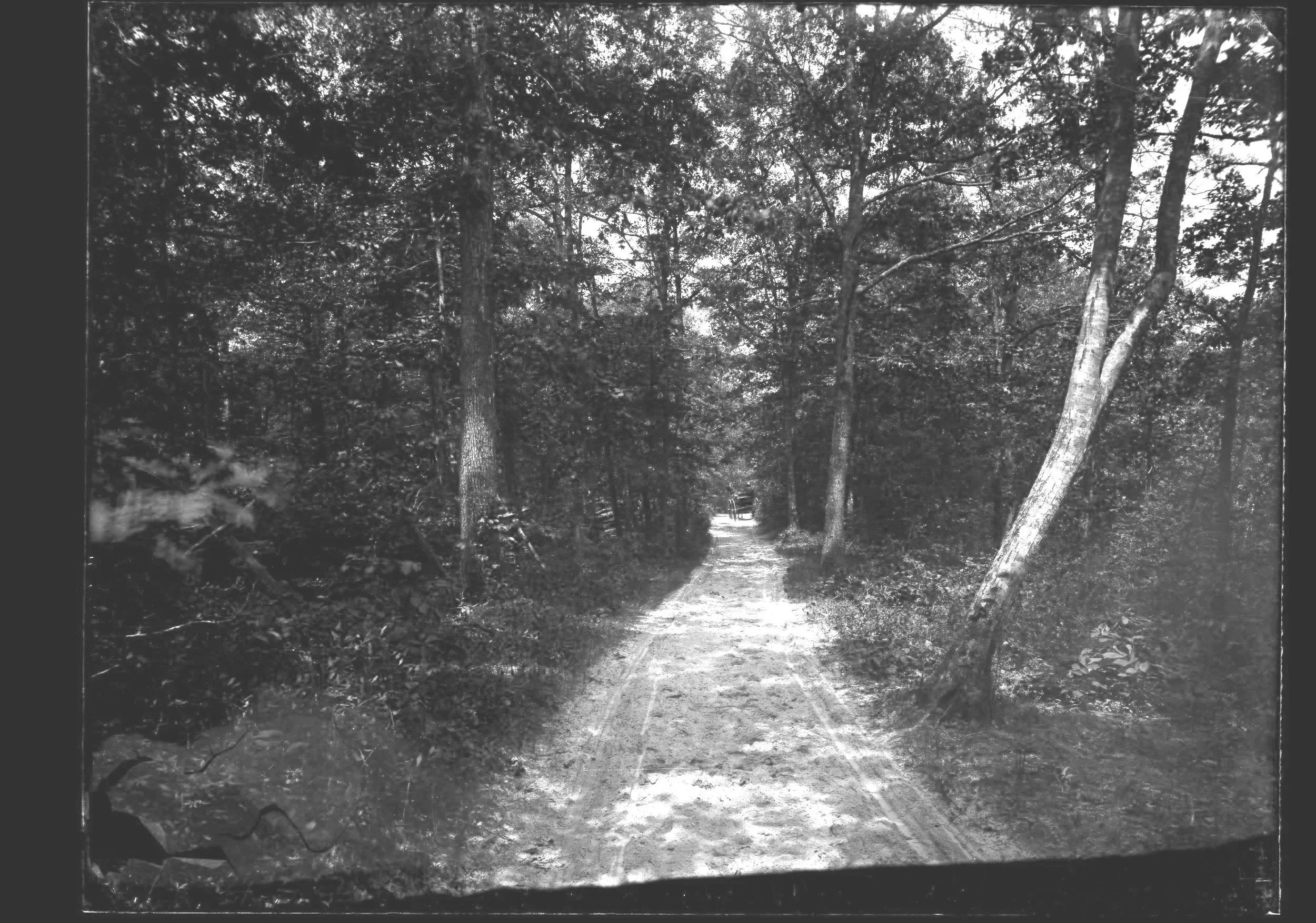
A taxi service, old Flat Rock style, was a necessity. And there was one, of course - very efficient, locally operated, and dependable in all kinds of weather. Train service arrived here circa 1876, but when you got here, family and luggage in tow, it was the horse and buggy you relied on.

As Western North Carolina continues to reckon with the devastation left by Hurricane Helene, filmmaker David Weintraub believes a nearly forgotten native plant has an important story to tell - about protecting our rivers, preserving Cherokee culture, and learning to work with nature rather than against it.

At this year’s Art in Bloom, hosted by The Gallery at Flat Rock, flowers and art met in more ways than one. Inside the gallery, floral designers created arrangements inspired by works of art, while Liz Queen created a floral experience of her own.
Outside the gallery, Libby - Queen’s vintage Volkswagen flower truck - greeted visitors from her spot near the entrance. Together, the truck, a growing patchwork of gardens, and Liz Queen’s lifelong love of flowers reflect the beauty and joy she is bringing to the Flat Rock community through her business, Let It Be Flowers.
At the entrance to The Park at Flat Rock, a small plaque celebrates Conserving Carolina’s role in helping make one of Flat Rock’s most beloved places possible. Hundreds of people walk past the marker every day. They come to walk the trails, exercise their dogs, watch their children play, practice yoga, share a picnic, or simply sit beside a creek for a while - to rest, rejuvenate and reconnect with the natural world.
Most park visitors probably don't realize that the place they have come to enjoy is also an example of how Conserving Carolina has quietly enriched life across Western North Carolina for nearly four decades.
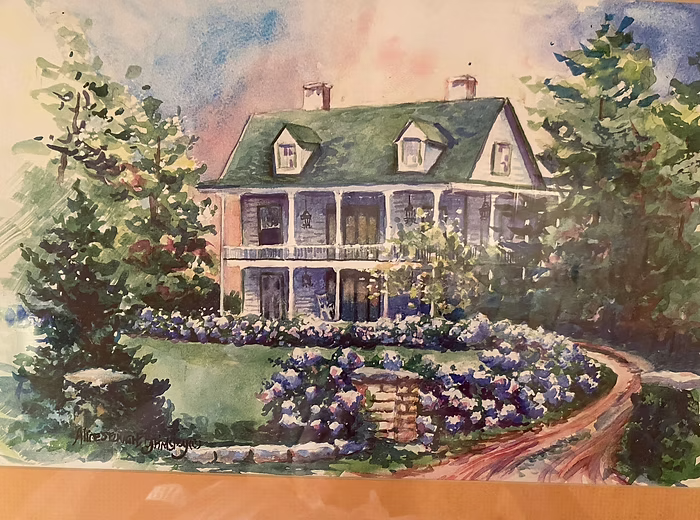
Many who live in Flat Rock pass by the stone columns along Greenville Highway, just southeast of St. John in the Wilderness Episcopal Church, several times a week. The tilting columns stand as reminders of a once-grand home called Dolce Far Niente, built ca. 1837 by Thomas Lowndes. That home, and the property surrounding it, would become a magnet drawing generations of Lowndes descendants back to Flat Rock for nearly 200 years. This is the story of the house, the land, and the family legacy they helped create.
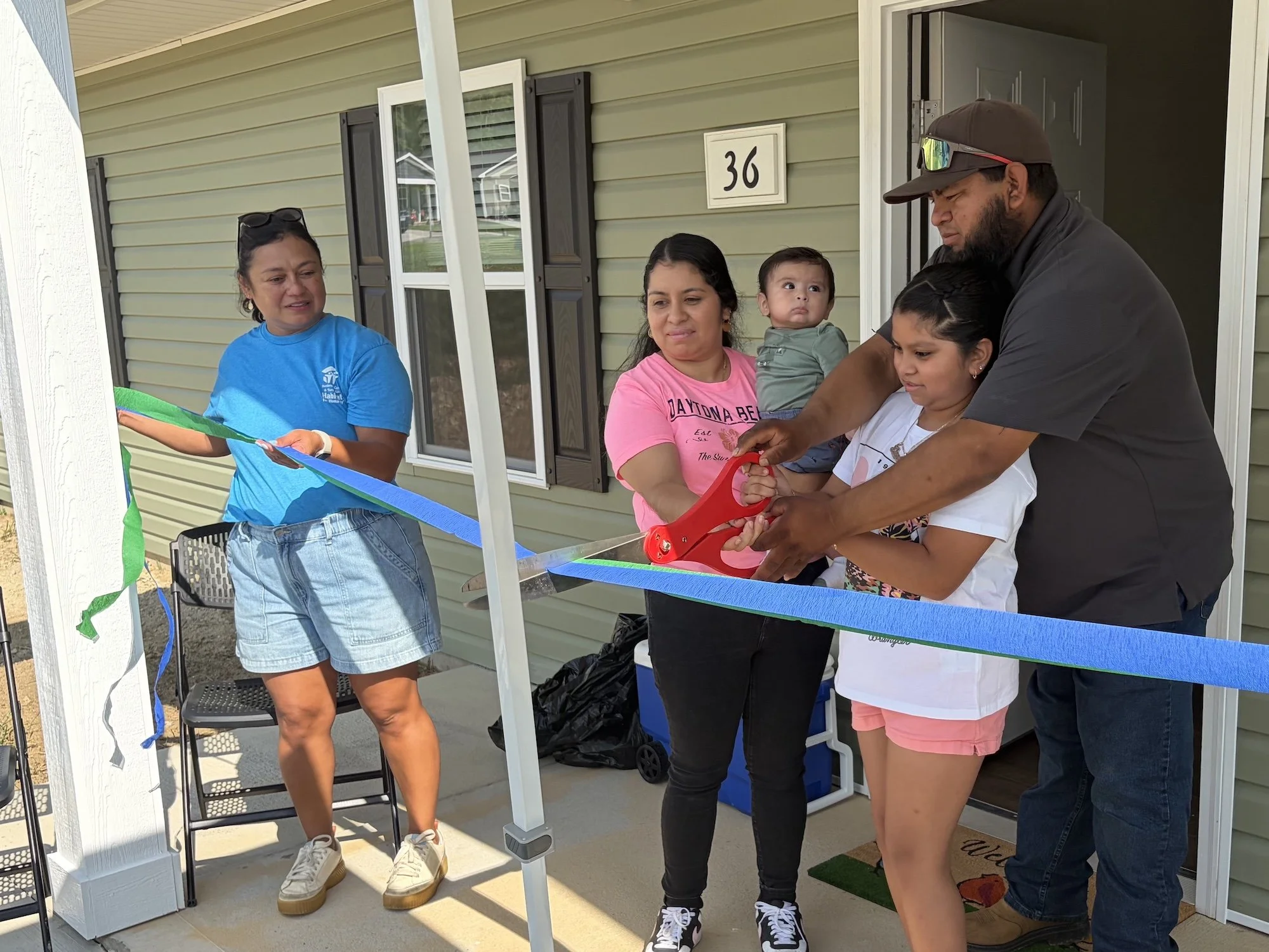
On a warm, bright Saturday morning in East Flat Rock, Mireya Chipol stood inside her new home and cried. Around her, Habitat for Humanity staff and volunteers had gathered in the Dodd Meadows community to celebrate the dedication of two new homes. Mireya’s family gathered by her side, and as Father Tom Buechele offered a blessing for the home, the significance of the moment seemed to overwhelm her.
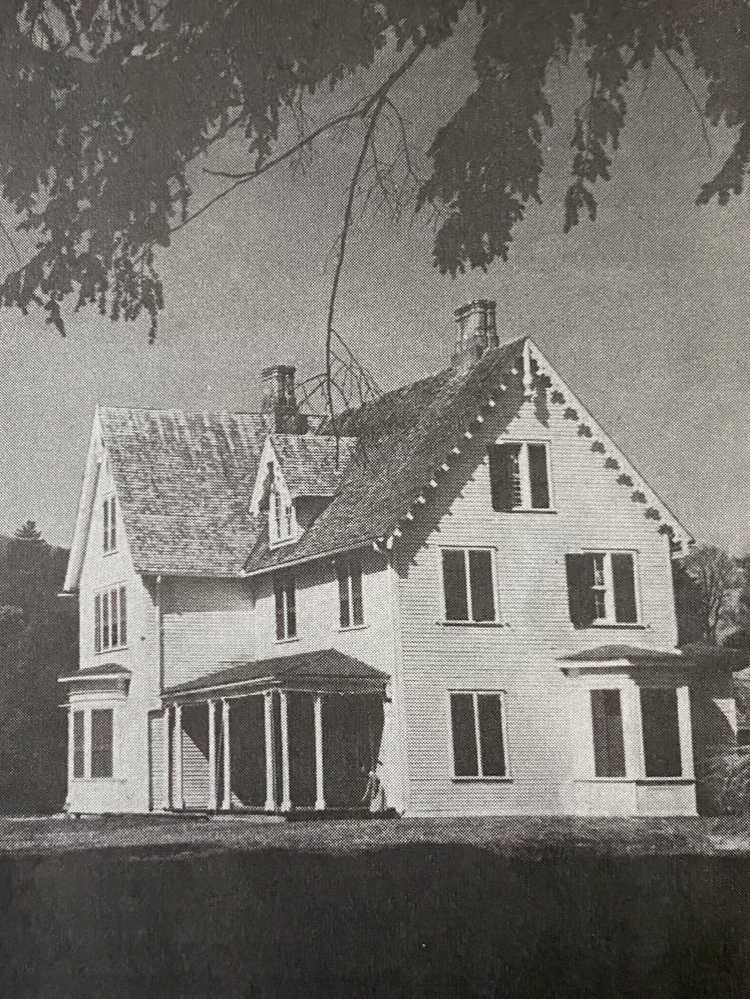
When the antique beauty of Flat Rock was threatened in the 1960s with the demolition of two historic properties and the burning of another, a nonprofit organization was formed with the purpose of helping to protect as much as possible of the community’s unique character and the preservation of the area’s historic sites and values. This organization was named Historic Flat Rock, Inc.
By Missy Craver Izard

One of Flat Rock's most beloved citizens, Albert Gooch, died this week after an extended period of declining health.
The Albert I had the privilege of knowing was kind, gracious, and deeply committed to making the world a better place. In every sense, he was the quintessential Southern gentleman. One of the first people I met after arriving in Flat Rock, I was honored when he agreed to let me tell the story of his remarkable life in a profile published in 2021.
I am pleased to share that profile again here.

Flat Rock Playhouse audiences do not need an introduction to Nat Zegree or Courter Simmons. They already know them. They have applauded them, laughed with them and watched them command the Playhouse stage in roles that revealed just how versatile two gifted performers can be.
This summer, Nat and Courter return to Flat Rock Playhouse for a new challenge: the Playhouse’s 30th-anniversary production of Jonathan Larson’s groundbreaking musical RENT.
Nat and Courter have built successful professional careers that have taken them to stages across the country. Both have extensive résumés, exceptional talent, and countless opportunities to perform elsewhere.
Yet each has repeatedly chosen to bring that talent back to Flat Rock. That raises an intriguing question: What makes Flat Rock Playhouse a place such accomplished artists genuinely want to return to?
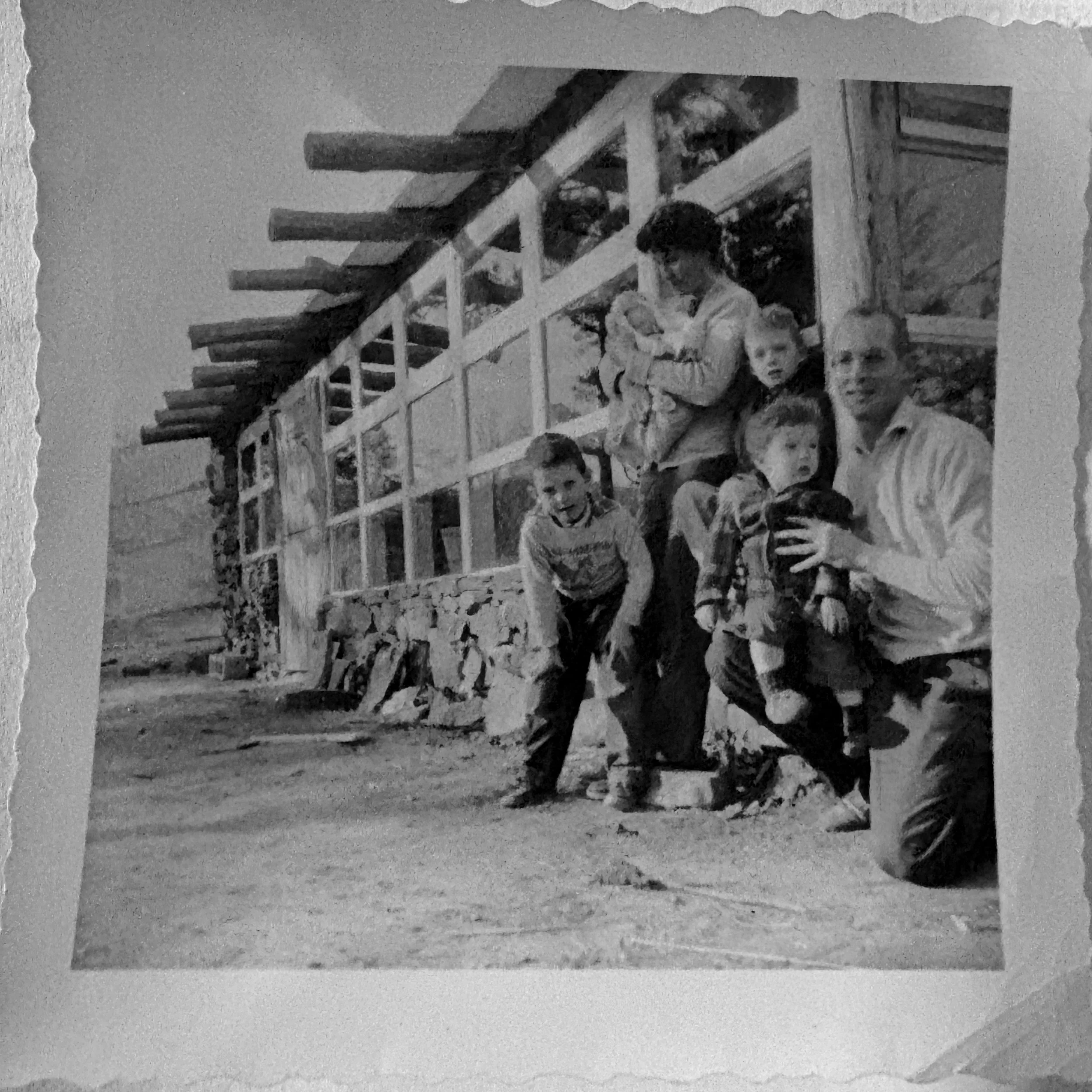
Few people realize that the story of Highland Lake Inn did not begin with hospitality. It began with goats. And rice cakes.
Long before Kerry Lindsey and his family transformed a rundown church camp into one of Western North Carolina's most distinctive destinations, they were quietly building one of the country's pioneering natural foods companies.

One cold December day in 1907 at the Socialist Party headquarters in Milwaukee, Lilian Steichen was just leaving a meeting about translating German literature into English for distribution. When she emerged, a thin young man named Carl was in the waiting room. The two were introduced and smitten; Carl asked her to dinner. She politely refused, but he persuaded her to give him her address as he said he wanted to share some of his writings with her.
And so, early in 1908, Carl Sandburg, 30, and Lilian Steichen, almost 25, began a correspondence that evolved from idealist discussions of philosophy, socialism, and poetry to more personal expressions of their thoughts and feelings for one another.

Over the course of his 101 years, George Sarros of East Flat Rock saw the world transformed by war, peace, tragedy, and triumph. A man of quiet humility and remarkable strength, he stands as one of the last living witnesses to D-Day, the momentous Allied invasion that changed the course of World War II. His legacy, however, extends far beyond that fateful day in June 1944. George’s story is one of family, service, love, and resilience during a long and remarkable life well-lived.
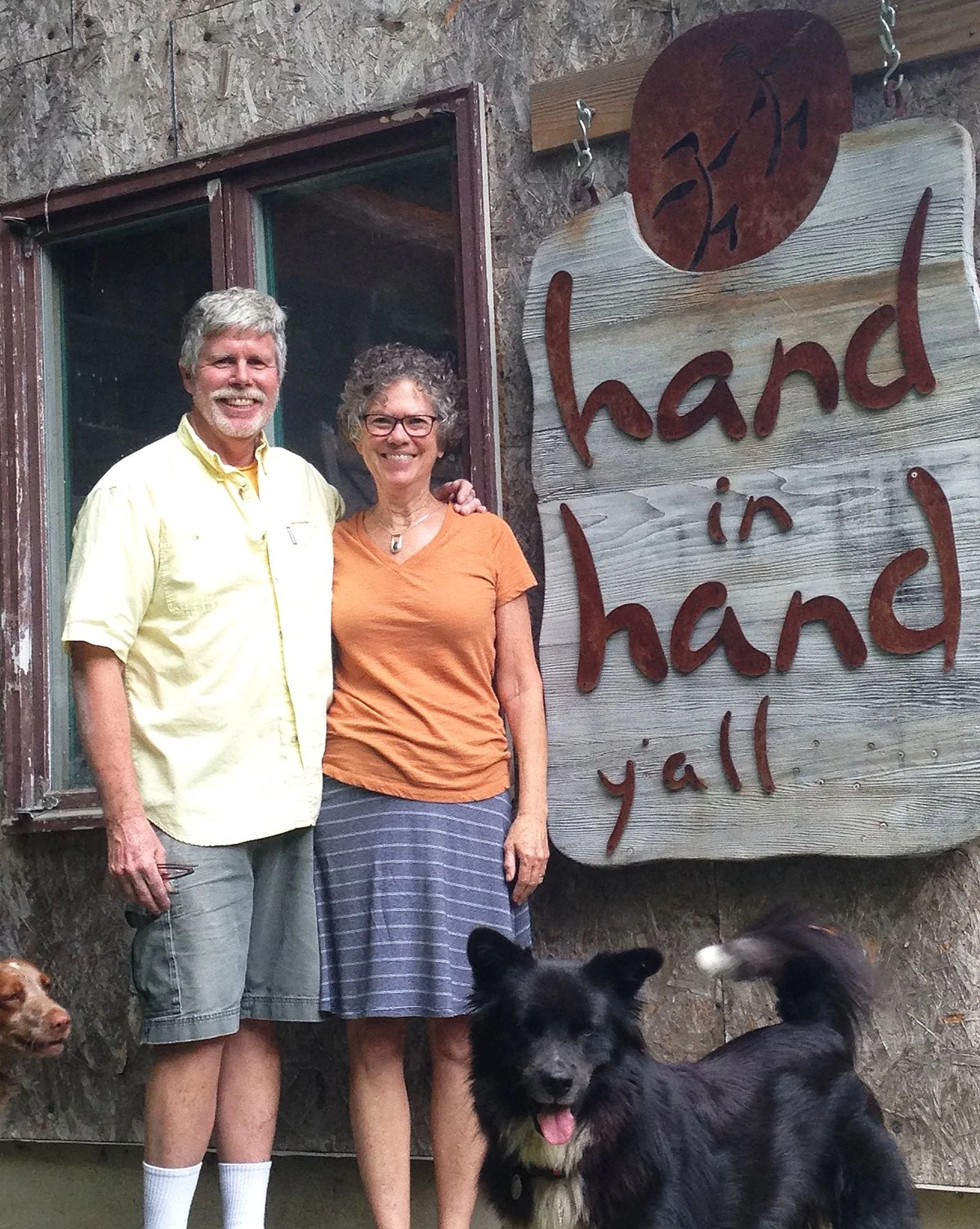
Nestled in the mountains of the Green River Valley near Zirconia, North Carolina, lies Sunburst Hollow, the beautiful mountain home and artistic sanctuary of David and Molly Sharp Voorhees. David, an accomplished potter, and Molly, an exquisite jewelry artist, have spent decades creating art inspired by the natural beauty of Western North Carolina.
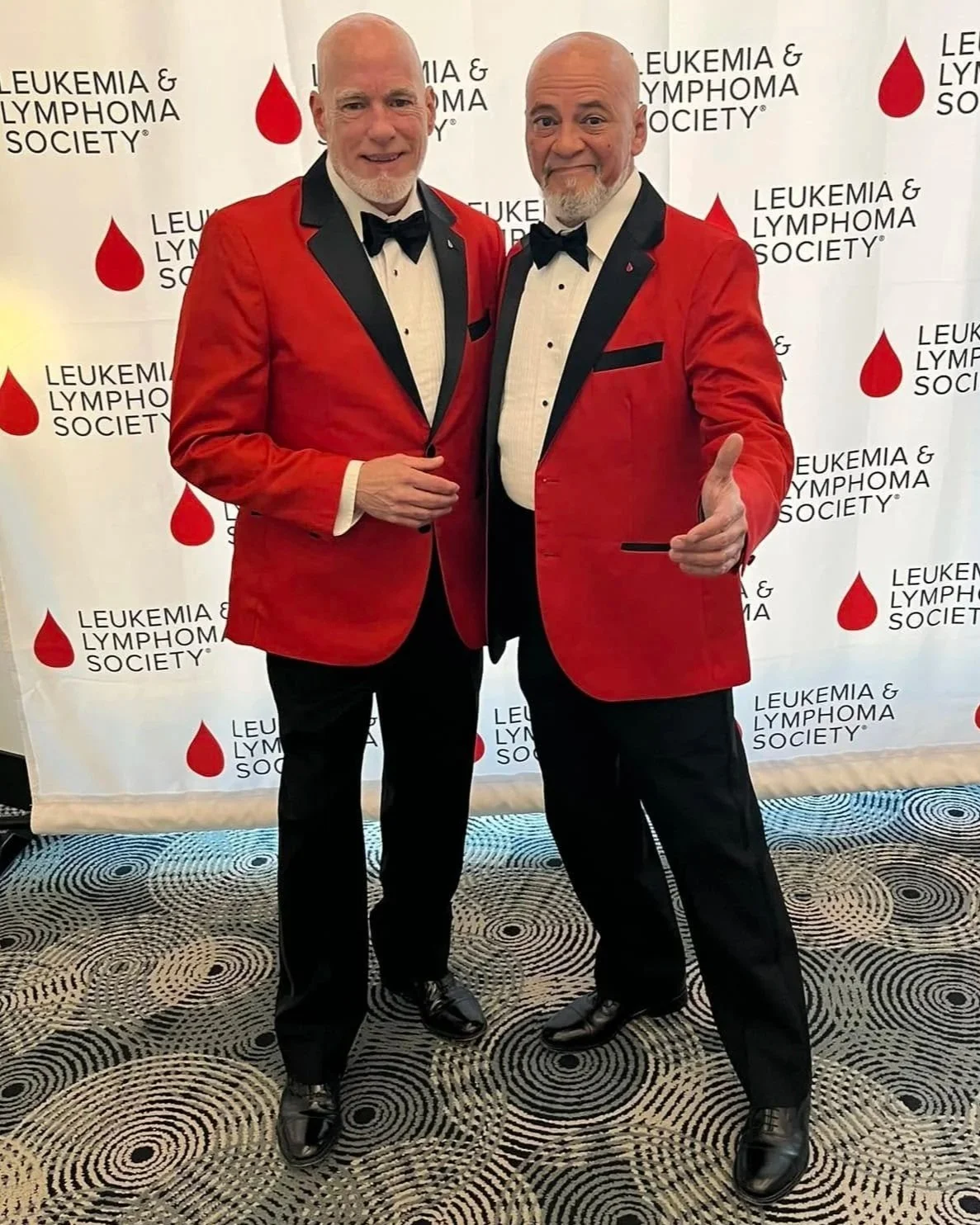
After more than twenty years at Flat Rock Playhouse, Dale “Bird” Bartlett was beginning to contemplate life beyond the theater. His partner, Damian “Duke” Domingue, meanwhile, was navigating a period marked by both personal loss and professional reflection. He increasingly found himself thinking seriously about what the next chapter might hold.
Amid those transitions, he kept returning to a simple piece of advice his father had offered near the end of his life: "Press on." So, he did. In 2012, Duke enrolled in auctioneer school. That decision ultimately led both Duke and Bird into a remarkable chapter of their life together.
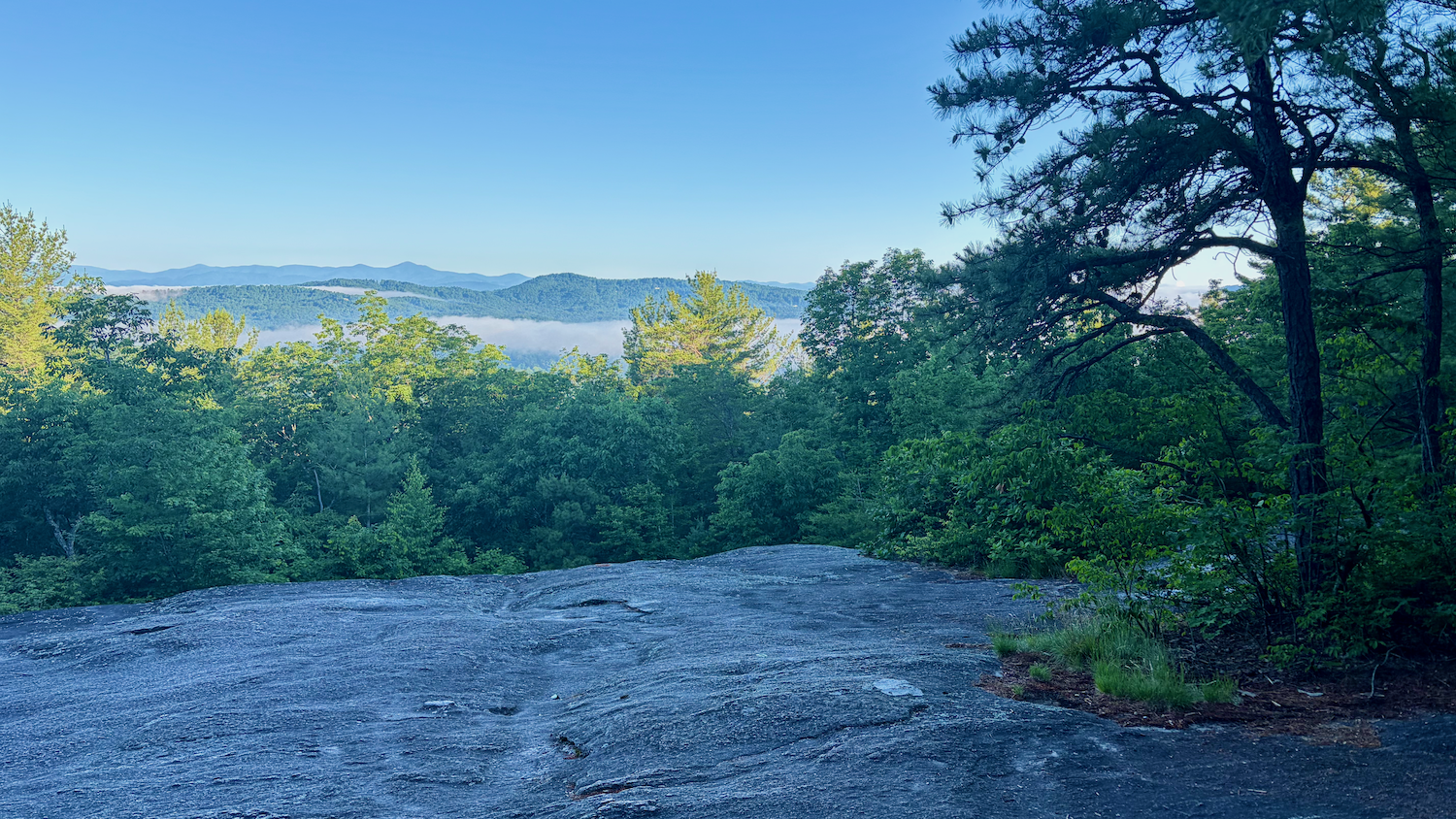
As I made my way up the mountain, memories flooded over my thoughts. Not in any particular order and not because I was intentionally taking inventory of my life. They simply arrived, one after another, as naturally as the sunlight slipping through the trees.
And somewhere between the parking lot and the summit, I realized I was not simply climbing a mountain. I was walking back through seventy years of blessings, mistakes, losses, friendships, and love.
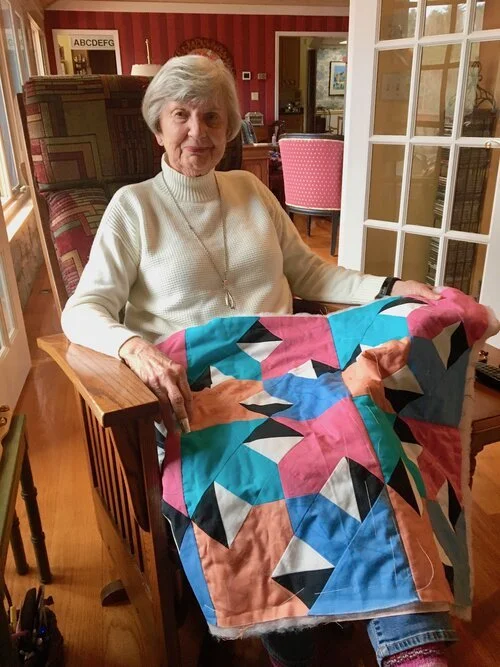
Georgia Bonesteel has created an extraordinary career woven from a life filled with resilience, determination, and a teacher’s passion to share her experience and knowledge. Given these qualities, it’s no surprise that this Flat Rock resident has fashioned a career as a television personality, prolific author, and been accorded the title of “Grande Dame of American Quilting.”
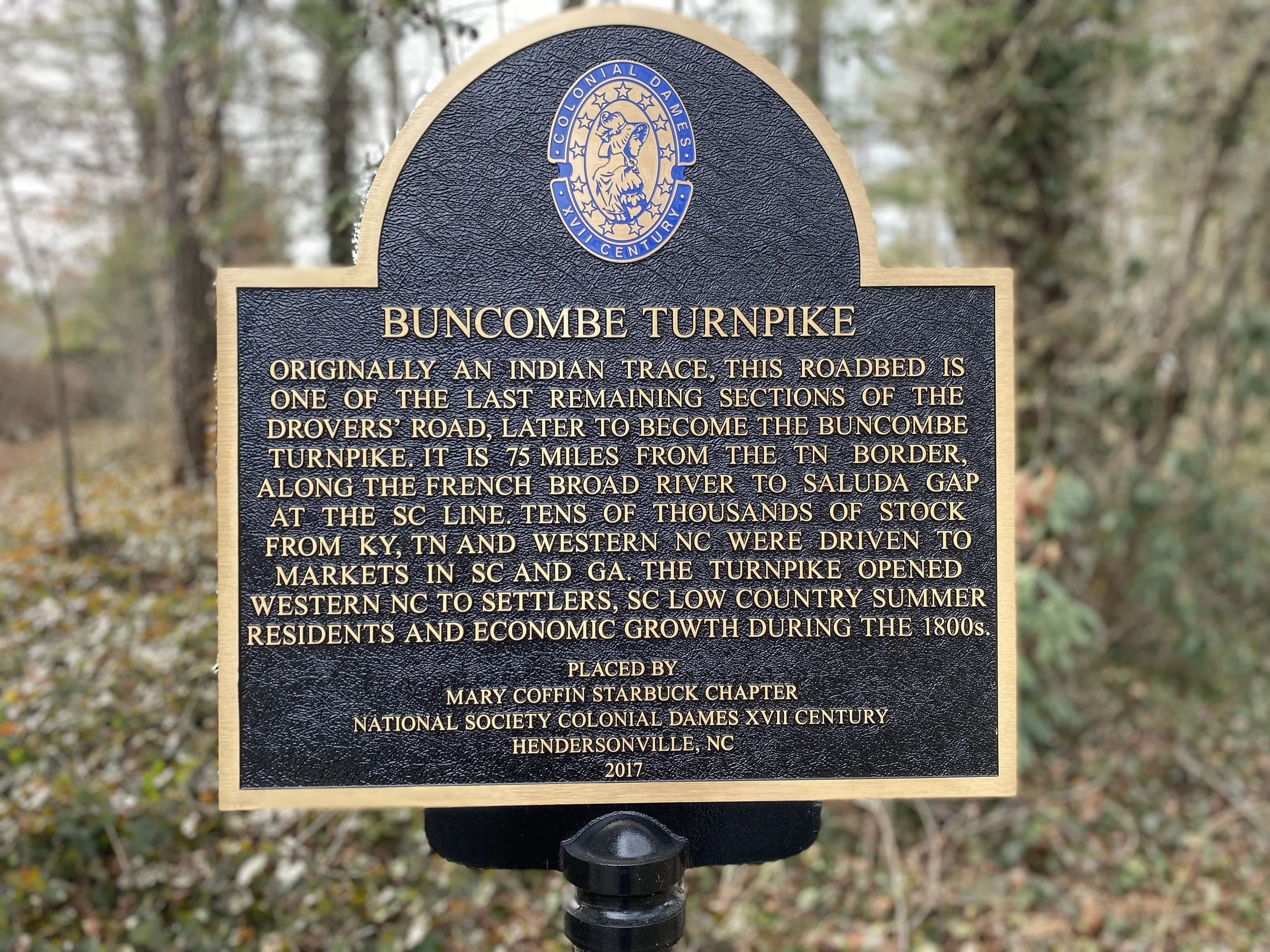
Long before formal roads existed in western North Carolina, Native American tribes established trails through the mountains that later became the foundation for many of the region’s transportation corridors. These routes generally followed river valleys, lightly forested ridgelines, shallow crossings, and mountain gaps that provided the most practical passage through rugged terrain.
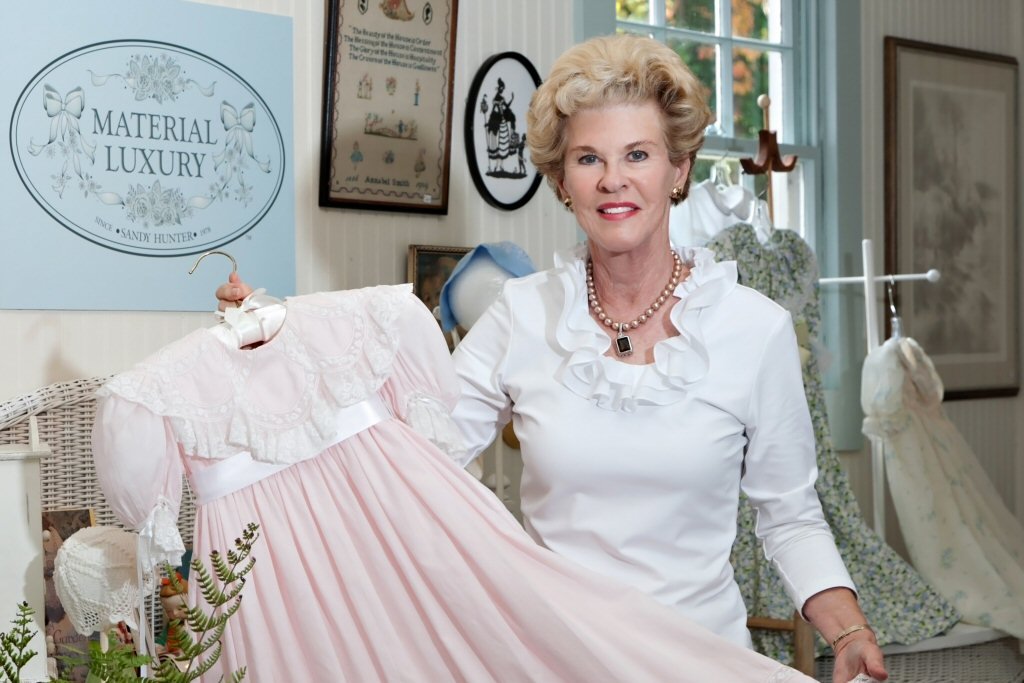
Sandy Hunter Jones was born with a needle and thread in her hand. At just three years old, her mother discovered her carefully mending Elfie, a beloved stuffed elephant.
No one knew where she had found a needle and thread, but it was clear she already understood how to use them.
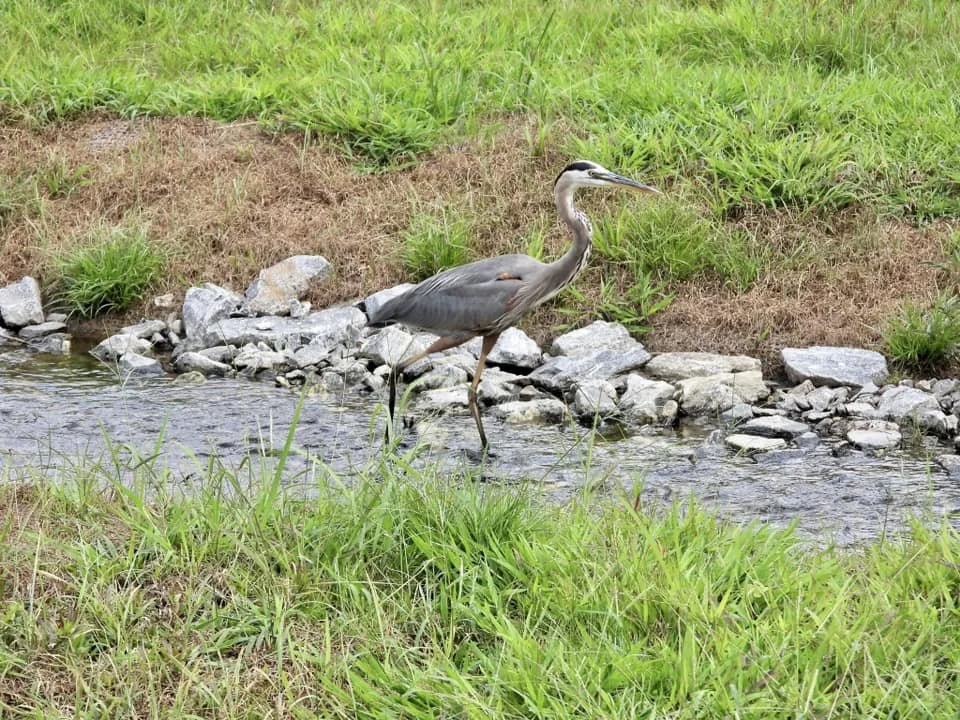
Long before walkers enjoyed the trails at The Park at Flat Rock and before golfers strolled rolling fairways, the land was something altogether different. Until the late 1700s, it was a broad mountain wetland shaped by the slow movement of water through bogs, creeks, and marshy lowlands at the edge of what we now know as King Creek. Dye Creek, sometimes called Dye Branch, wandered naturally through the soggy landscape, feeding a rich ecosystem that existed centuries before the first settlers arrived in Flat Rock.
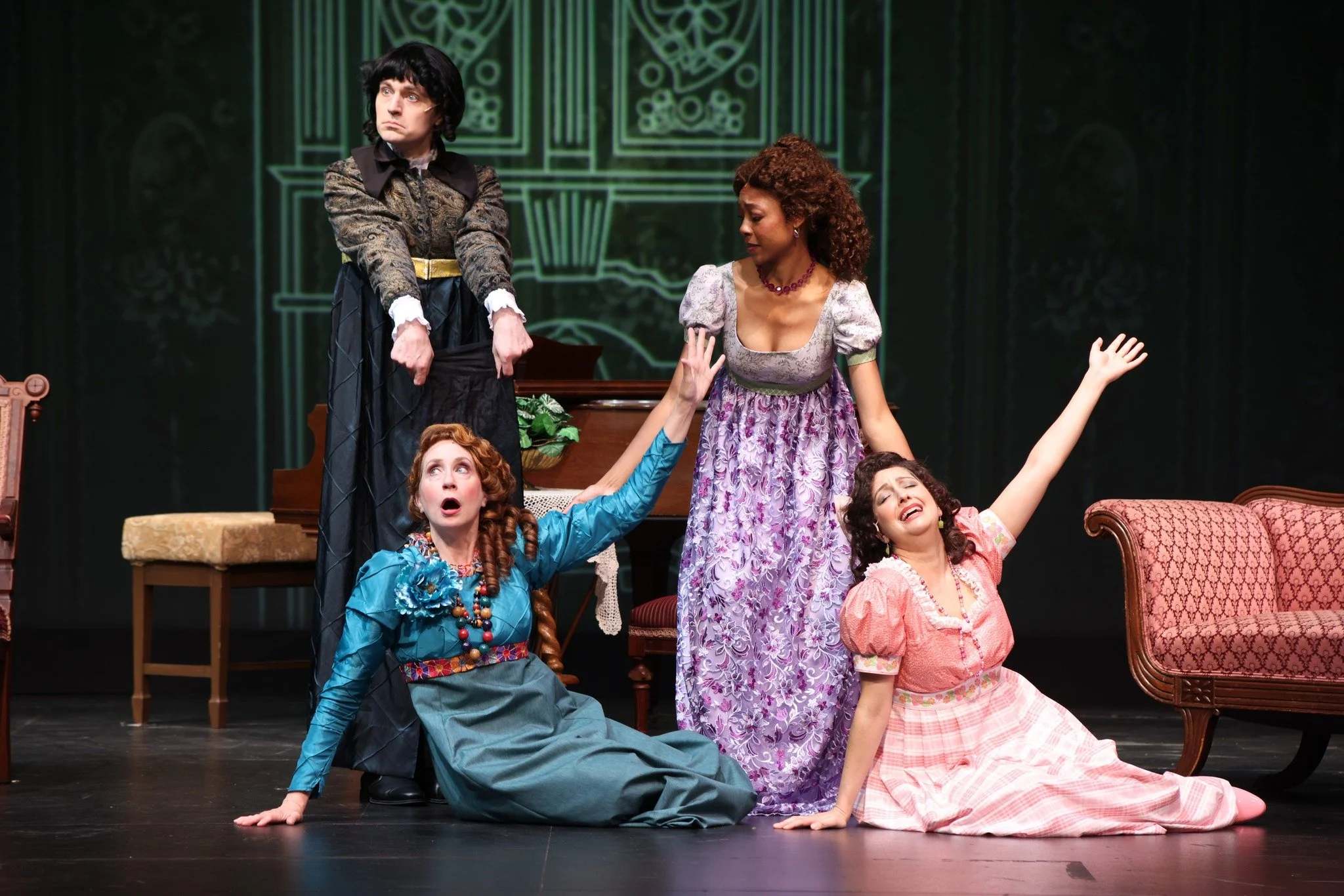
At Flat Rock Playhouse, a season is more than a schedule. It is a composition, with each production setting the tone for what follows. With Pride and Prejudice, that opening note is clear, lively, inviting, and full of life. It reflects what FRP does best, creating theatre that welcomes you in, surrounds you with story, and reminds you from the very first moment why live performance still matters.
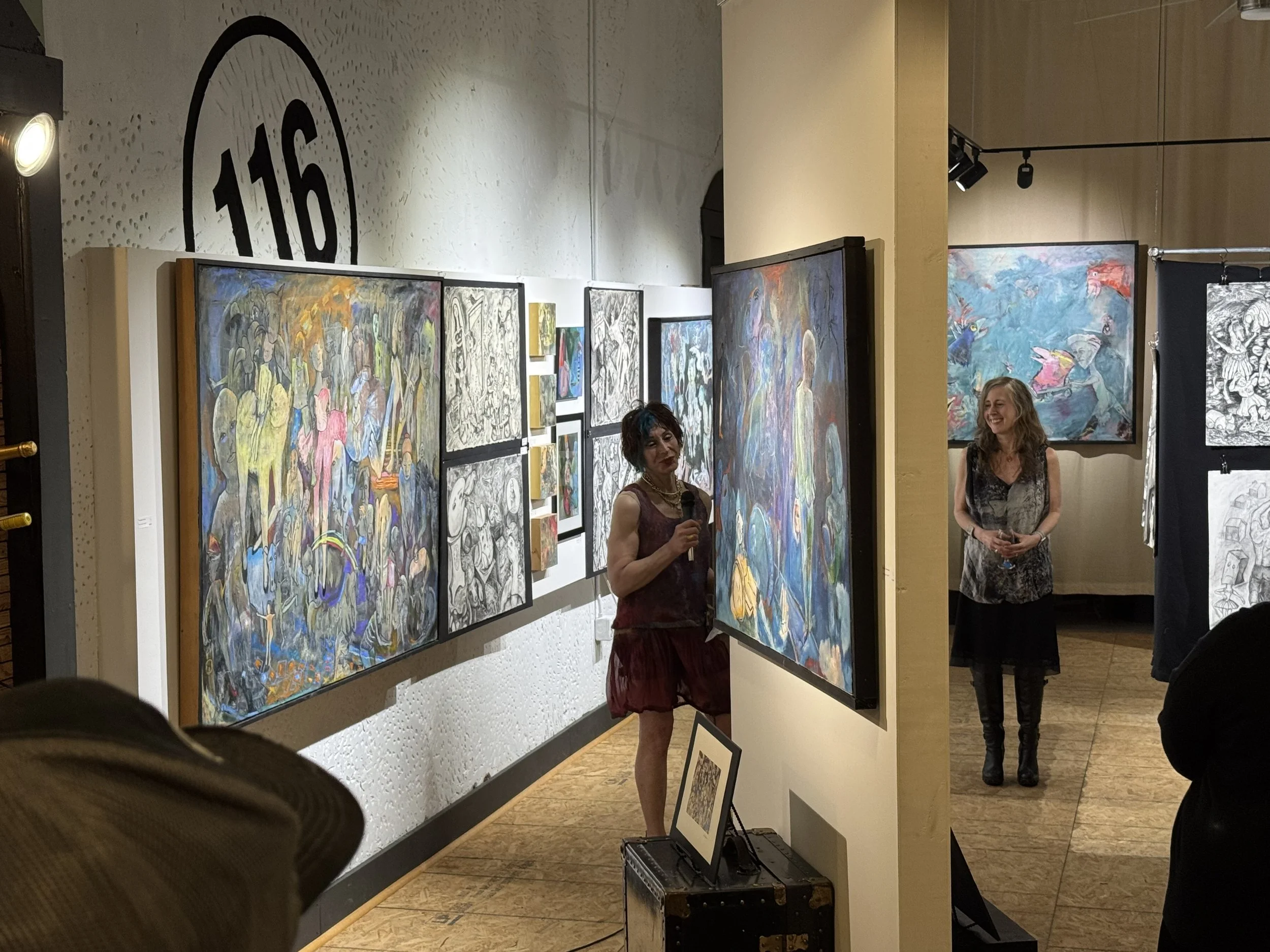
When Melanie and Daniel Hopkins opened Studio 116 on April 4, 2025, they weren’t simply launching an art gallery. The enterprising couple who arrived in East Flat Rock from California six years ago were continuing the long, evolving story of a historic East Flat Rock building.
Housed in the iconic Stepp-Walker building, a structure with more than a century of changing identities, Studio 116 represents both preservation and reinvention. After extensive renovations, the Hopkins transformed part of the lower level of the 10,00 square foot building into a working gallery space that one that now hums with creativity, conversation, and community connection.
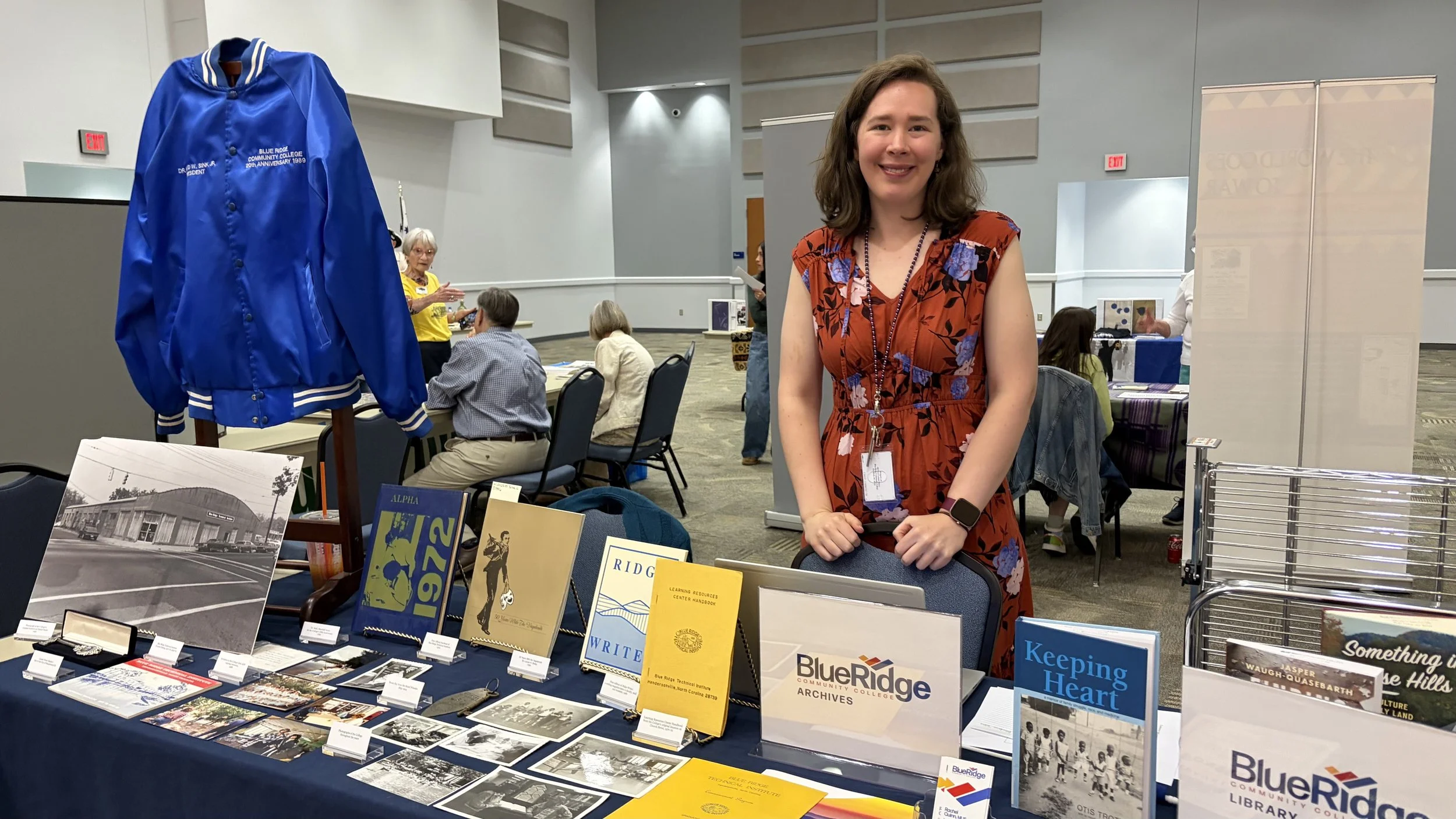
At the Local History Fair hosted by the BRCC Library earlier this week, visitors moved from one display to the next, picking up brochures, asking questions, and swapping stories. It quickly became clear this was more than a gathering of organizations. It was a room full of people deeply invested in preserving the history of Western North Carolina.
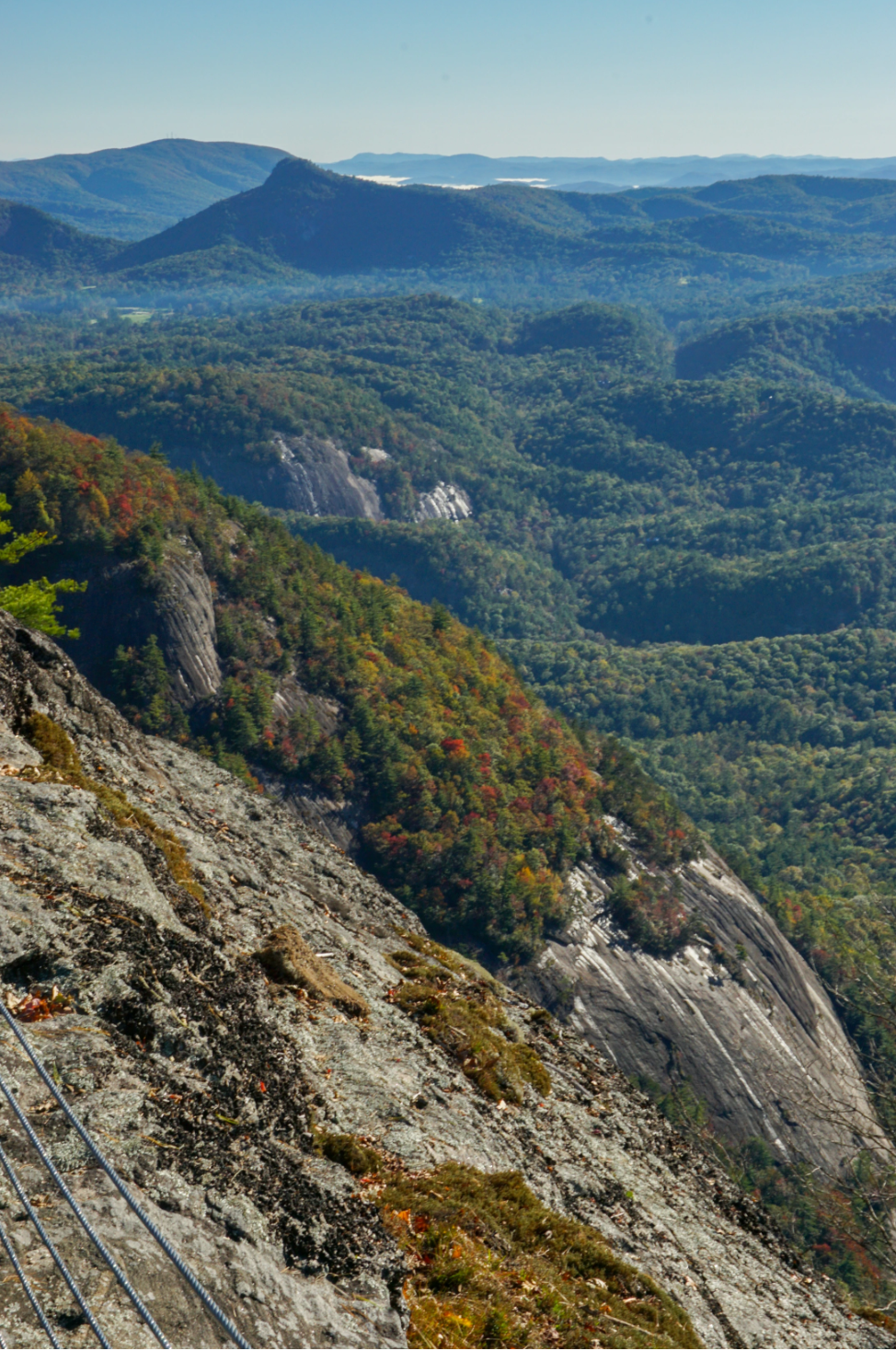
Driving east on Interstate 26 past Saluda, the road suddenly drops rapidly, beginning a steep descent “off the mountain.” The same sensation comes on U.S. 25 heading south toward Greenville - a long, winding descent that signals a transition from the higher Blue Ridge to the lower Piedmont.
This dramatic shift in elevation and landscape raises a straightforward question: What is this edge? What Is the Blue Ridge Escarpment?
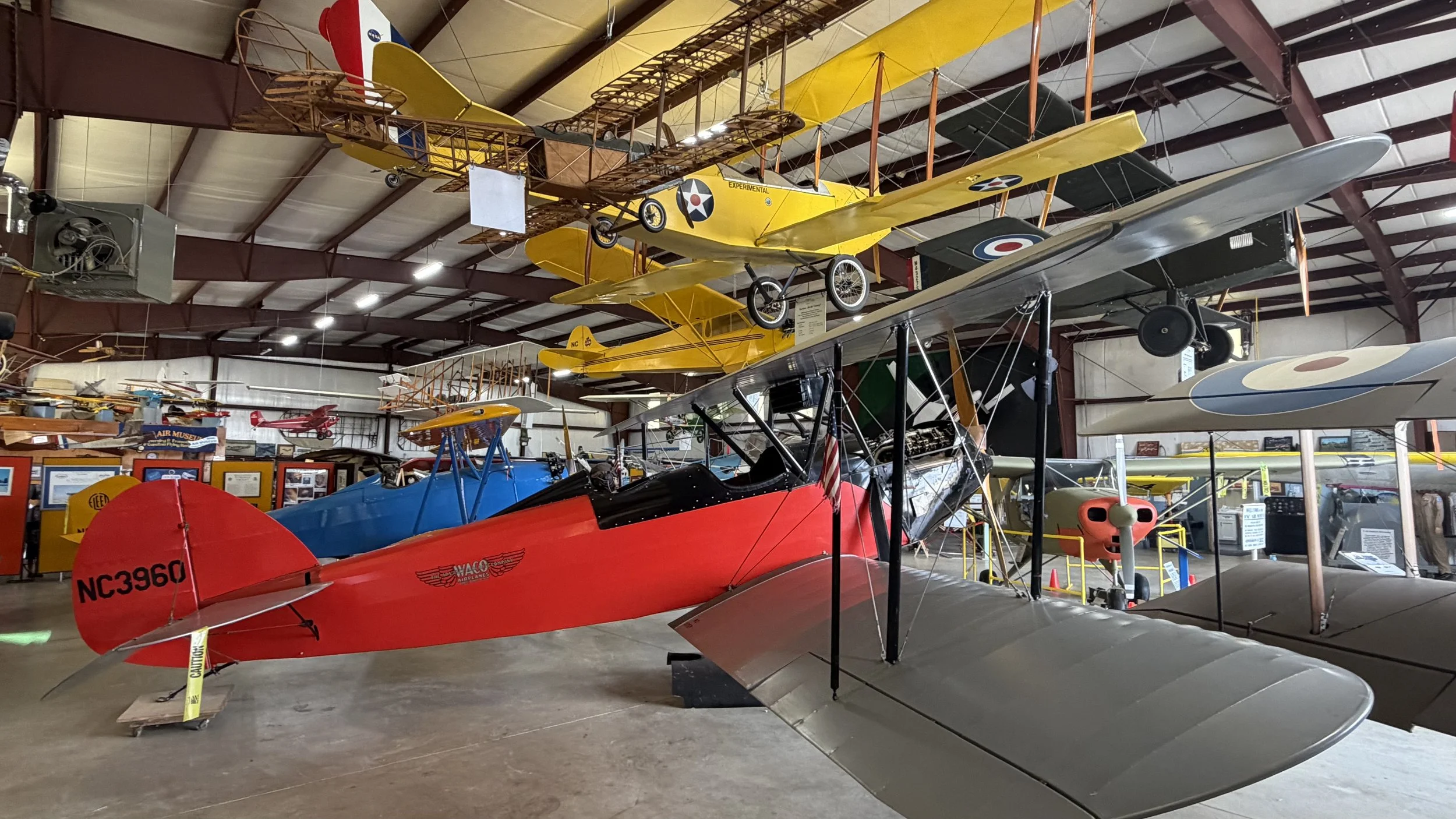
Several times a week, on my way to work at a local nonprofit, I pass a small, easy-to-miss sign at the corner of Shepherd Street and Brooklyn Avenue near the campus of Blue Ridge Community College. It simply reads: “WNC Air Museum.” For seven years, I’ve driven past it without a second thought.
Until this week. What I discovered iwas something far beyond anything I had imagined.
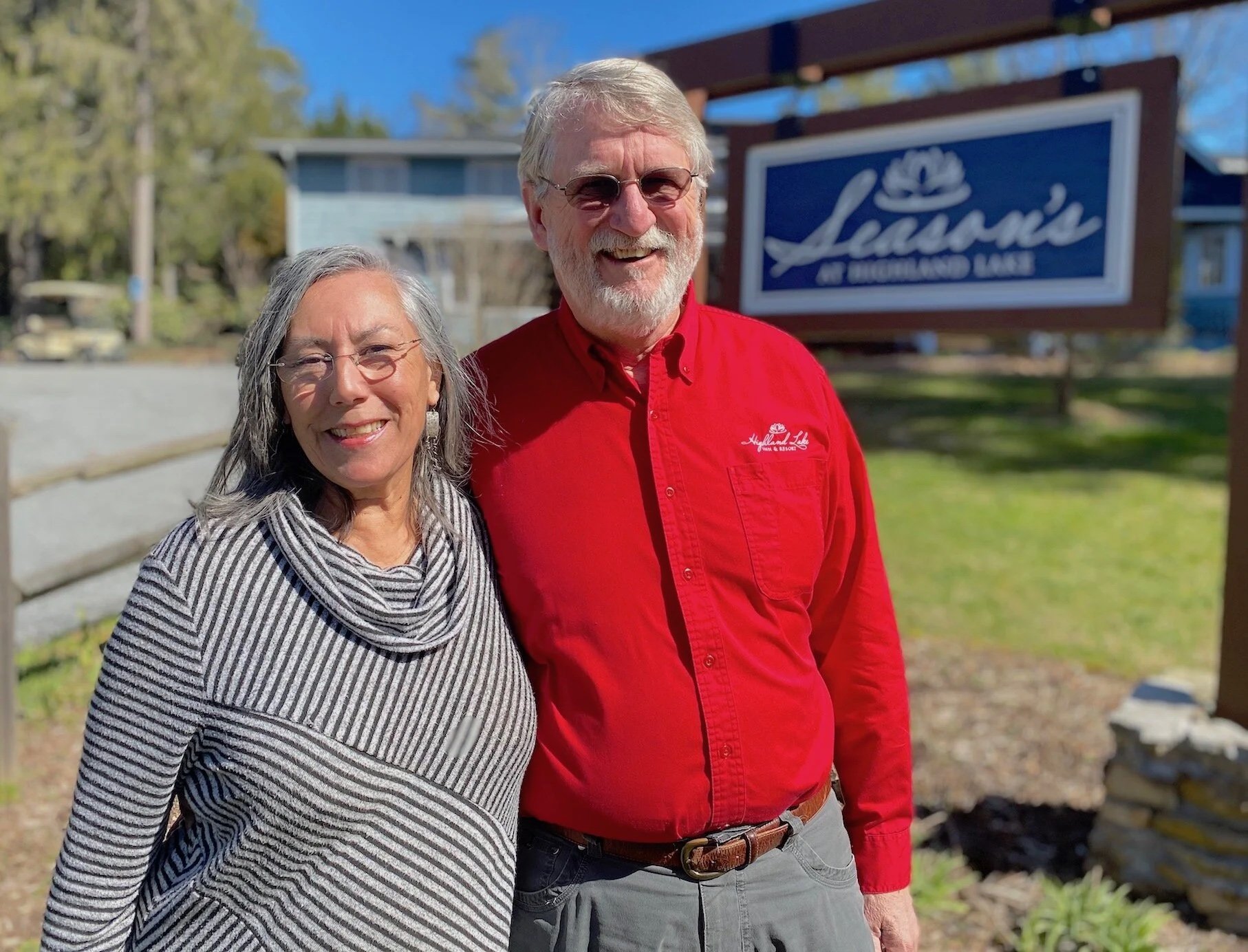
Twenty-seven years ago, Linda and Jack Grup delivered a daughter to her freshman year of college in Ann Arbor, packed up their life in Michigan, and headed for the mountains of Western North Carolina in pursuit of a dream. Today, that dream is a reality, and the Village of Flat Rock has been the primary beneficiary of their vision, professionalism, and commitment to creating excellence.
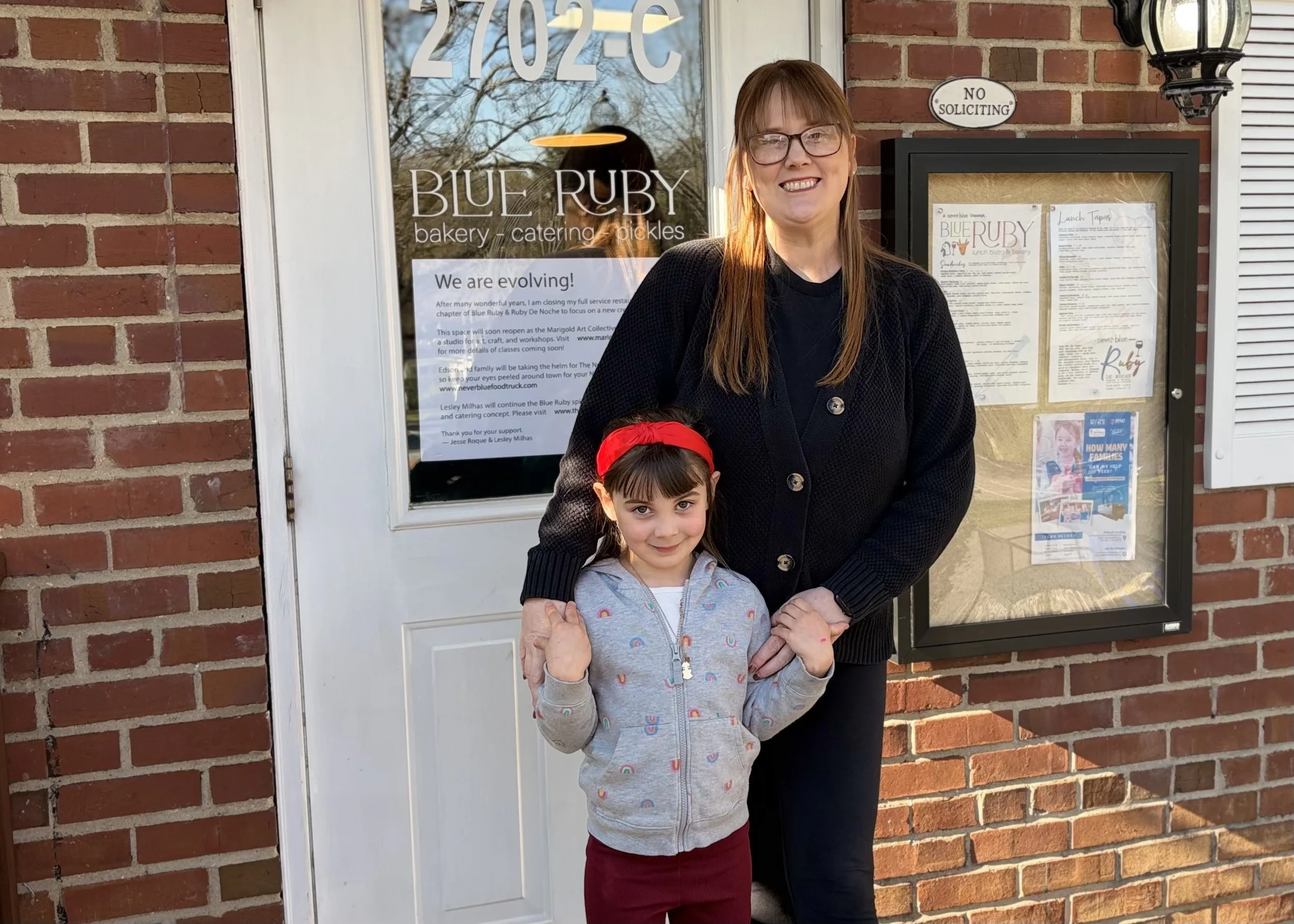
If you’ve spent any time at Ruby de Noche in Flat Rock over the past couple of years, you know it wasn’t just a place to eat. The cozy restaurant tucked away in the back of Flat Rock Square was a place to gather, linger, and feel at home.
Which is exactly why the news of its transition from a full-service, dine-in restaurant to a more flexible mix of meal delivery, catering, and community events might feel a little bittersweet.
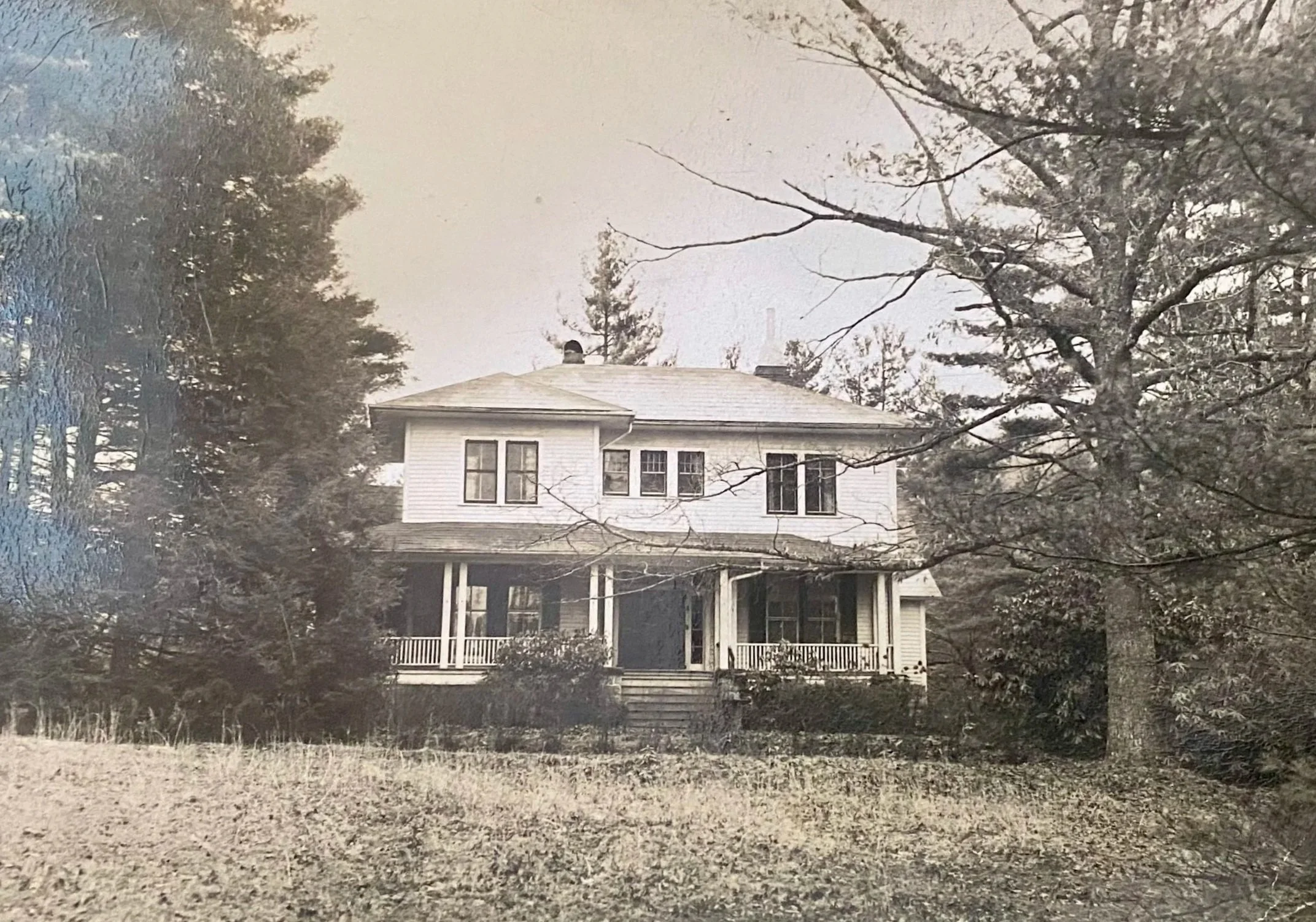
Nestled at the foot of Glassy Mountain, hidden beyond a rhododendron-flanked drive and shaded by towering pines, stands Rhododendron—a gracious, weathered summer house that has been the heart of the Rhodes and Simpson families for 75 years. Owned today by five grandchildren of May Bond Screven Simpson Rhodes, the home has remained largely unchanged since she purchased it at auction in 1950. To step inside is to be transported to another era, another pace of life, and another definition of home.
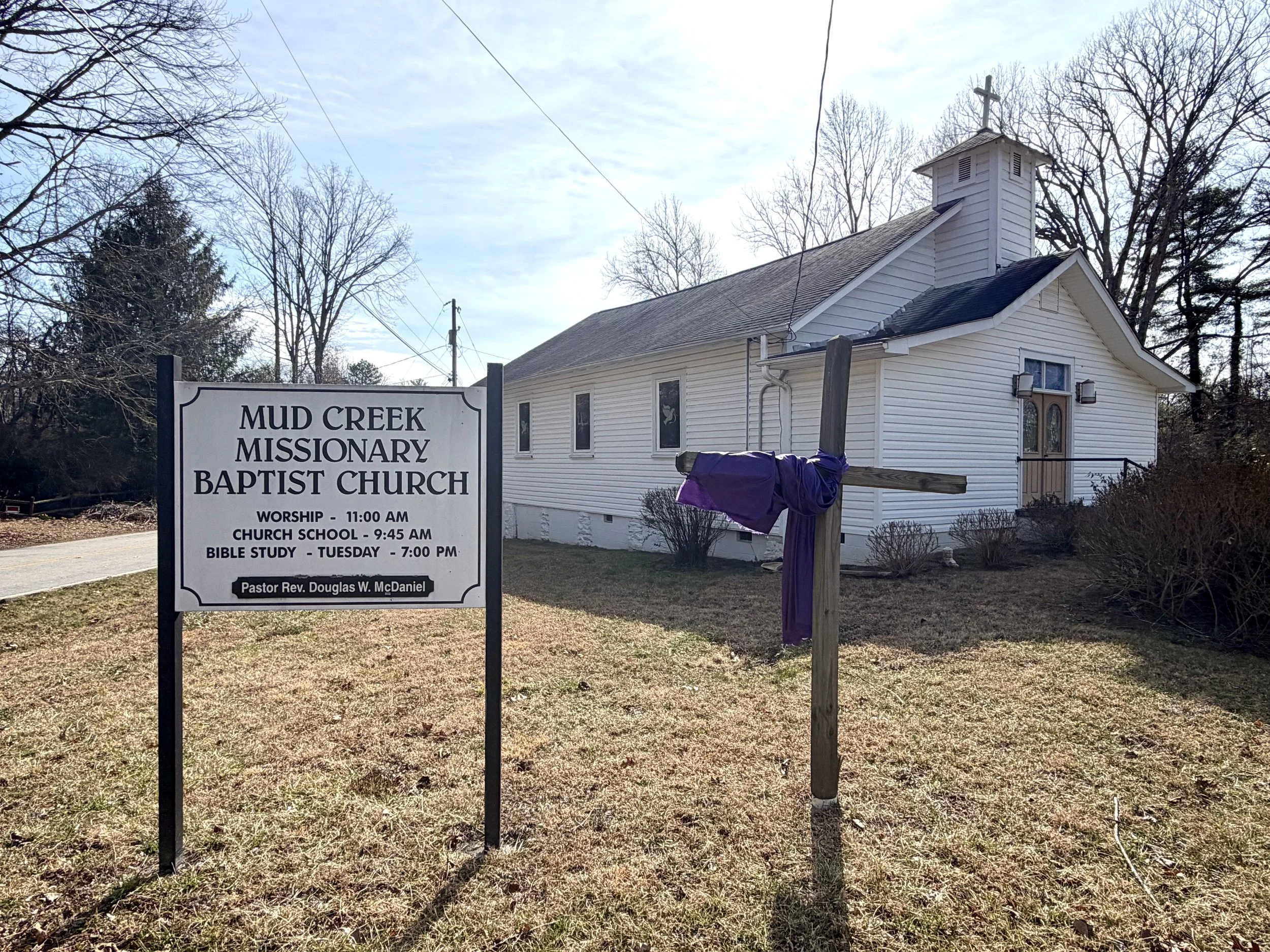
On quiet mornings in East Flat Rock, the light settles softly over Mine Gap and Roper Roads. If you did not know better, you might pass the small white church on the corner without realizing that it holds within its walls nearly 160 years of history and memory.
In 1967, David Butler spent a long winter helping his father plow the ground for 2500 apple trees on Mt. McAlpine, which overlooks the southern end of what is now the Village of Flat Rock.
Little did that teenage boy know that he was actually planting the seeds for his own very successful and rewarding life as the owner and operator of one of Henderson County’s most iconic apple orchards.