A Home Called Rhododendron
Rhododendron
75 Years of Family, Memory, and Belonging in Flat Rock
-
Rhododendron
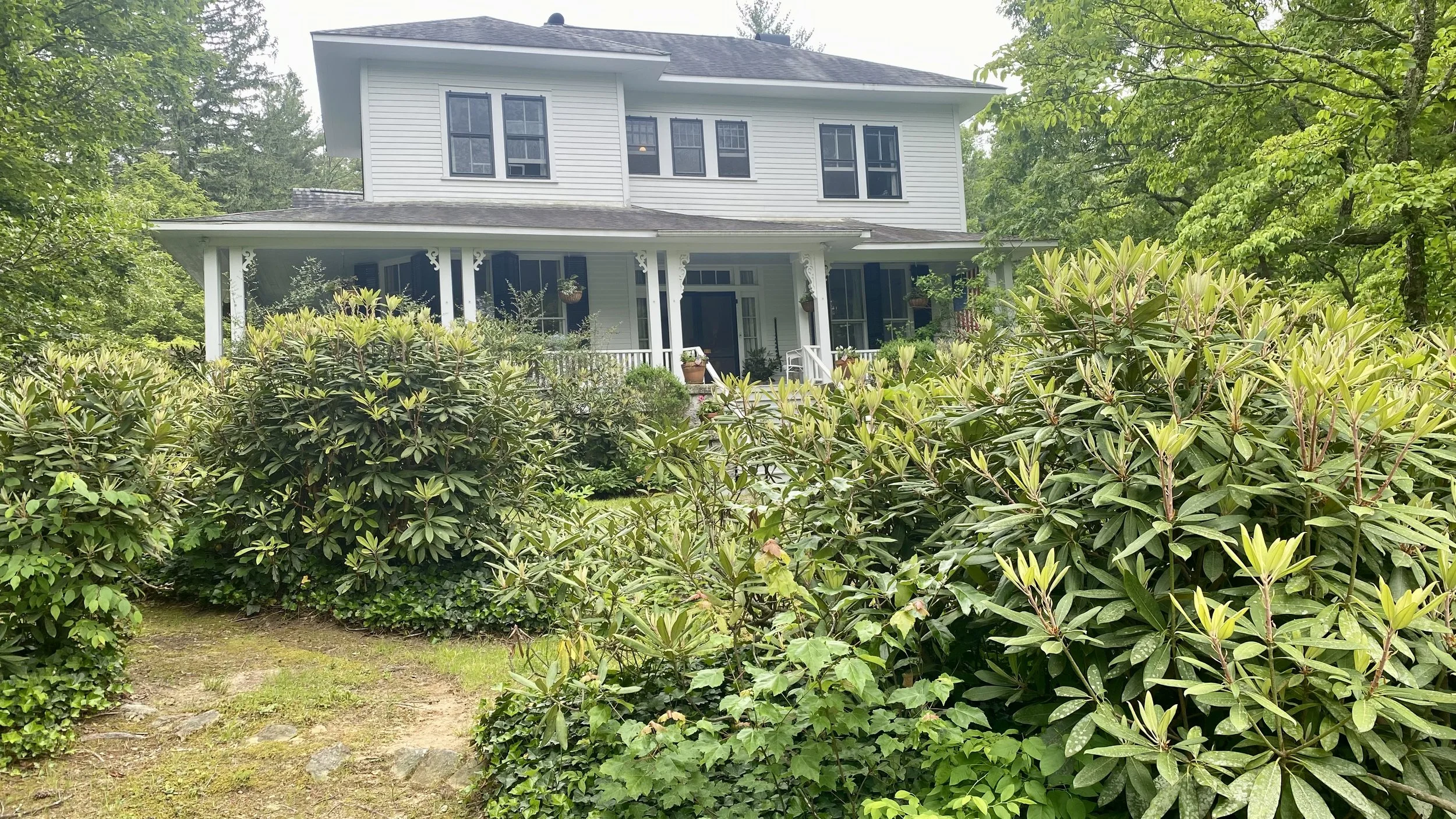
Nestled at the foot of Glassy Mountain, hidden beyond a rhododendron-flanked drive and shaded by towering pines, stands Rhododendron—a gracious, weathered summer house that has been the heart of the Rhodes and Simpson families for 75 years. Owned today by five grandchildren of May Bond Screven Simpson Rhodes, the home has remained largely unchanged since she purchased it at auction in 1950. To step inside is to be transported to another era, another pace of life, and another definition of home.
From Woodedge to Rhododendron
The story of Rhododendron begins long before the Simpsons arrived. In 1847, William Rivers Maxwell, a rice planter from Georgetown, South Carolina, purchased 115 acres at the base of Glassy Mountain and built a home he called Woodedge. It was the first substantial structure on the property—impressive but, as one contemporary observer wrote, “too high and windy,” with water hauled by bucket and the garden “half a mile off at the foot of the hill.”
In 1859, Maxwell sold the property to William Henry Cuthbert of Beaufort, South Carolina. Cuthbert raised a large family there before the ruin of the Civil War forced him to sell. The land passed to Mortimer Glover and then Matilda Fowles in the 1870s. By 1890, the property was in the hands of General Rudolph Septimus Siegling, a distinguished Charleston lawyer, legislator, and Confederate veteran. Siegling, who had been gravely wounded at the Second Battle of Bull Run and later served as a brigadier general in the South Carolina militia, also owned nearby Saluda Cottages.
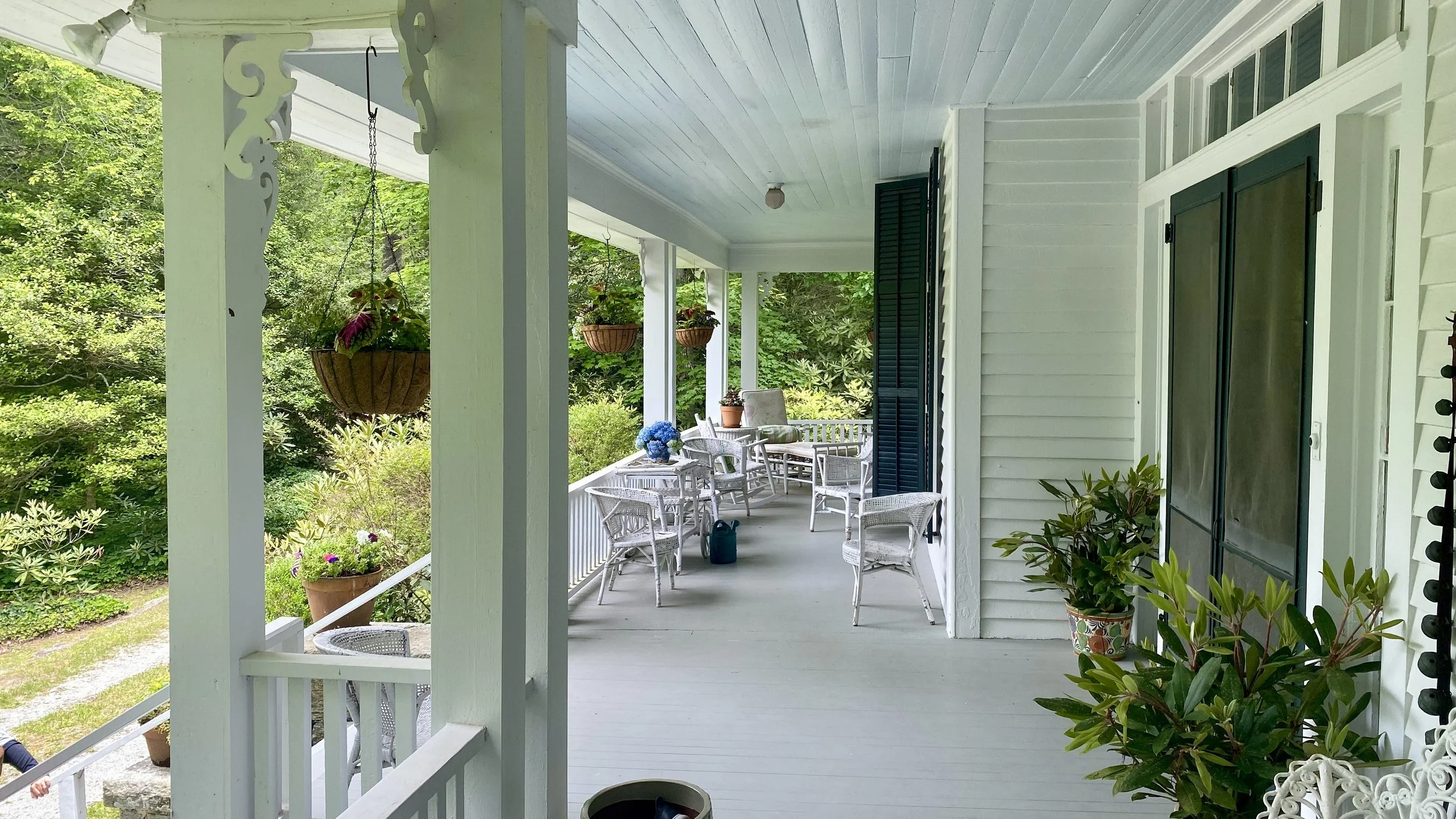
It was Siegling who constructed the home that still stands today. A classic example of late Queen Anne architecture, the two-story residence features a wraparound porch, projecting bays, carved rafter tails, and a host of charming asymmetries. Atop a knoll on a knifepoint ridge above Little River Road, the house was modestly expanded and adapted over the years, but its essential form remains intact. After Siegling’s death, the property passed to Robert Tucker, who made minor renovations around 1915, then to Robert Cleveland in 1925. By the time it was auctioned in 1950, the estate had been reduced to 9.5 acres and included a main house and guest cottage.
A Name and a New Chapter
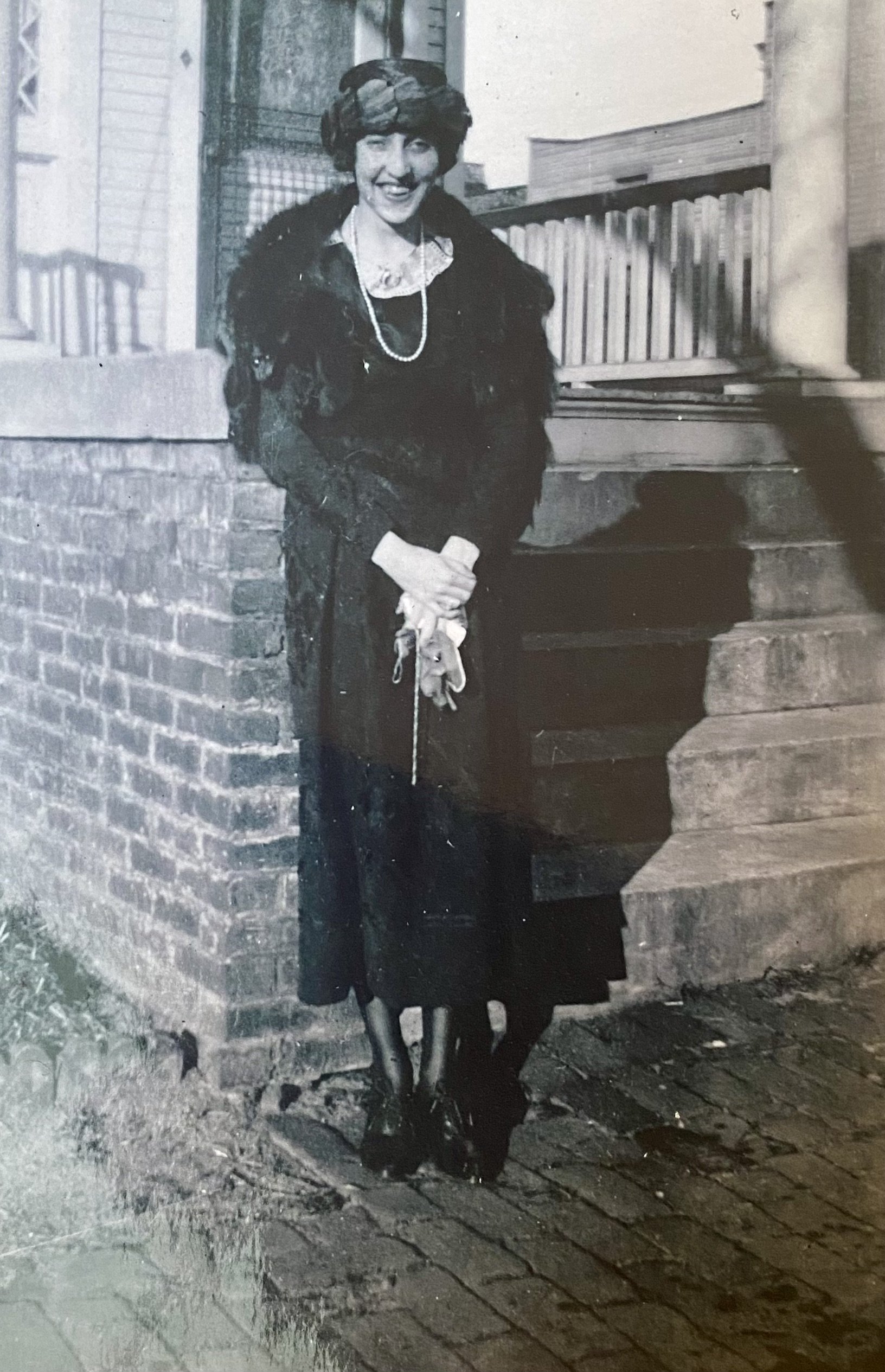
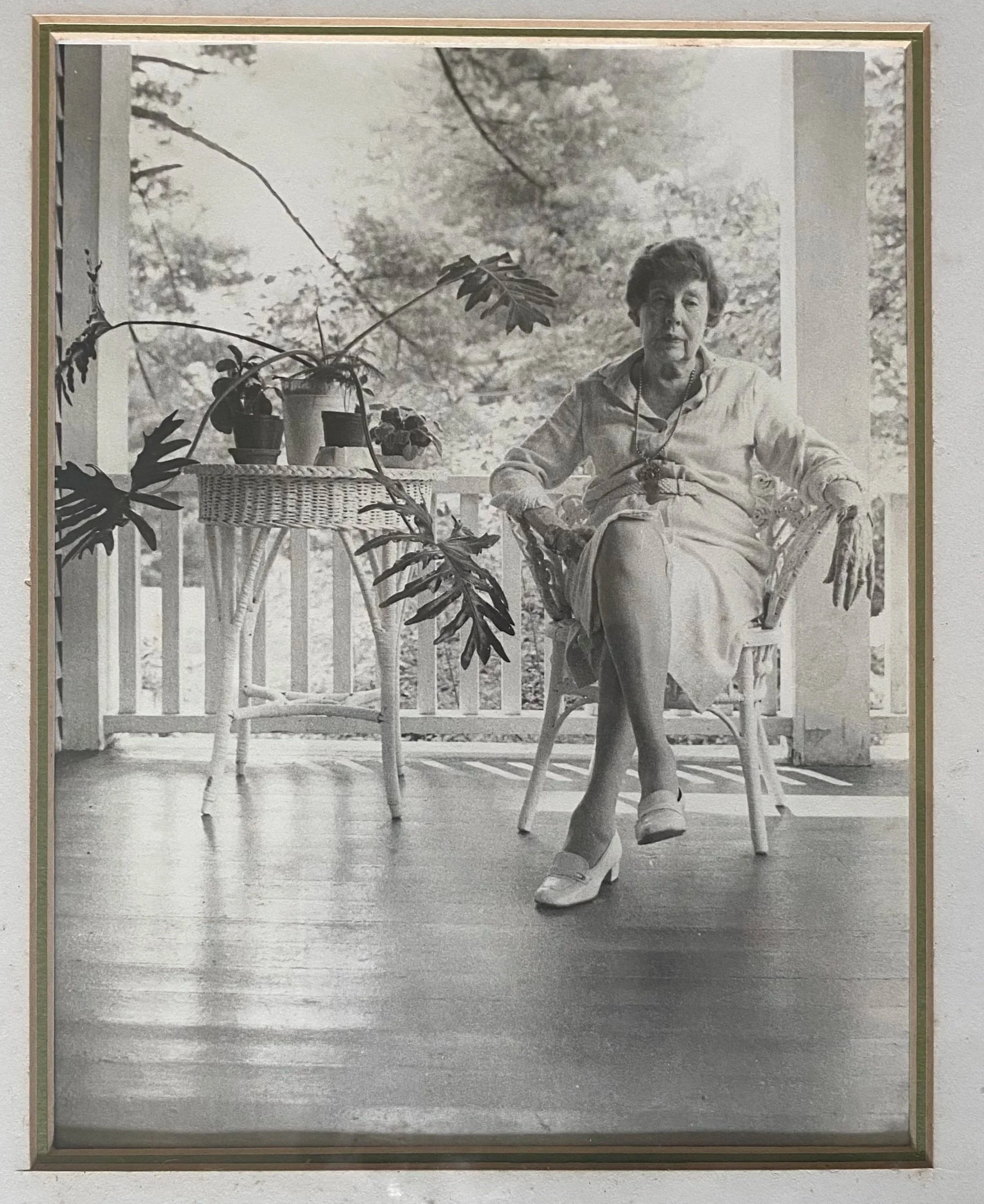
May Bond Screven Simpson Rhodes in Columbia
That year, May Bond Screven Simpson Rhodes of Savannah, Georgia and Columbia, South Carolina, became the winning bidder. The house became her second Flat Rock residence and a seasonal escape for her children and, eventually, her grandchildren. Seventy-five years later, Rhododendron remains a shared retreat for five of those grandchildren, who have preserved it as much out of reverence as practicality.
May Bond Rhodes had been summering in Henderson County long before she bought Rhododendron. Beginning in the 1910s, she and her extended family joined her uncle, Dr. Thomas P. Bond, who had come to Hendersonville for the fresh mountain air while trying to recover from Tuberculosis. The family purchased a cottage on Oakland Street across from Hendersonville High School, where Tom would later die.
In the late 1920s, the family purchased a country summer cottage on Howard Gap Road near Upward Road, affectionately called “Screven Hills”. Summers were spent exploring the Green River, building swimming holes, and winning the care and affection of the neighbors up and down the road who supplied them with fresh milk, eggs, and vegetables, as well as helping to make minor necessary repairs and assistance in keeping the ever-faltering old Delco Generator running.
Widowed twice, May Bond raised her family through the Great Depression and became, in her grandson Jim Simpson’s words, “an anchor and a force.” She was well-connected socially, known for her vibrant design sense and independence. She had an eye for quality and a sentiment for family heirloom furnishings. The indoor/outdoor chaise lounge, designed for tuberculosis recovery and purchased for her Uncle Tom, made the trip to Screven Hills and, for the last 75 years, has been placed at the breezy corner of Rhododendron’s front porch. “It is the most sought-after place in the house to relax,” says Jim. Her worldliness showed in her furnishings, which included Chinese export ware, antique maps, and heirloom portraits. Though she was a deeply practical woman, she had a romantic streak, and she fell in love with the wooded hillsides and winding paths of Flat Rock.
In her 40s, May Bond met and married George Milton Rhodes. It was during a visit to Screven Hills, out for an afternoon drive, that she and George happened upon a property auction on Little River Road. The mountain acreage behind the house, along with the large barn and guest house on six acres, had been sold. Approximately ten acres and the main house were up next. George encouraged May Bond to bid, knowing they would enjoy a larger place in Flat Rock, so she did, and she “won”. Unfortunately, that winter George died of a heart attack and never spent a night in their new home. “That’s kind of how the house got its name,” explains May Bond’s granddaughter, Mary. “It’s a play on his name, Rhodes.” The newly christened Rhododendron became a quiet tribute to both the native plant that abounds on the property and to Mr. Rhodes.
Voices from Rhododendron: Memories of a Family Home
Today, the house called Rhododendron still stands shaded by pine trees at the foot of Glassy Mountain in Flat Rock. To outsiders, it may seem like just another summer house, but to the Simpson family, it’s something else entirely—a quiet monument to resilience, tradition, and deep-rooted love. The house is now owned by five of May Bond’s grandchildren - Jim, Mary, Claudia, Jeanie, and Robby - who are the children of her son, Colonel William “Bill” Simpson. A sixth Simpson sibling, Screven, passed away in 2022.
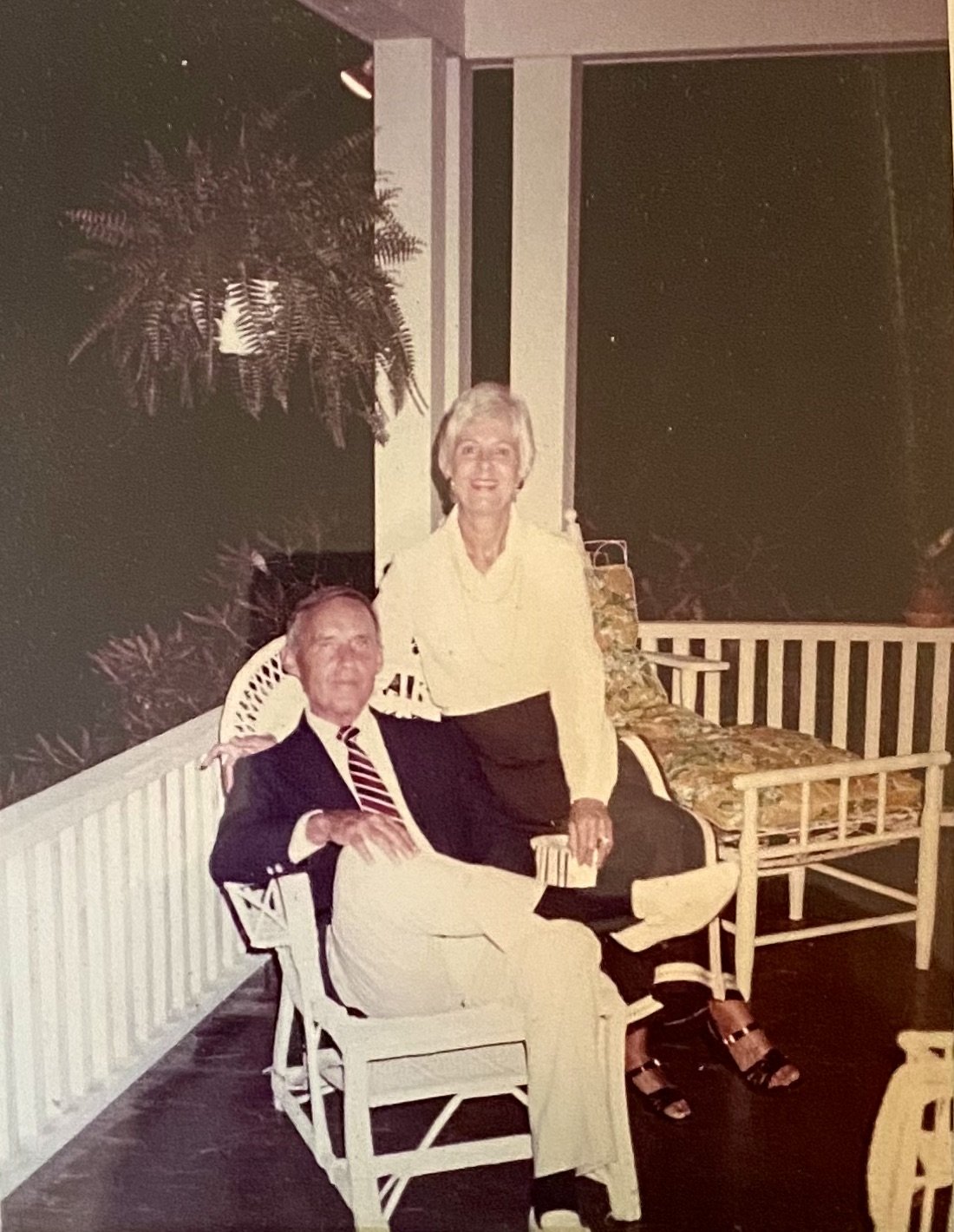
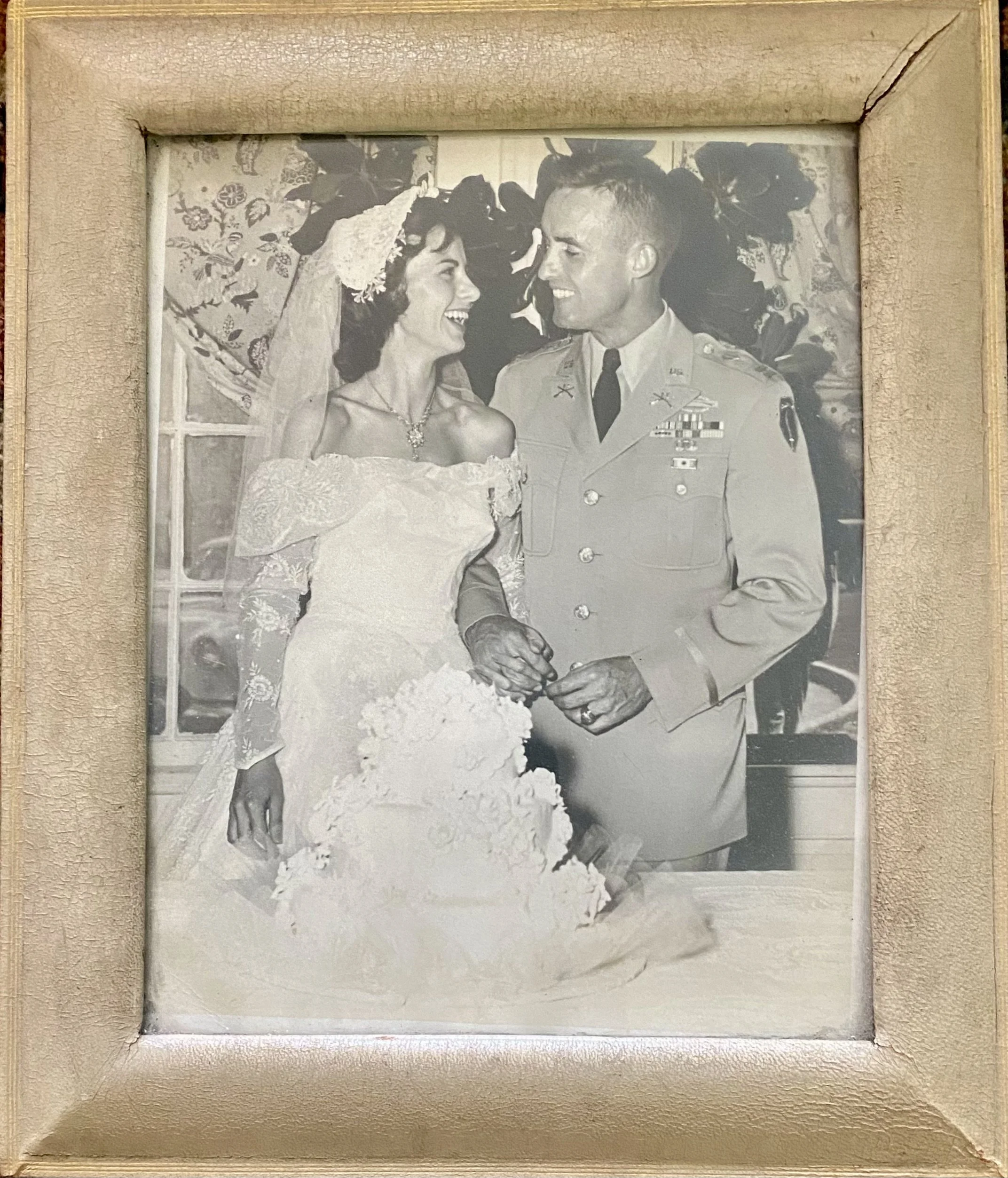
Col. William Craton Screven Simpson and Mary Cecilia McBroom Simpson on the front porch of Rhododendron
“We were a military family, and we grew up traveling all over,” says Jim. “Every two or three years, we were moving somewhere. But this place was our home base. Every summer we were here.”
“This was our dad's happy place,” Robby adds. “This is the only place he'd come and just completely relax.”
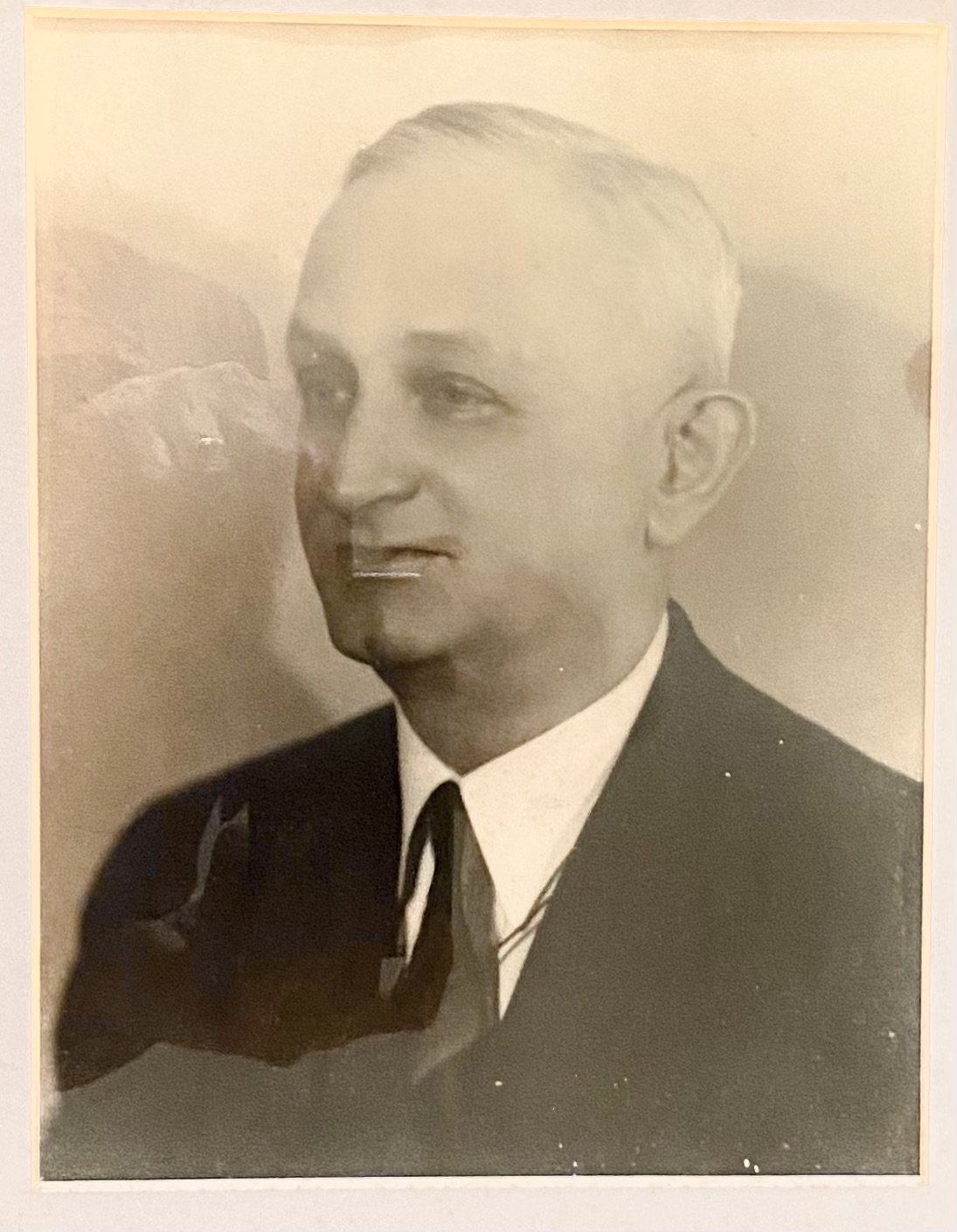
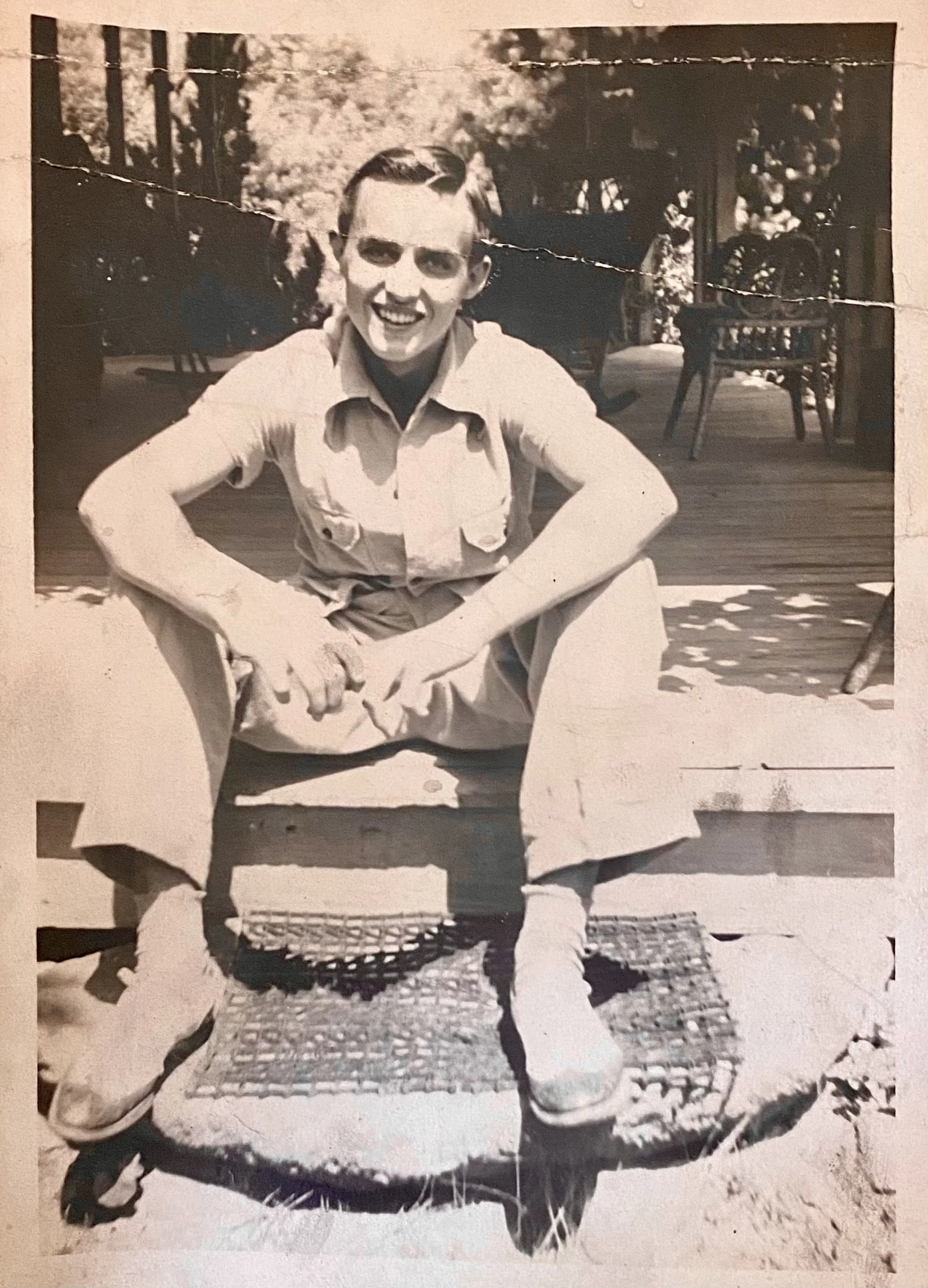
Colonel William Craton Screven Simpson had grown up fast. His father, William “Billy” Simpson, from Rutherfordton, NC, was in the wholesale grocery business, traveled constantly, and later opened a cafeteria in Columbia. He got caught up in the depression, struggled financially, and unfortunately, caught pneumonia and died. “Our Dad didn’t have a father after he was 10,” Jim explains. “So it was important to him to be there for us. He was our grounding force. It was also important for him to be around family - to have a place to come together and enjoy, often with his sisters and their families as well. Rhododendron has always been our family gathering place.”
That gathering place was first claimed by their grandmother, May Bond Screven Simpson Rhodes—“Nannie” to her grandchildren. She had survived more than her share of life’s challenges. “Nannie was a widow at 31 or 32, and that was in the 1930s,” recalls Mary. “Nannie was the matriarch. She was pretty driven. I admired her because she was a good businessperson. She had to survive through the Depression and raise three kids. She had a house that she and Billy built in Columbia that was brand new and in a nice neighborhood. When they couldn’t afford to stay there, they rented out their house and rented apartments in Columbia and around.”
Nannie also figured out a way to keep Ruth, who helped raise the children, did all the domestic chores, and cooked. Nannie never learned to cook. She also started her own business, a dress shop in Columbia. She could crochet and knit and had worked in the fashion industry in New York City (where she met and eloped with Billy). When she had her shop, she traveled to New York to purchase inventory and could hold her own when haggling and negotiating with the garment district merchants. She would then supplement those purchases with creations of her own.
Among other things, Nannie had been very active in the League of Women Voters and Historic Preservation. She purchased and restored a 1820s Robert Mills-designed home in an effort to keep it from being demolished for a modern commercial building.
Flat Rock Summers
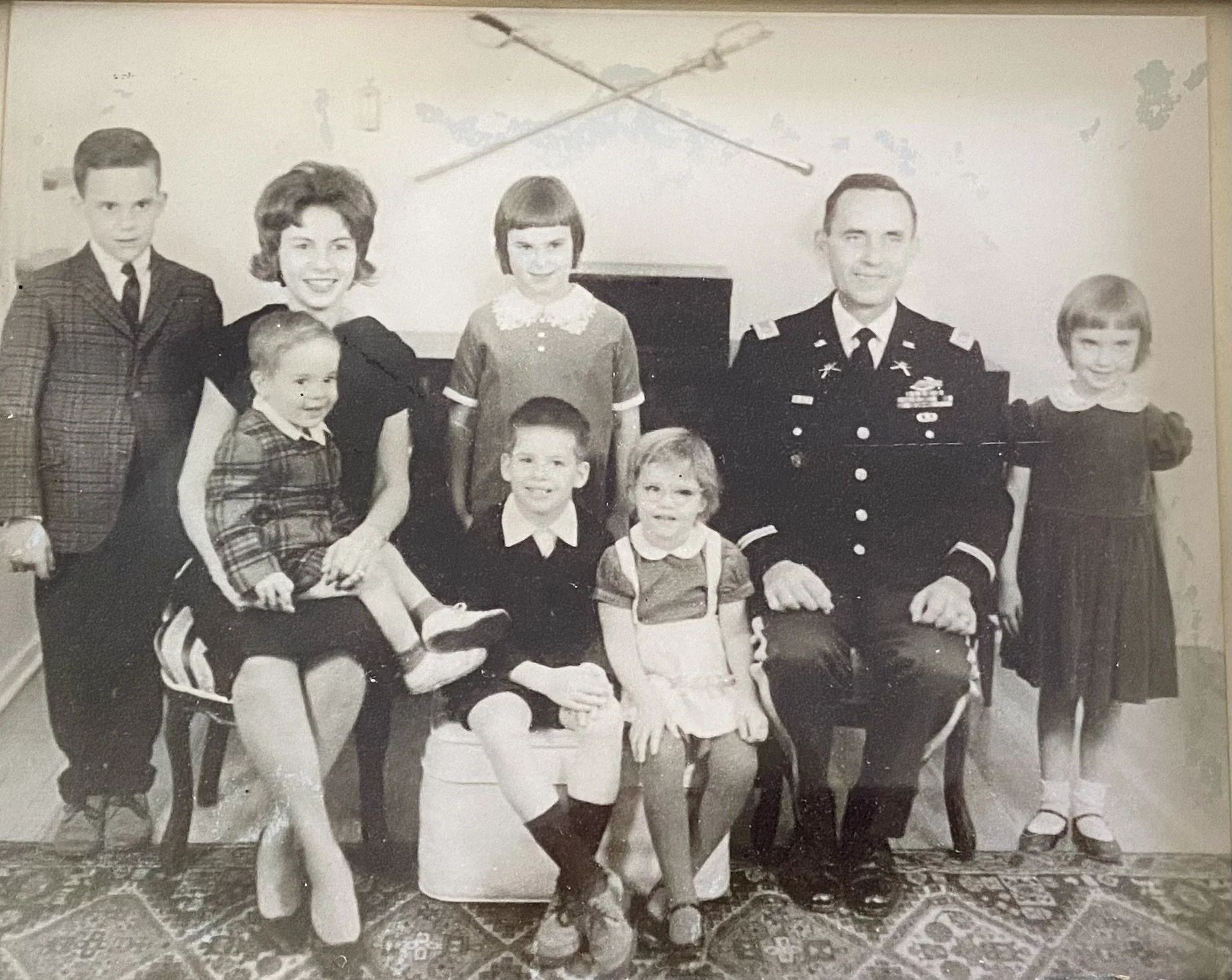
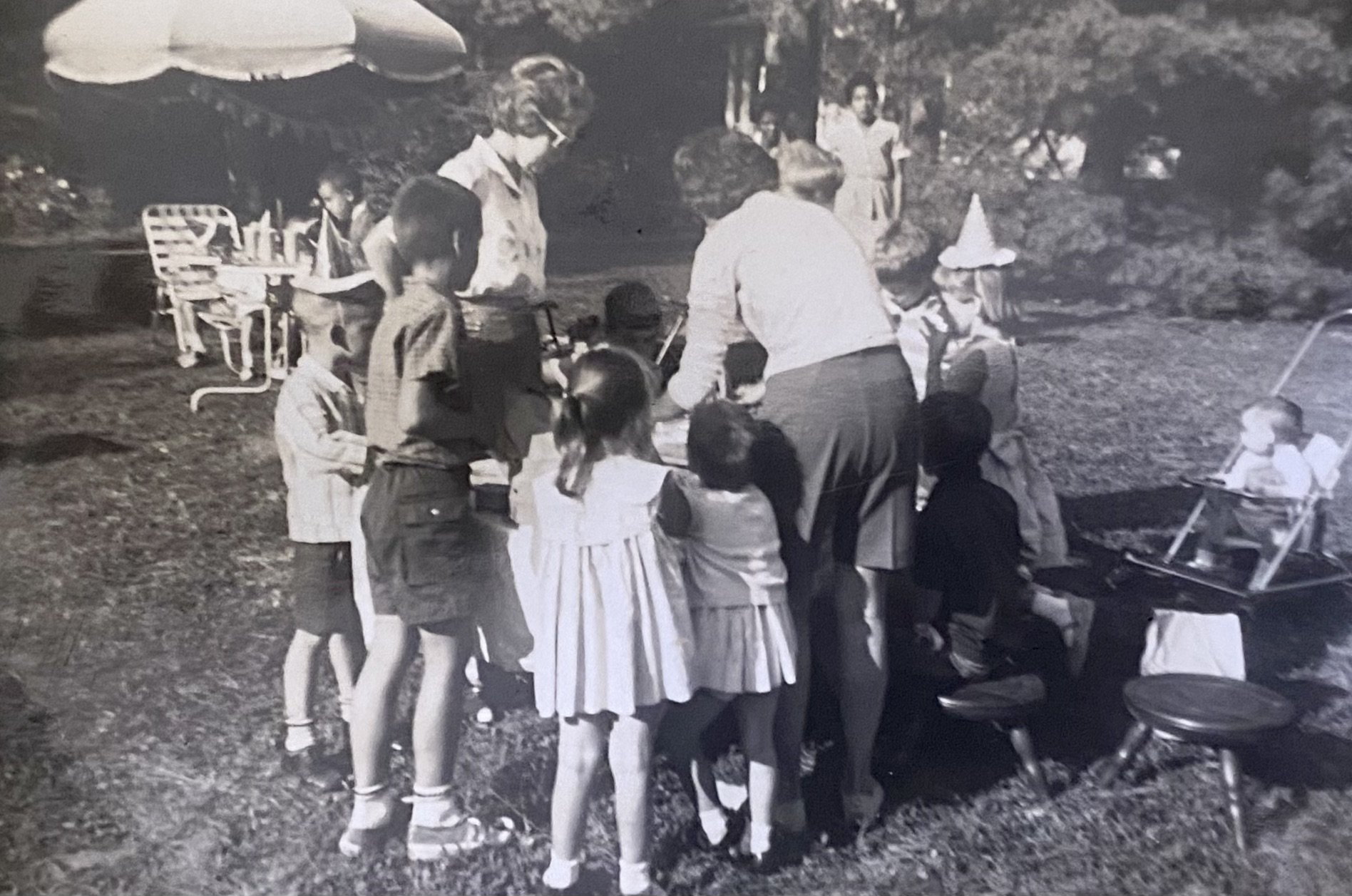
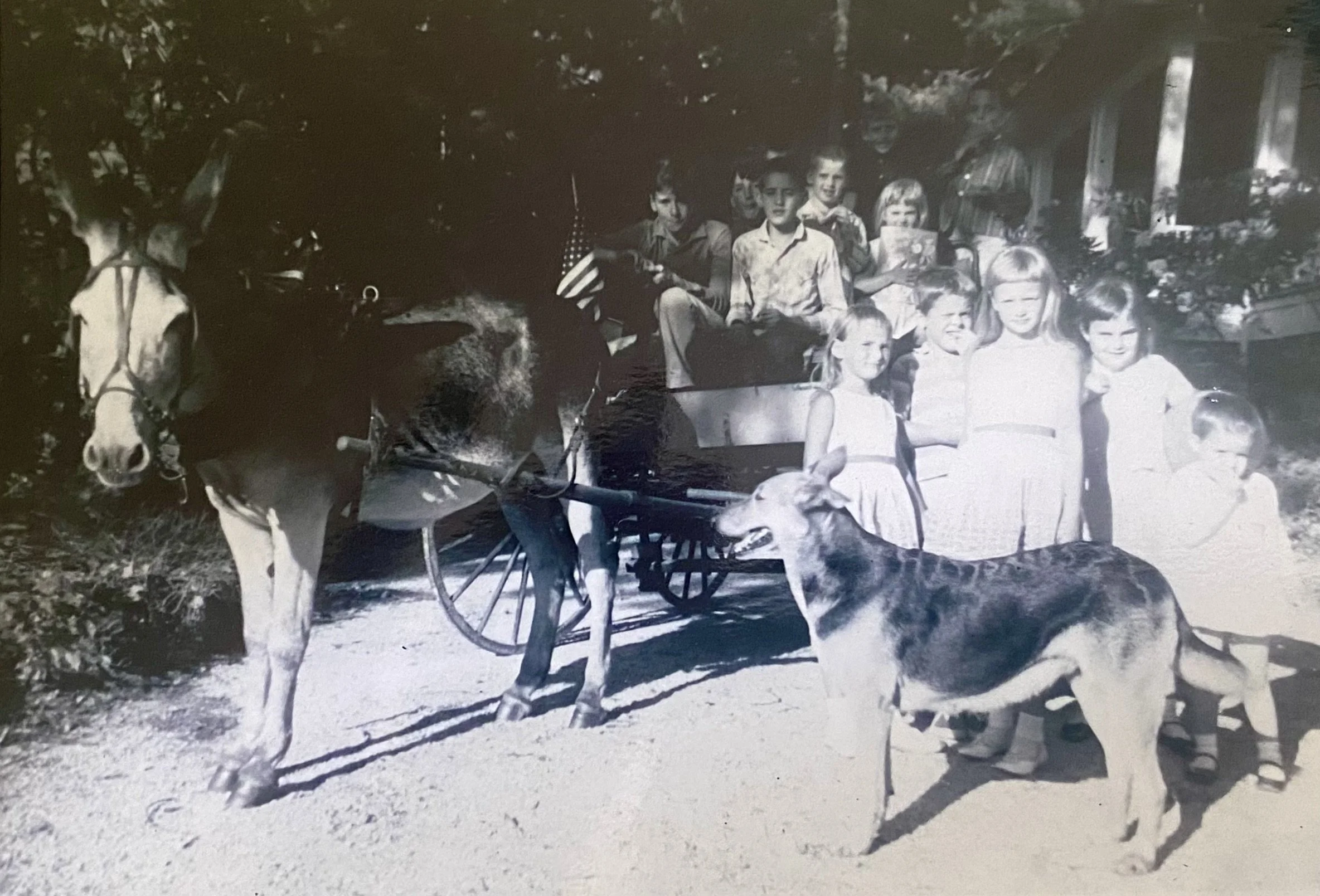
The Simpson Family 1960s
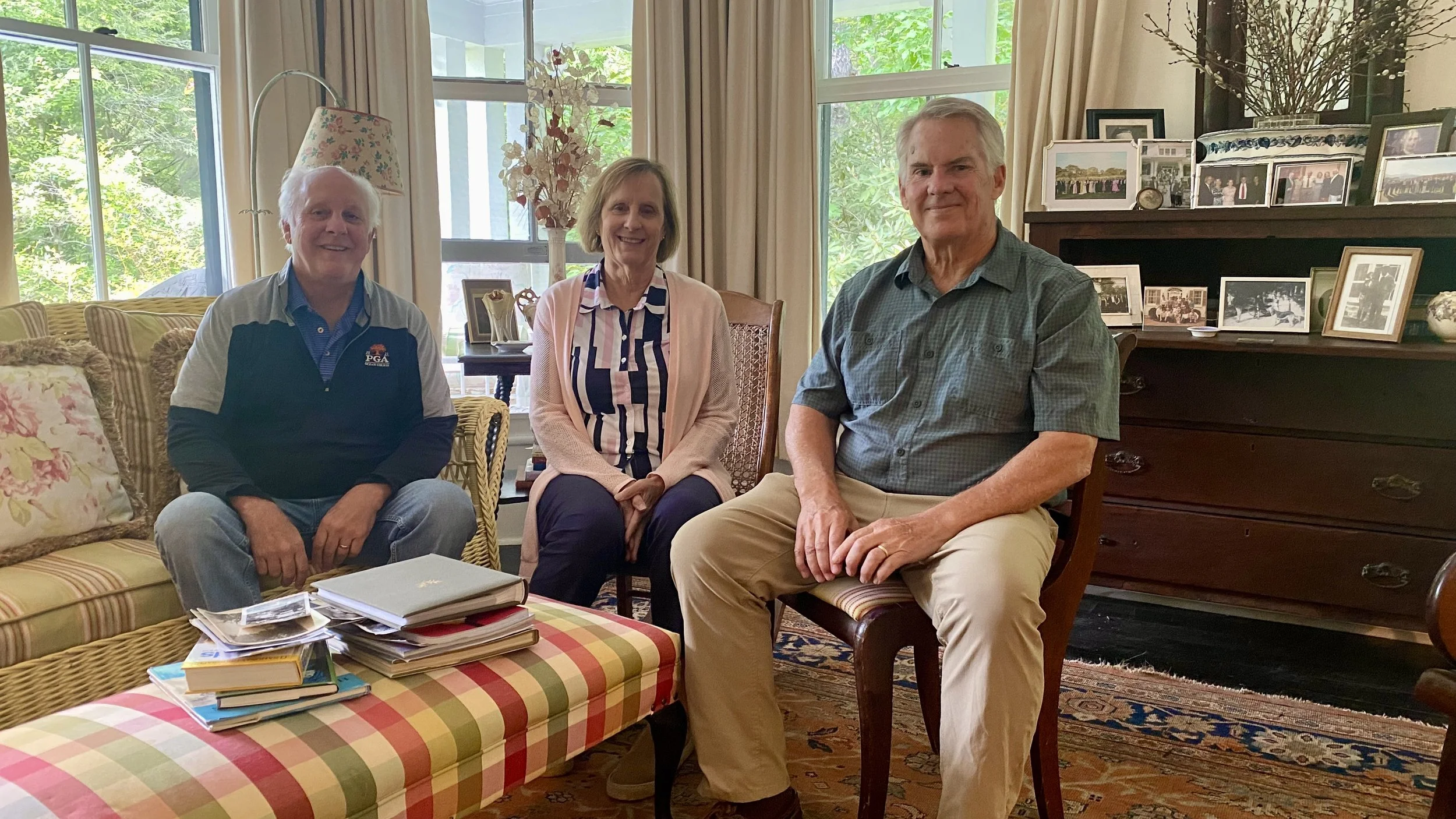
Summers for the young Simpson family were anything but quiet. “Back in the day, we used to go to different houses for swimming or tennis or whatever,” Jim remembers. “Our house was the place to go if you wanted to hike up to Glassy Overlook - we didn't have access through the Sandburg property back then. Everybody would come and park right here and hike up to Glassy. It's a spectacular view up there.”
“We didn’t think twice about going swimming in the ponds around Flat Rock,” adds Robby. “But there were six of us, so we were only invited once!”
“One birthday, my grandmother hired some guys with horses,” Mary recalls. “We went up Glassy on horseback. It was so scary.”
“Have you seen the mausoleum on top of Glassy?” Robby asks with a grin. “When we were growing up, my dad would go with us, and we'd get flashlights, and we'd climb the fence to try to look in. He’d tell us, ‘So, you know, when you die, your fingernails and your hair keep growing.’ We were pretty freaked out.”
The surrounding fields were their playground. “It was kind of a safe place,” says Robby, “because you have so much room to run around. The field in front of the house saw many football games, boomerangs, fireworks, and God knows what else. Dad used to hit golf balls from the house to the road. Back then, you wouldn't hear cars on Little River Road. You'd hear maybe a couple of cars a day. It’s a little louder now. At nighttime, it was just so pleasant. You could hear the whippoorwills calling at night.”
“Sometimes we would walk down the road,” Jim says. “We would walk to Peace’s Grocery. That is a mile from here.” He remembers one visit in particular. “My grandmother sent me to pick up some stuff at Peace’s. She wanted orange juice and bread and milk,” Jim explains. “Clarence Peace got the milk, and then he had to literally chip the orange juice out of the ice to give it to me. And he handed me some frozen bread. I said, ‘I don't want frozen bread. I just want regular bread.’ But when I picked up the bread, I could see some bugs in it. I said, ‘Mr. Peace, this bread has bugs in it.’ He told me, ‘They won't hurt you. Just stop talking about that.’ After that, I said, I don't think I'm going back anymore.”
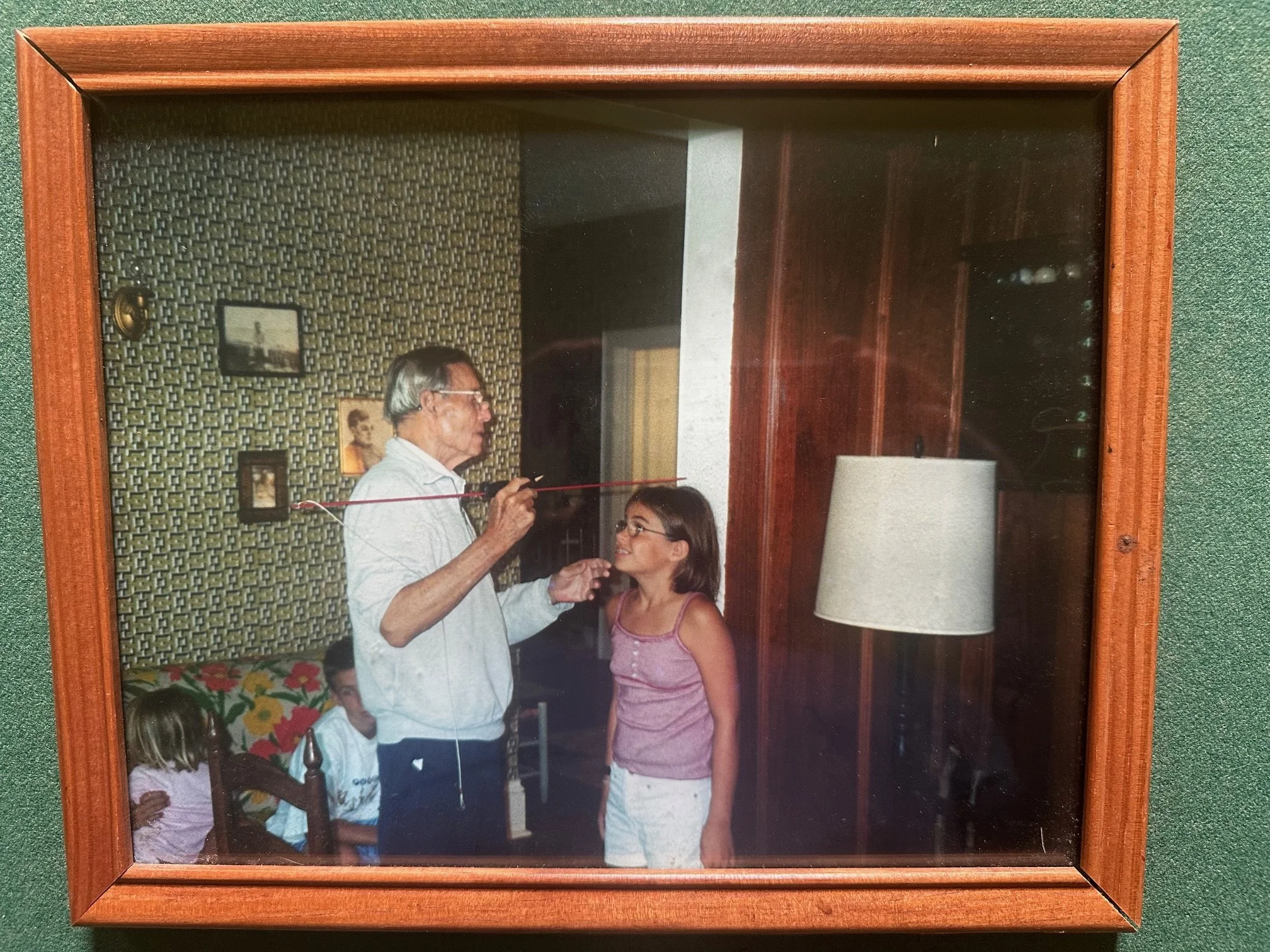
Col. Simpson Measuring the height of Grandchildren
Regularly, Nannie and her friends planned social outings. Cocktail parties, porch parties, picnics, after church parties - hikes, tennis and swimming for the younger visitors. “There were a lot of widows up here and some were very affluent,” recalls Jim. “Mrs. Vincent, owner of Tenerife, wanted to get everybody together because they hadn’t called on the Sandburgs. So, they got all dressed, four or five ladies, and in Mrs. Vincent’s chauffeur-driven Cadillac drove right up to the Sandburg’s house.”
“Mrs. Sandburg was outside the house working in the garden. She just had a work dress on. Nannie and her friends got out of the car and said they wanted to introduce themselves. So they all introduced themselves. Mrs. Sandburg said, “Well, it’s nice to meet you,’ and that was the end of the conversation. So all the ladies got back in the car and left. The Sandburgs probably started closing their gate after that,” laughs Jim.
The years rolled by, but the house remained unchanged. “And my dad never wanted to change things,” says Jim. “His attitude was that the house is a country place. It was just a place to come and relax. It was not intended to be a showplace.”
“I brought friends in here, and they would look around, and their first question would be, ‘Is it haunted?’ Then they’d ask if we preserved it as some sort of time capsule,” Jim says. “Our dad used to play tricks on his grandkids to make them think there were ghosts,” Robby adds.
“It’s kind of funny,” says Mary, “when our brother passed away a couple of years ago, a friend wrote, ‘Screven was a great person. He’s very laid back. And one story that I can remember is that his grandmother let him and me go up to the house in Flat Rock one weekend. And we came into the house, and it was totally black, pitch black. We slept upstairs, and we’re both reading The Shining, one of Stephen King’s novels. We were scared half to death. Anybody who’s ever been up to the house knows exactly what I’m talking about!”
The Simpsons’ father had a simple rule. “Dad had this policy that during the summertime, anybody could come up and use the house as a family gathering place, but not for private time. Private weeks/weekends were allowed in the fall and spring. His intention was to have siblings, in-laws, and cousins enjoy the place together. Mom and Dad would spend about half the summer up here, and they made it very nice and easy for us to come,” Jim explains.
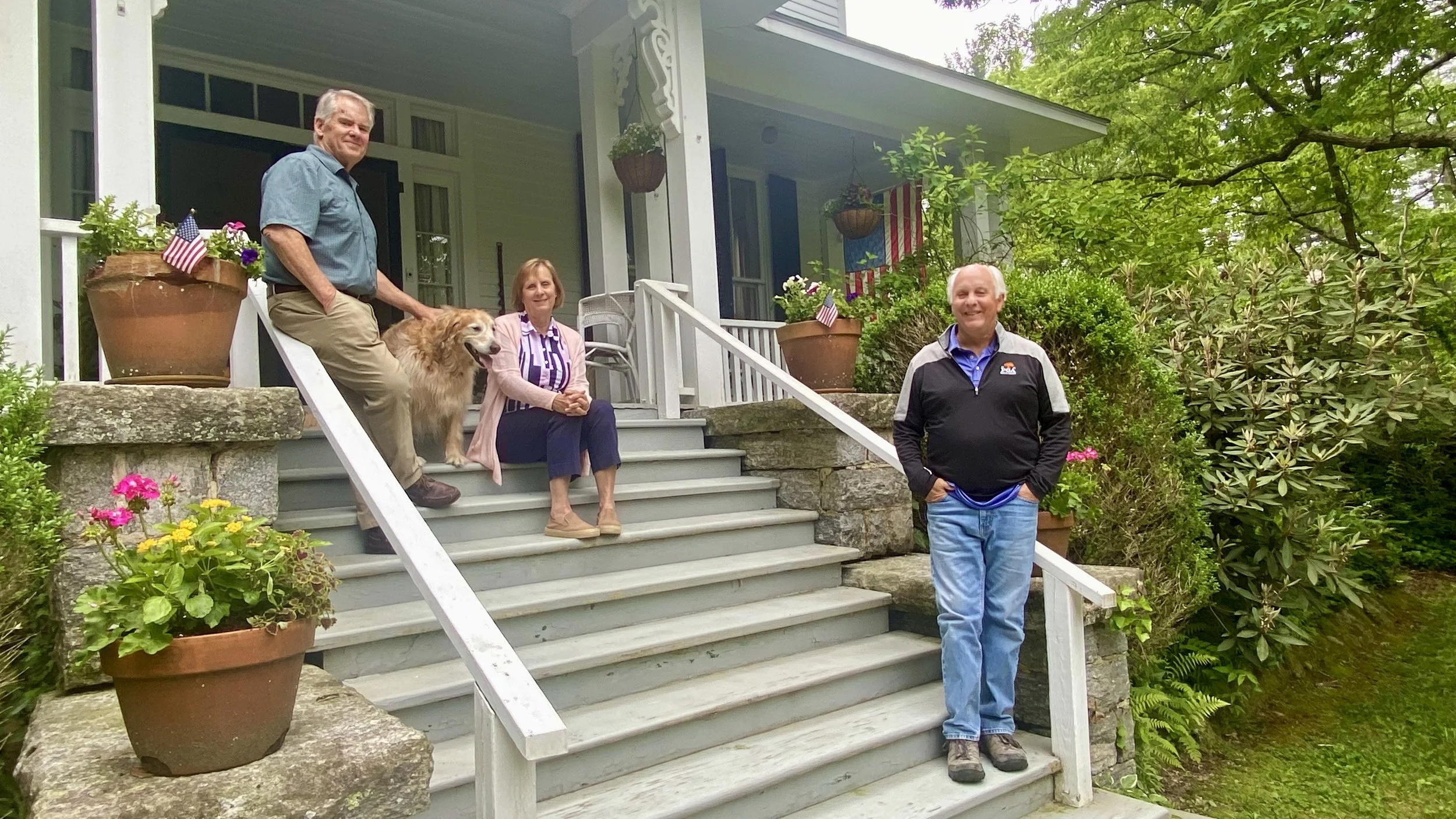
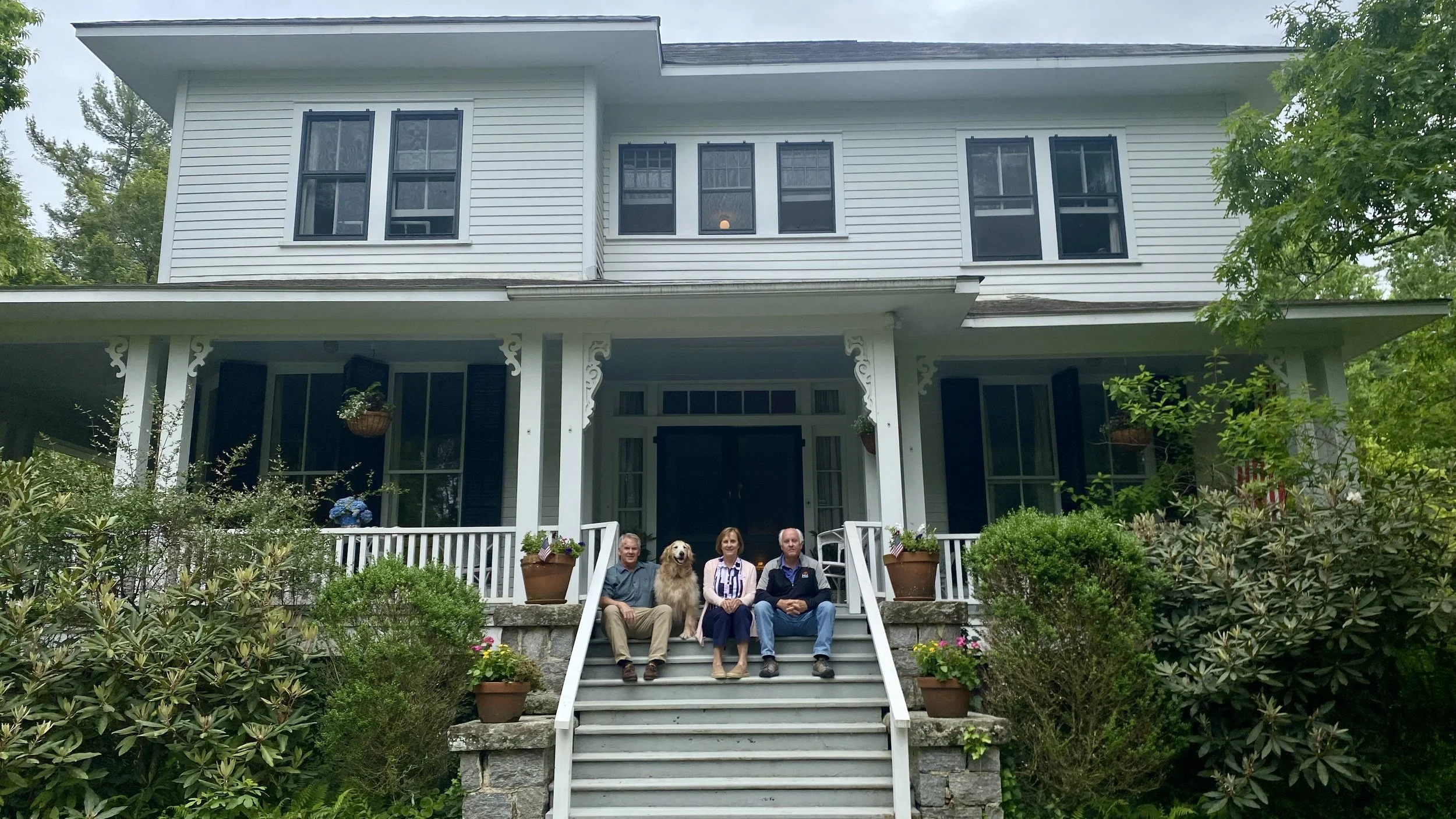
Jim, Mary, and Robby on the steps of Rhododendron
“Dad was the gatherer of the family, including his sisters Mary Bailey and Jule Graham. He would always encourage them and their families to come up for Thanksgiving and summer parties,” says Jim. “For Thanksgiving, everybody tries to come back to the house,” adds Mary. “We have a sign in the pantry that says, ‘What happens in Flat Rock (Rhododendron) stays in Flat Rock.’”
“The house is our grandmother's legacy, and our dad's legacy left to us,” Mary continues. “He always wanted all of us to come up together in that way. There are six of us, and now there are 13 grandchildren.” “Once you were old enough to walk alone to go see the goats at Sandburg, that was a rite of passage for all of our children,” says Robby.
“Summers we could be doing something else,” Mary said, “but when you hear your nieces and nephews and your brothers and sister-in-laws are going to be up here, it’s like, ‘Okay, we need to go there and be with everybody.’”
And so, they still do.
A Legacy Rooted in Flat Rock
For a family shaped by movement — by deployments, new schools, and shifting geography — Rhododendron has been the unshakable center. Its walls have witnessed five generations grow, gather, and grieve; its porches have held laughter, quiet reflection, and the soft murmur of deep connection.
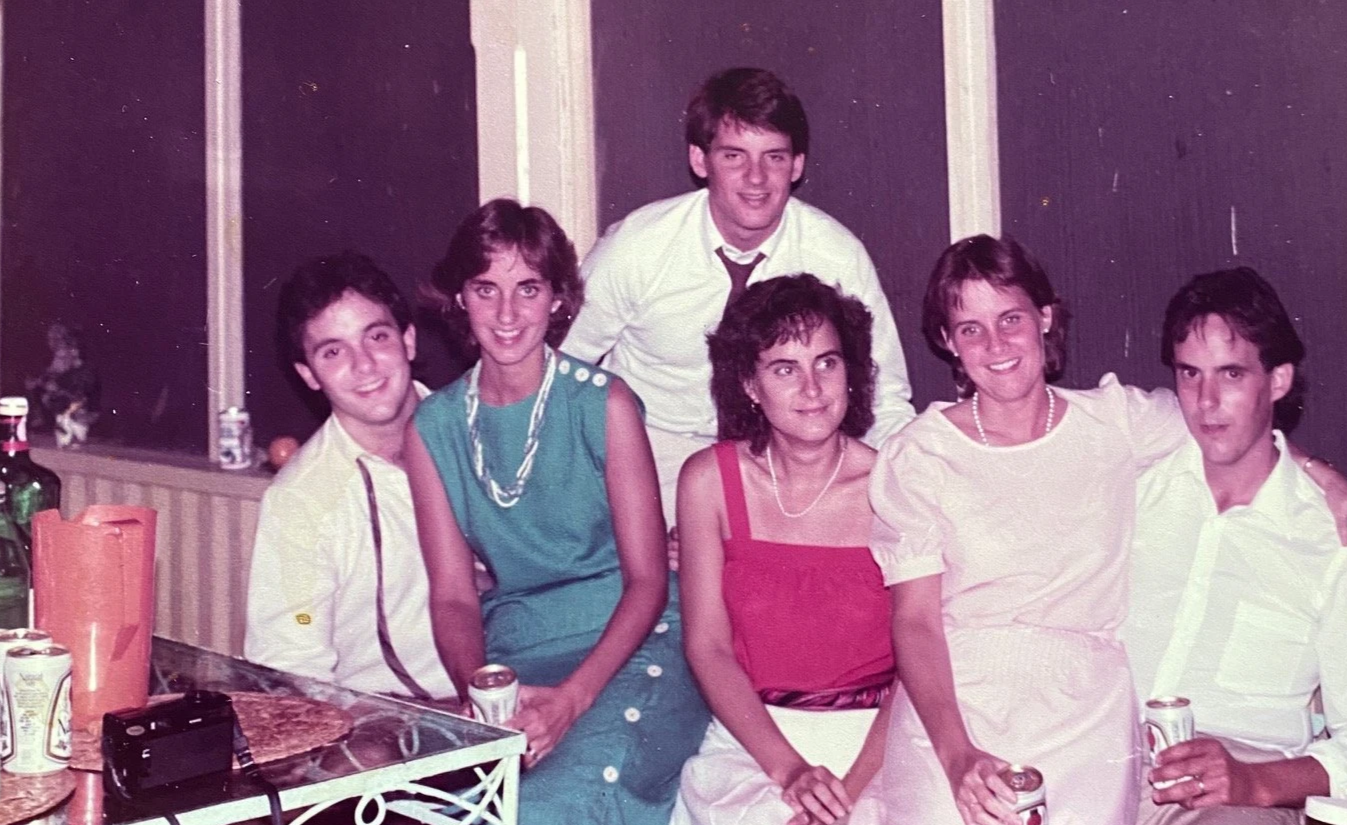
The Simpson Siblings
“It’s our home base,” said Mary. “It holds us together.”
More than a summer retreat, Rhododendron is a living inheritance—a legacy preserved not only in furniture and floorboards, but in rituals, rhythms, and relationships. It is the place where the Simpson siblings have always returned, and where they have passed along a sense of rootedness to their children and grandchildren.
That enduring sense of belonging was made possible by their father, Colonel Simpson, whose devotion to the house was as steady as the pines that line the field. His work, his values, and his quiet determination live on in the way the family cares for the home and for one another.
In Flat Rock, where so much has changed, Rhododendron remains - weathered, beautiful, and profoundly loved. It is not just a historic structure. It is a vessel of continuity, shaped by the past but animated by the living memories of those who still call it home.