The Church That Freedom Built
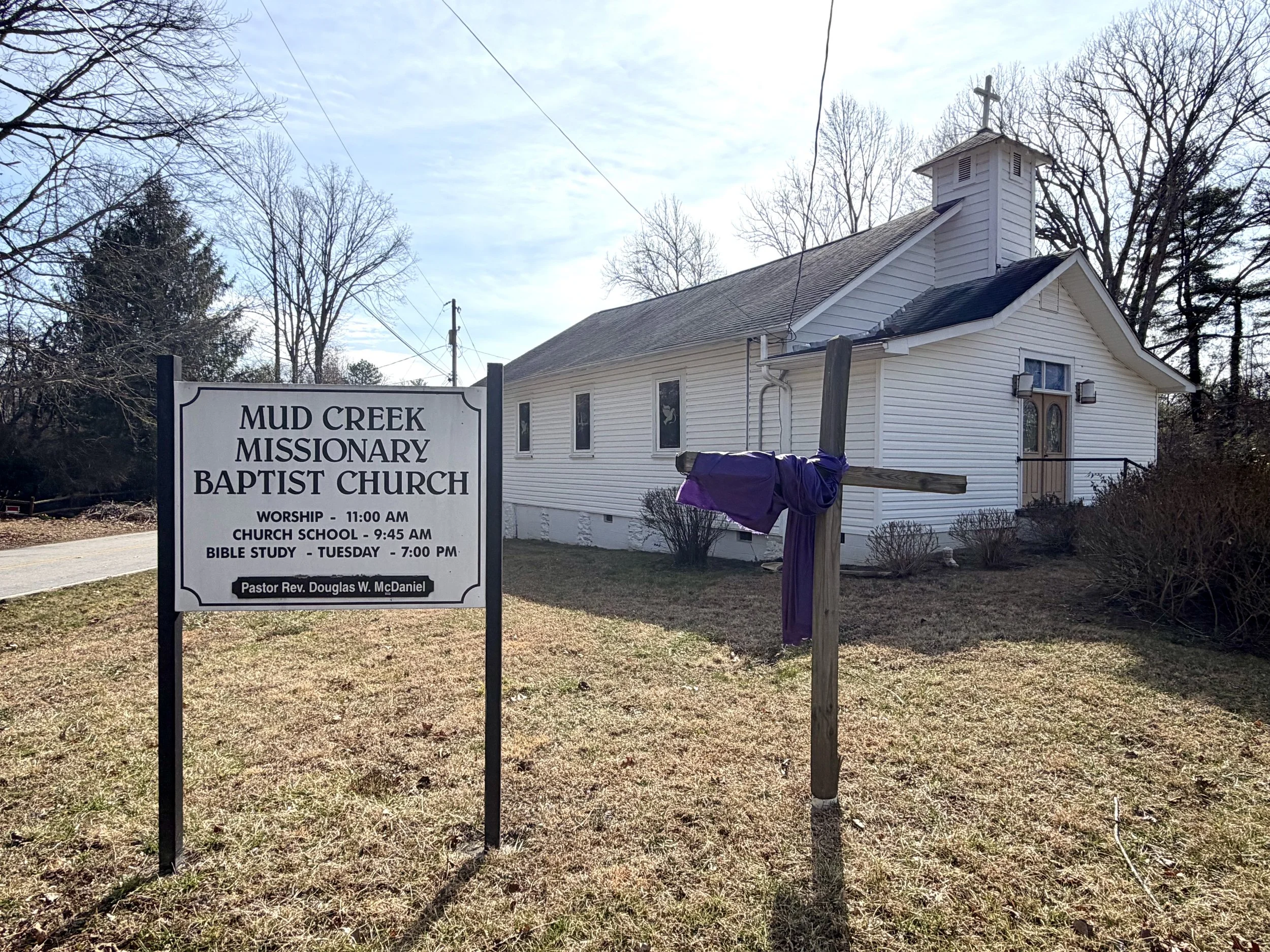
Mud Creek missionary Baptist Church
The Enduring Faith of Mud Creek Missionary Baptist Church
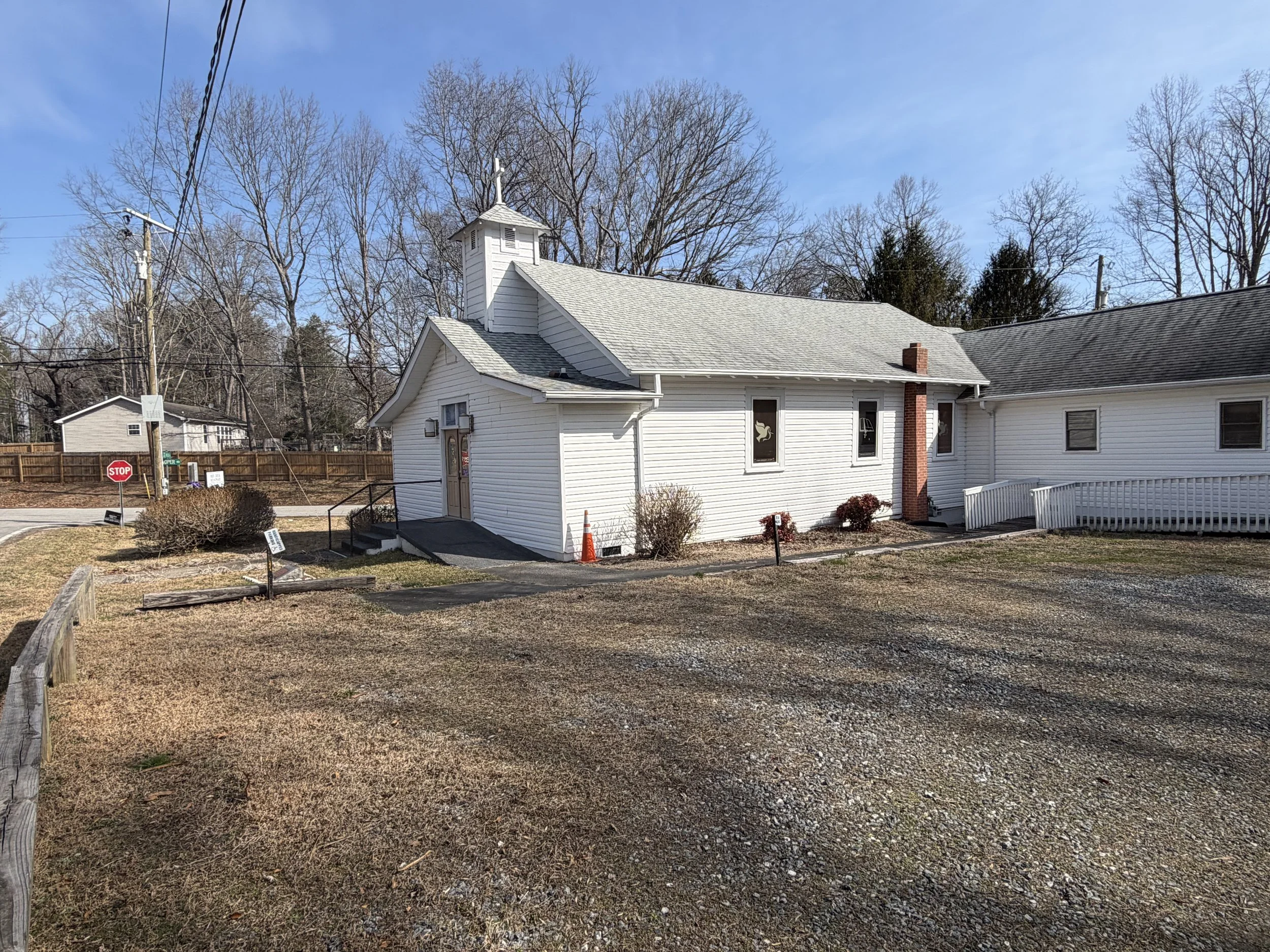
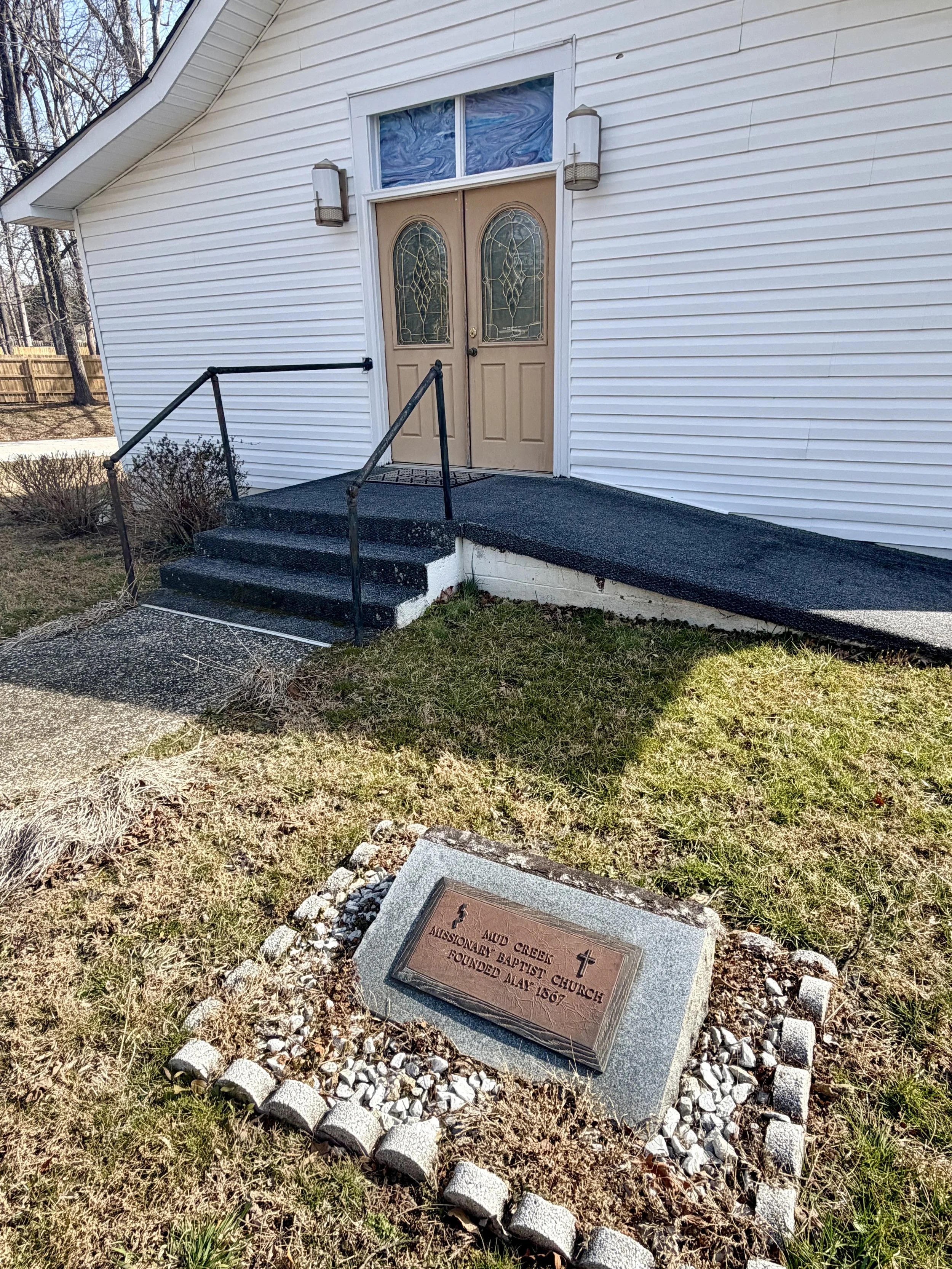
On quiet mornings in East Flat Rock, the light settles softly over Mine Gap and Roper Roads. If you did not know better, you might pass the small white church on the corner without realizing that it holds within its walls nearly 160 years of history and memory.
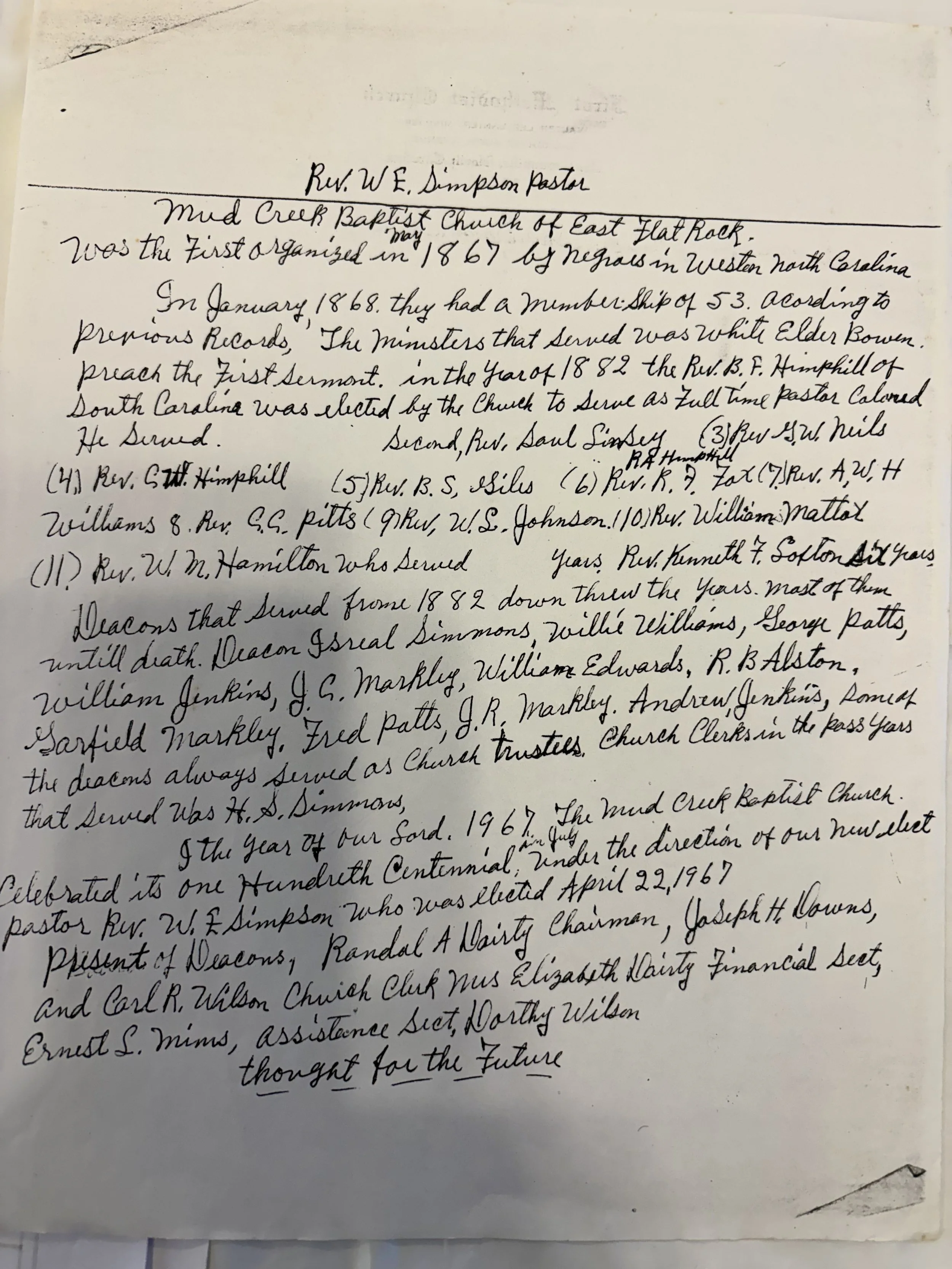
Mud Creek Missionary Baptist Church is a modest building, and its congregation is small. But the ground beneath it was claimed by newly freed men and women who wanted more than survival. They wanted dignity. They wanted autonomy. They wanted a place to worship under their own authority.
And at the heart of that story are two names that still echo in East Flat Rock: Caesar and Venus Edwards. The great-great-grandparents of Mud Creek Missionary’s current “keeper” of church records, Wanda Horne.
Before There Was a Sanctuary
Flat Rock in the mid-1800s was known as the “Little Charleston of the Mountains.” Grand homes dotted the landscape. Enslaved men and women came with those families - cooks, laundresses, stablemen, carpenters - preparing the estates each spring and sustaining them through the season.
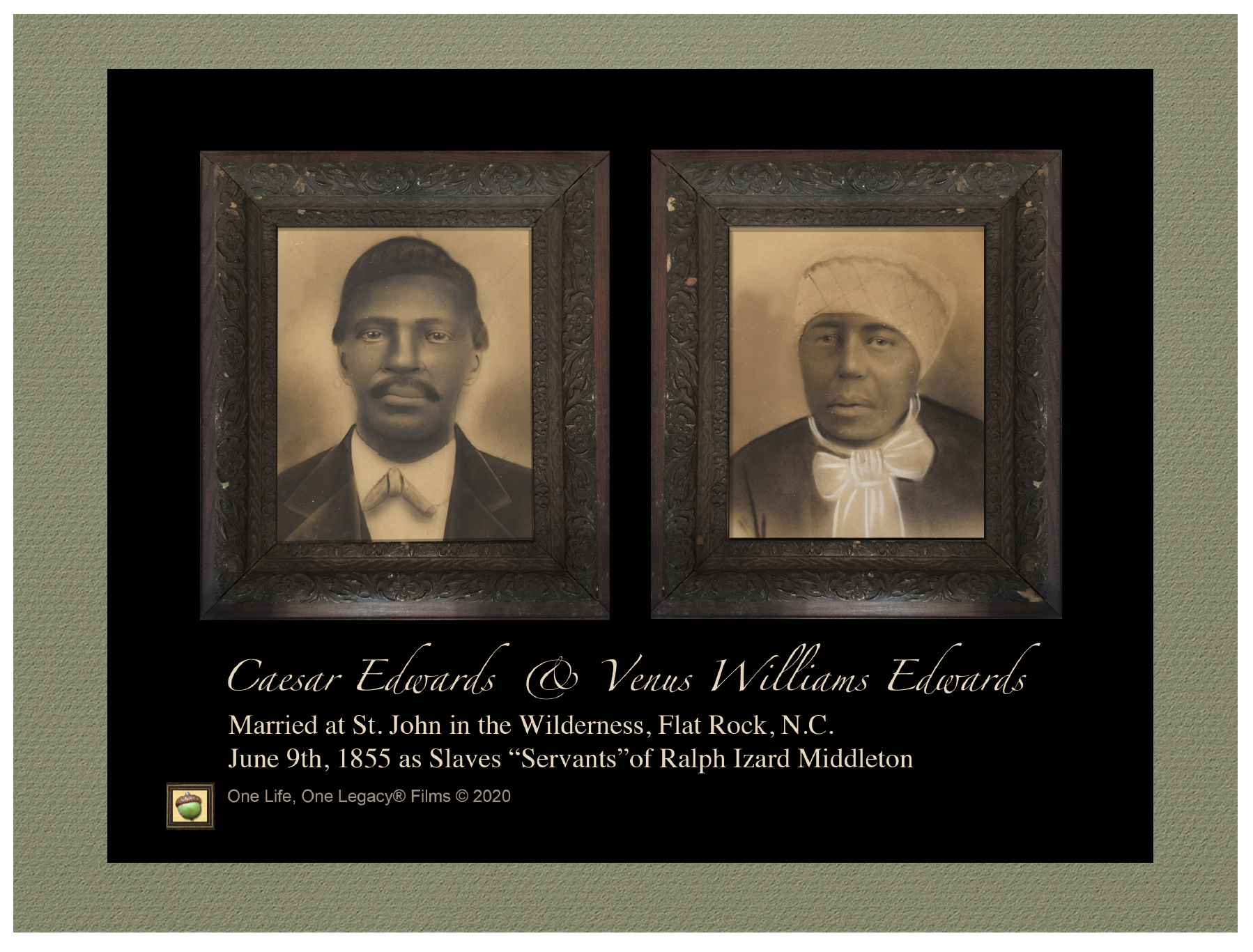
Caesar and Venus Edwards. Image from ”To Protect and Preserve", Historic Flat Rock’s Legacy to Keep
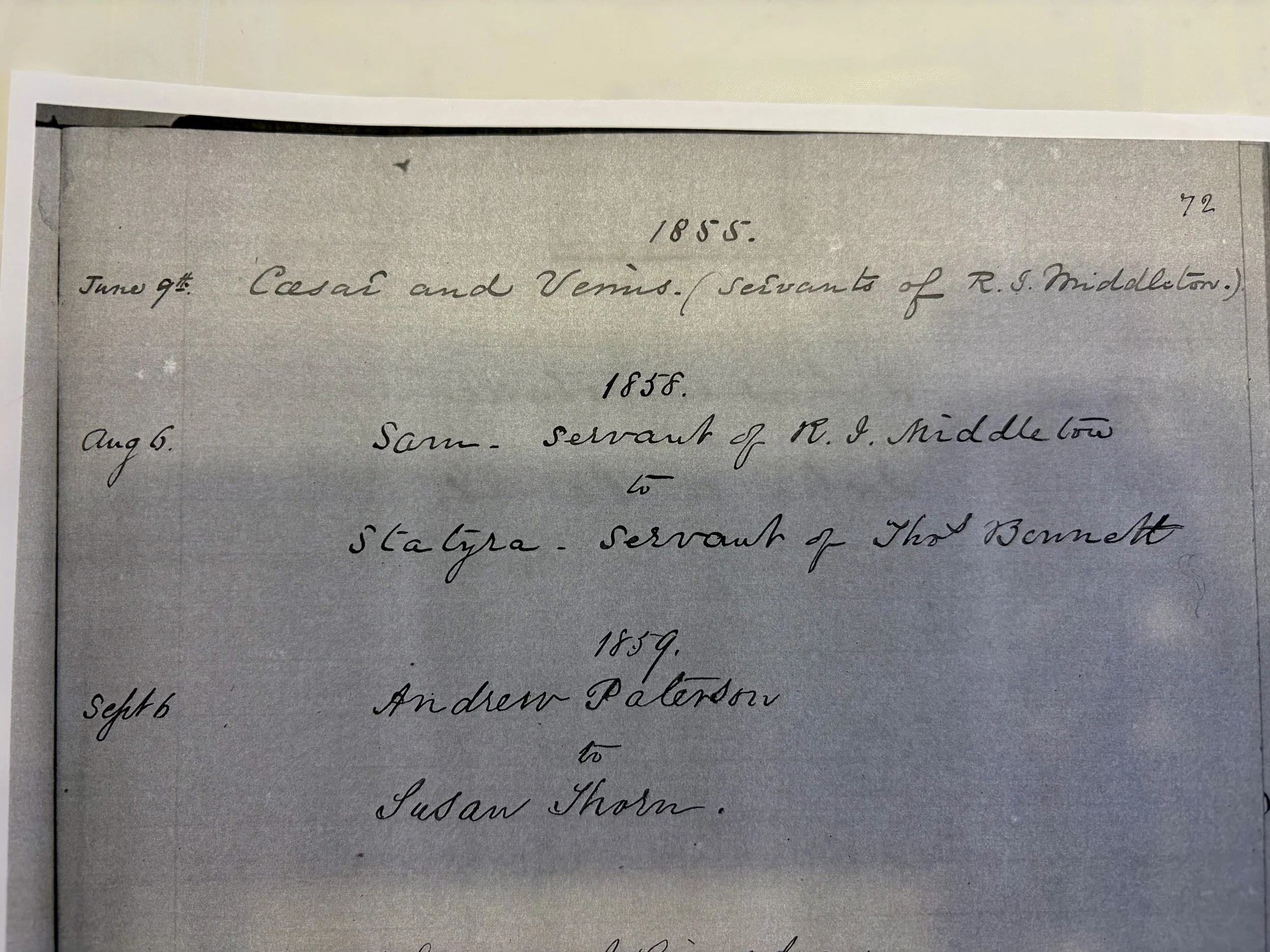
Caesar and Venus were enslaved in coastal South Carolina before being brought to Flat Rock by wealthy Charleston families who summered in the mountains. Caesar worked as a cook and servant. Venus labored in domestic service. Church records show that on June 9th, 1855, they were the first enslaved couple married at St. John in the Wilderness Episcopal Church in Flat Rock. Even within bondage, they formed family and faith.
When emancipation came in 1865, many freed people left Flat Rock in search of opportunity or lost relatives. Caesar and Venus, however, stayed. Perhaps Flat Rock had become familiar ground. Perhaps community was already forming. By 1870, the census listed them by name - no longer as property, but as people.
Freedom had arrived. Now came the work of building a life. One of the first things freed people sought was spiritual independence.
From Back Pews to Brush Arbors
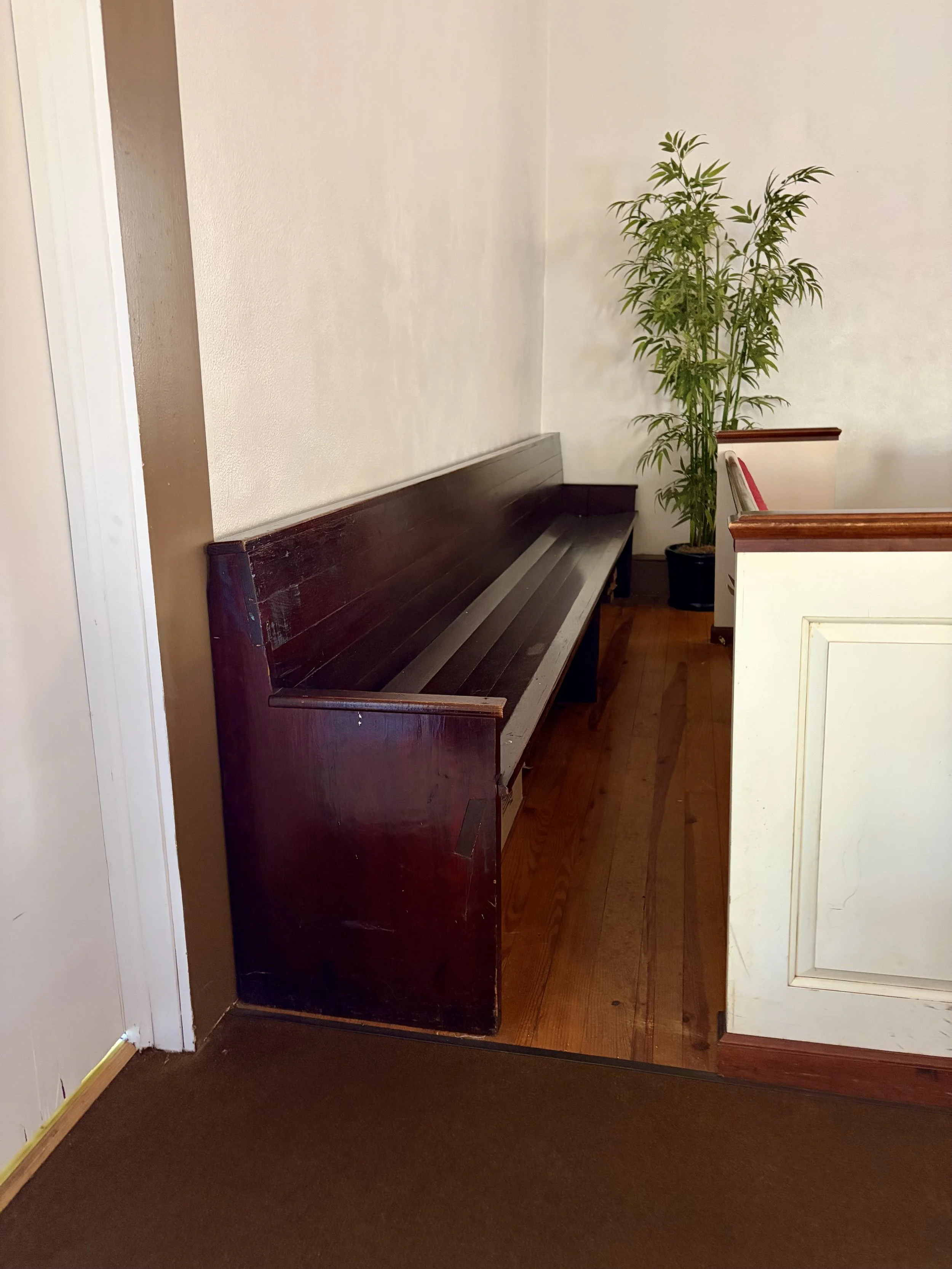
Before organizing their own congregation, Black worshipers attended white churches, including Mud Creek Baptist, located at the intersection of Rutledge and Erkwood Drive in Flat Rock. Church minutes from April 1867 record that Black members would be permitted in “the two back pews on the men’s side when the house was not full.” A separate afternoon service would be provided for them, led by a white minister.
But long before emancipation, enslaved men and women had already created their own sacred spaces — brush arbors hidden in the woods, known as hush harbors. There they slipped away at night to sing, pray, and preach freely. Songs like “Going to Jesus” carried coded messages announcing time and place.
In May 1867, however, Black members withdrew and organized their own church. By January 5, 1868, 53 members adopted a covenant under the name Hendersonville Colored Baptist Church, later renamed Mud Creek Colored Baptist Church. They pledged to walk together in brotherly love, to bear one another’s burdens, and to live in covenant with God and one another.
A Church of Their Own
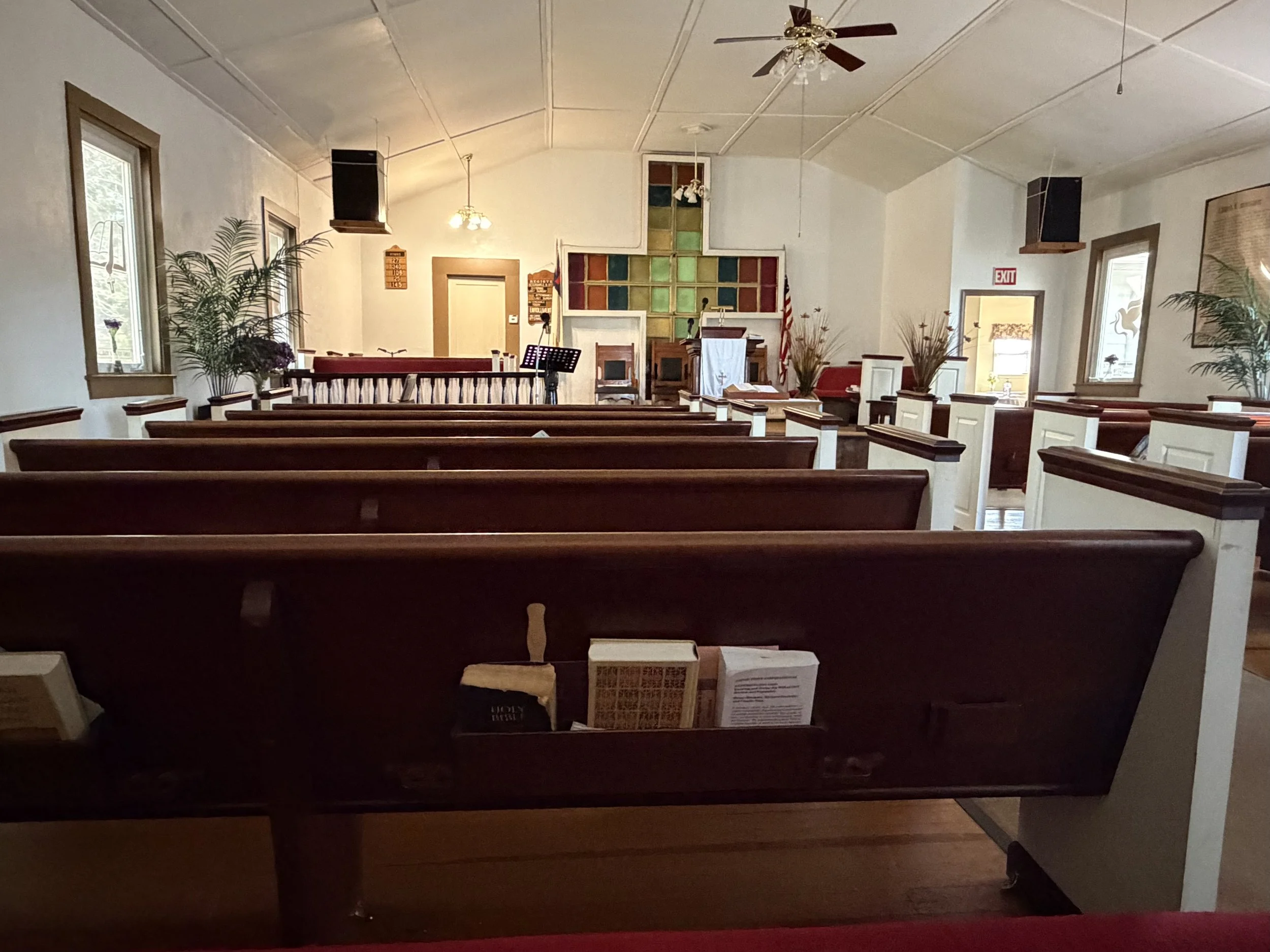
For years after Mud Creek Missionary Baptist Church was formed, the congregation met wherever space allowed — in the white sanctuary when permitted, in private homes, beneath brush arbors.
In 1889, trustees Isriel Simmons, George Potts, and William Jenkins purchased one and a half acres near the Heidelberg estate, now Bonclarken. By 1894, the deed was fully paid. A modest wooden church rose there in the 1890s — white boards, colored-pane windows, handmade benches. Baptisms took place in nearby ponds. Faith took root. The church became the spiritual center for a growing Black settlement that paralleled the white village of Flat Rock.
By the 1920s, many members were living in East Flat Rock. The walk to the Bonclarken church stretched for miles. And they walked multiple times each Sunday and returned during the week for meetings and prayer. Dust in summer. Mud in winter. Children climbed what some remembered as “Ostin Hill,” near today’s Hillandale Elementary School. Some carried rocks in their pockets as protection against the occasional taunts of local rowdies.
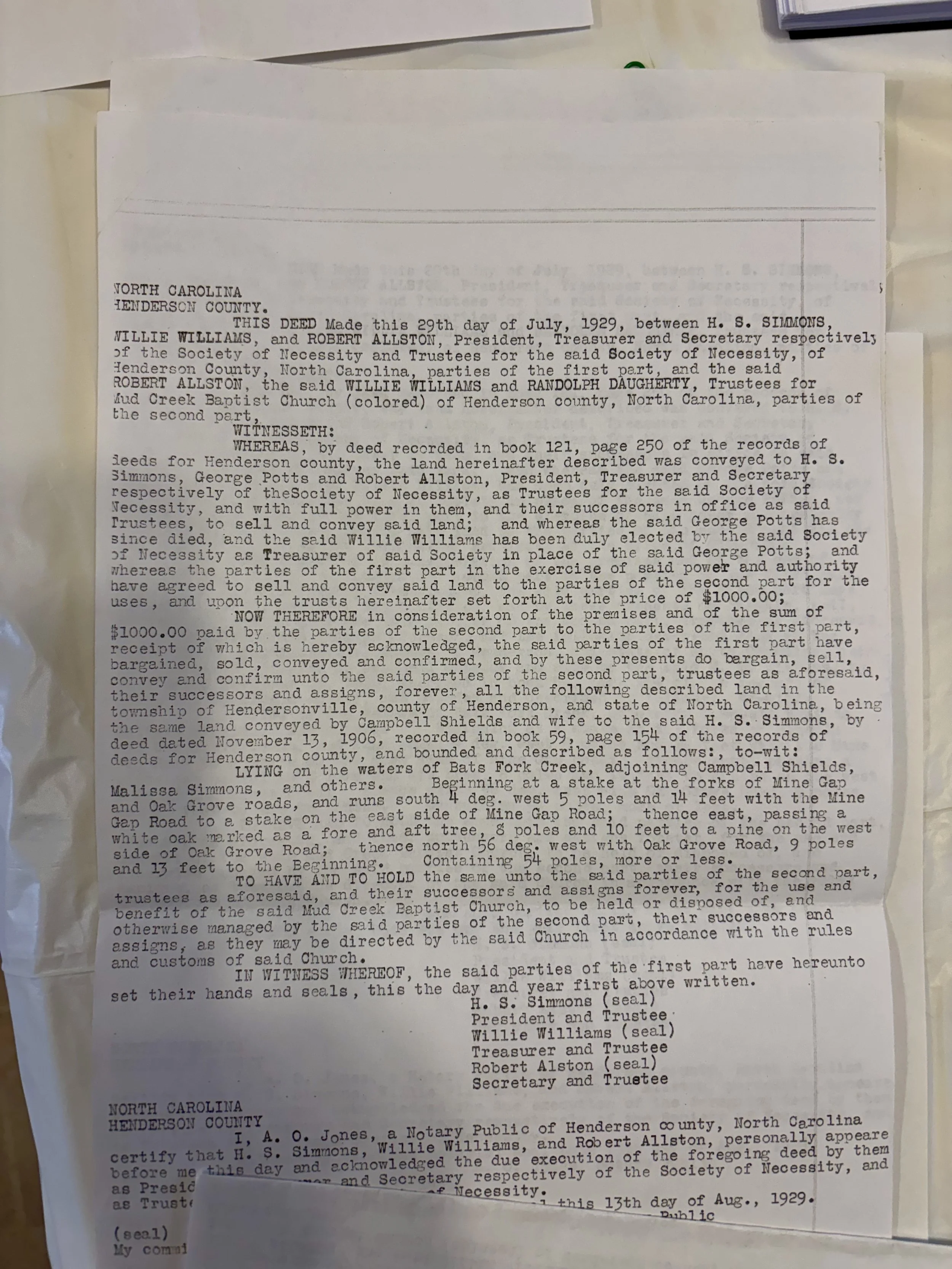
In 1927, the congregation voted to sell the Bonclarken property. In 1928, they purchased land at Mine Gap and Roper Roads — the “property of Necessity,” associated with the Society of Necessity, a Black mutual aid organization that provided assistance for groceries, medical care, burial expenses, and wood during hard times. For many members, the new church was located closer to their homes.
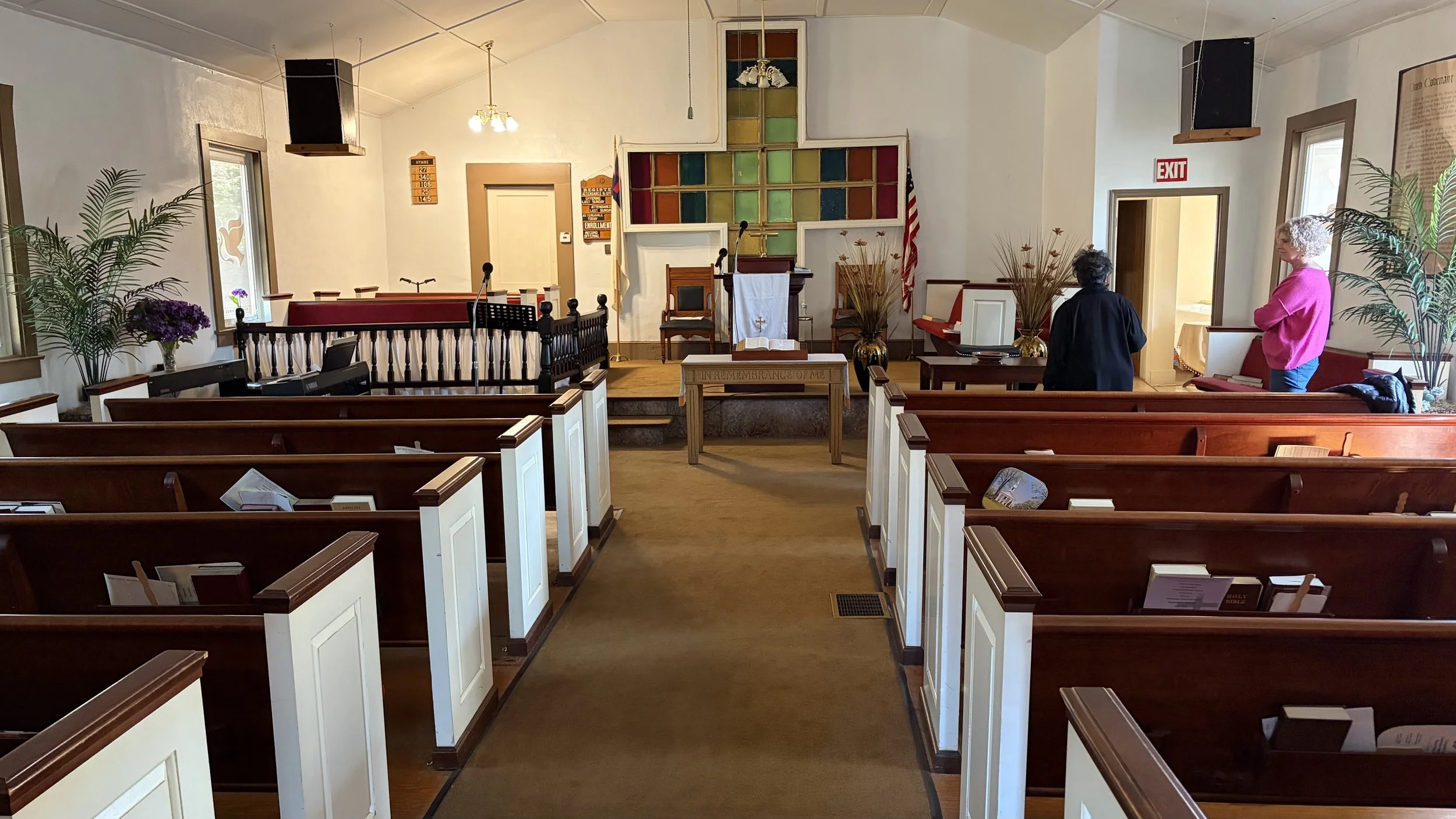
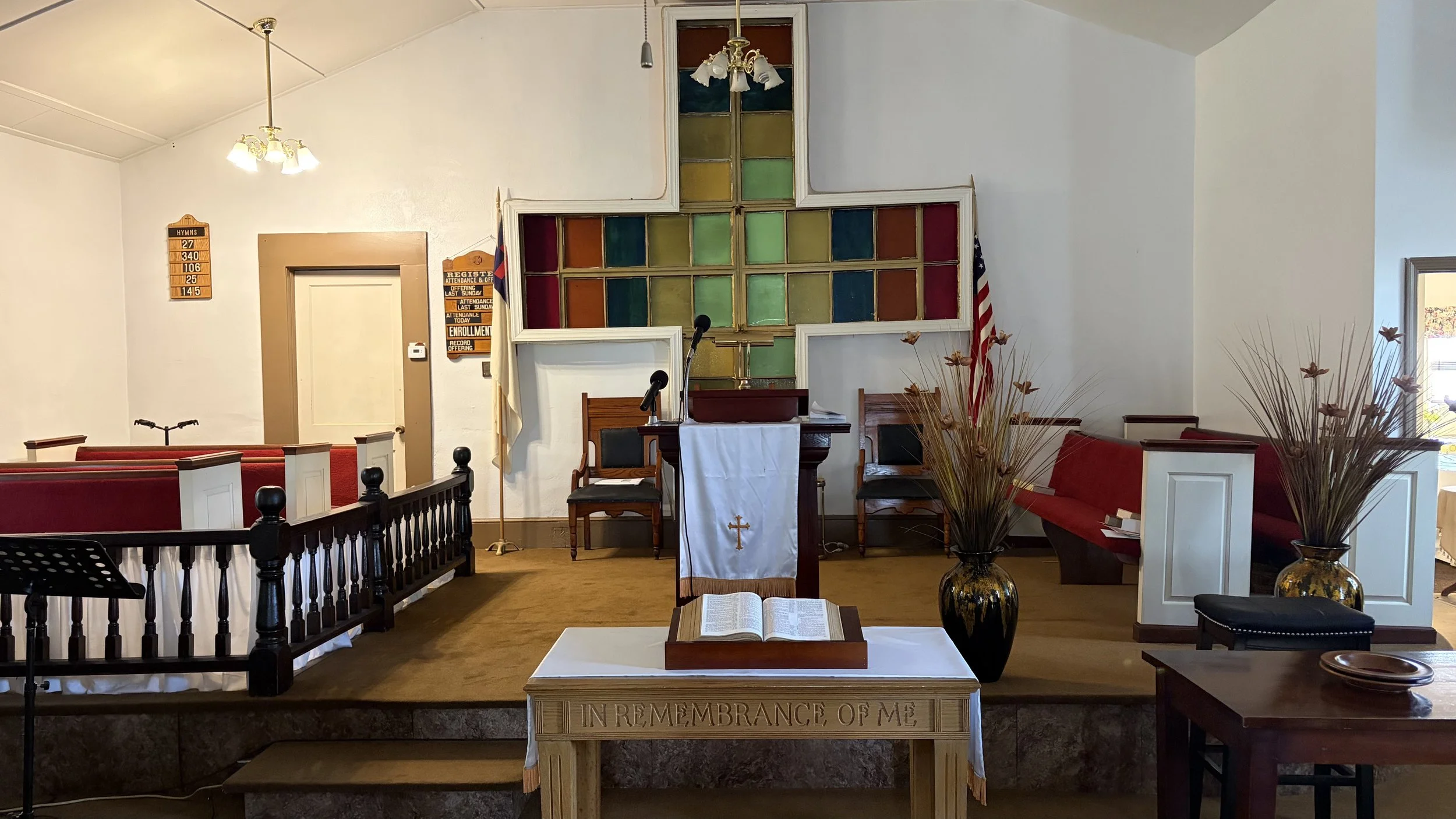
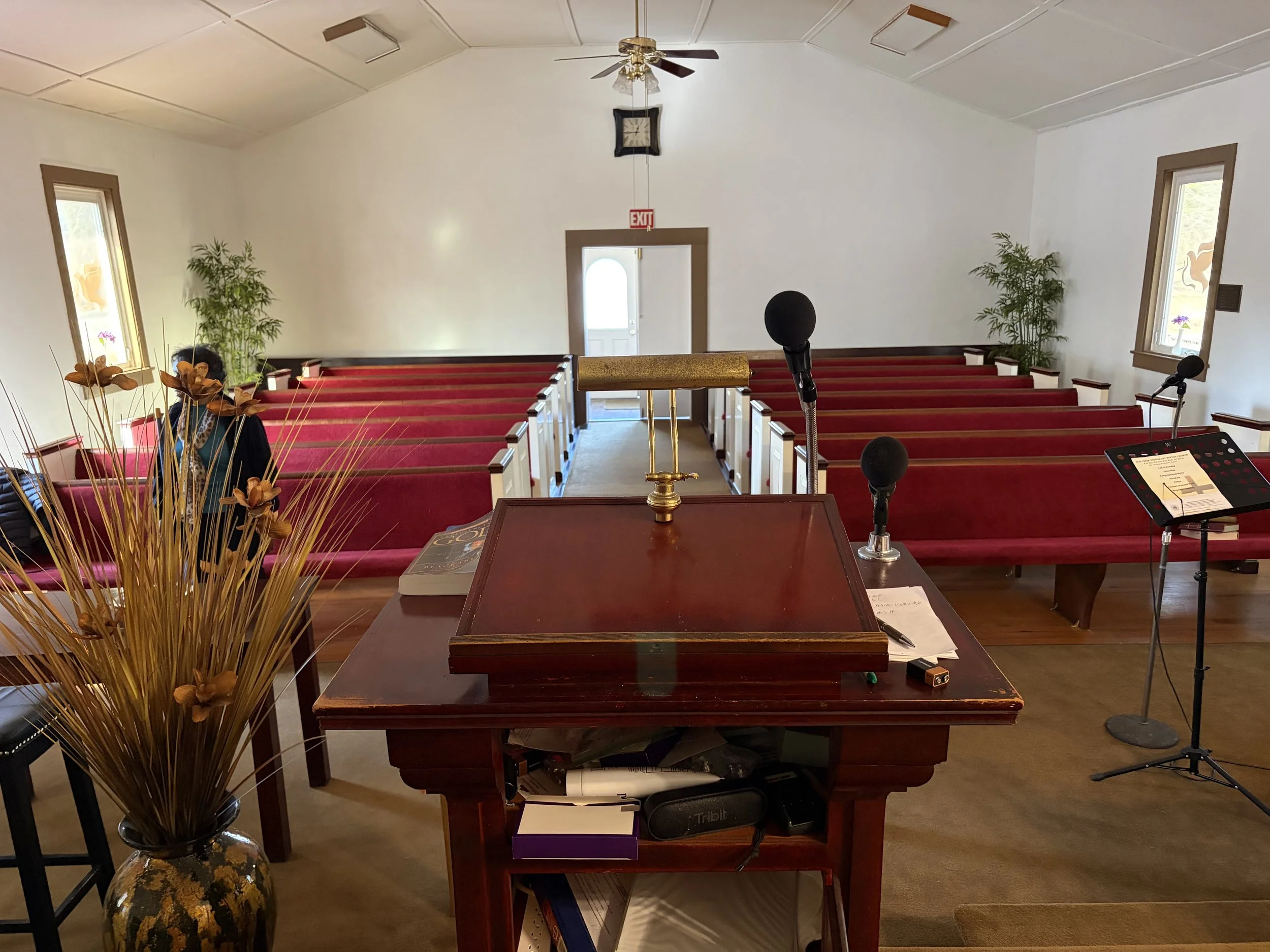
The present sanctuary was completed in 1933. The dedication, held in June 1934, was an all-day celebration of singing, prayer, and dinner on the grounds.
Growing Up at Mud Creek
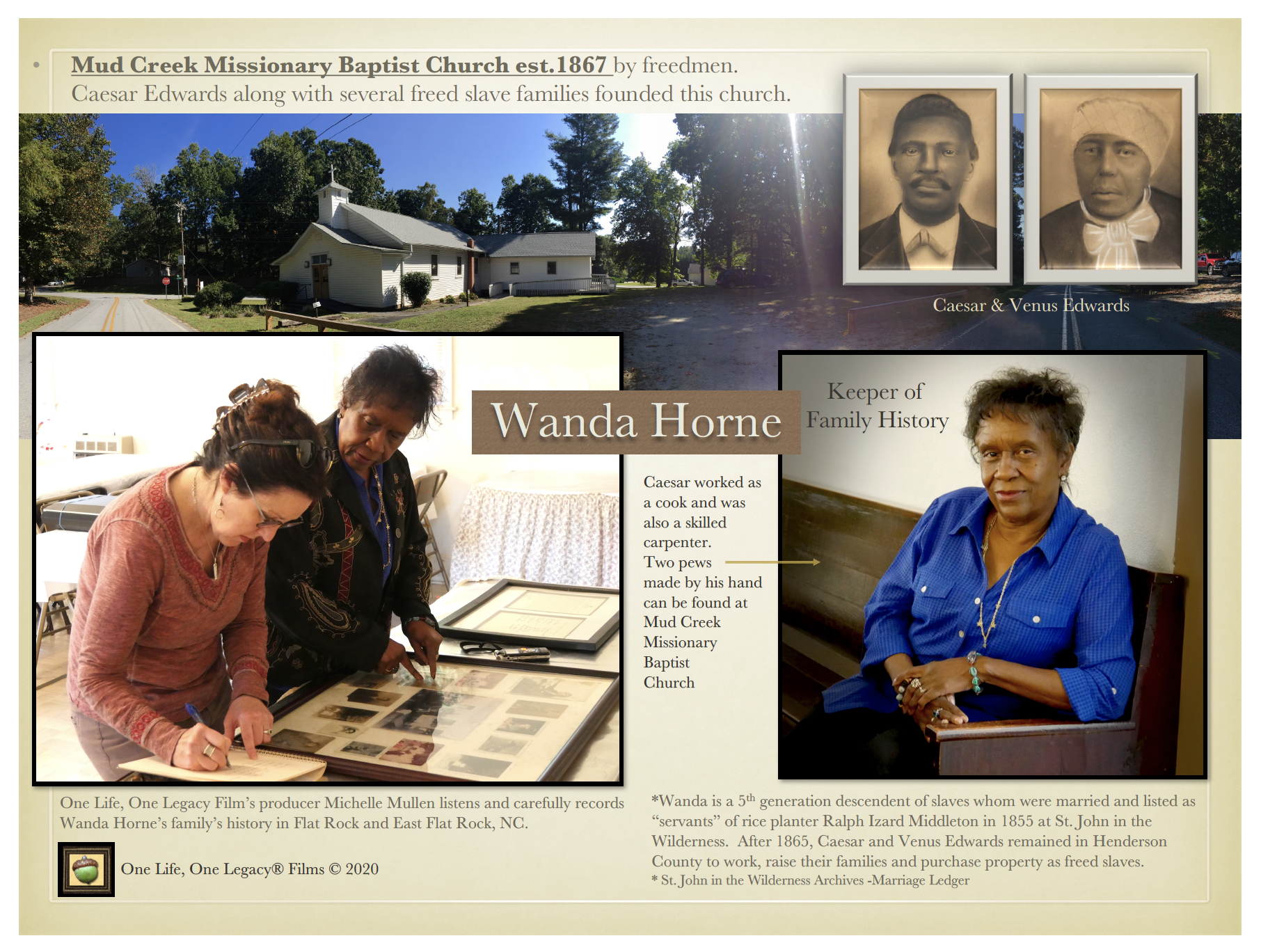
Image from ”To Protect and Preserve", Historic Flat Rock’s Legacy to Keep
Wanda Horne’s great-great-grandparents, Venus and Caesar, were charter members of Mud Creek Missionary Baptist Church. Her family has worshiped in the church continuously for 159 years -through segregation and integration, through migration and decline, through seasons when the pews were full and seasons when they were not.
For Wanda, this is not simply the church her family attended. It is home. There are other churches closer to her house, but something always pulled her back to Mine Gap Road. “It’s like I’m supposed to be here,” she says. “I don’t believe it was all me making these decisions. I think it was a higher power. Told me, you need to go back home.”
Although Wanda does not claim the title of historian, she has fallen into the role of providing institutional memory for her church. “I am the keeper and the caretaker,” she says. “I just have a lot of history to keep.” The way she says it is matter-of-fact and not self-important. As if tending to 159 years of memory is simply another task to be done.
But what she keeps is not just paper and photographs. She keeps the stories of Caesar and Venus. She keeps the covenant signed in 1868. She keeps the knowledge of who sat in which pew, who sang in the choir stand, and who is buried at Oakland Cemetery nearby.
Wanda remembers when the choir stand was full and children filled the pews below, their legs swinging, shoes not quite touching the floor. “They could correct us from the choir,” she laughs. “All they had to do was give us the look. And we knew it was time to straighten up.”
On winter mornings, a potbelly stove glowed at the front of the sanctuary. Her grandfather came early to build the fire so the church would be warm for services. Children assigned to sing in programs sometimes had to stand close to the stove - close enough to feel the heat pressing against their stockings. “We had to sing right there by the fire,” Wanda remembers. “And it was hot.”
Gospel music filled the room – reverent, if not particularly polished. Worship was not a performance. It was testimony. “It’s not like you’re coming to the Apollo,” Wanda says with a grin. “We’re just a nice little Baptist church.”
But Mud Creek Missionary was steady. And it was theirs.
There was a time when 50 - 60 members filled the pews. Today, the number is closer to a dozen. “And all the twelve of us,” Wanda says, smiling, “we wear different hats. We all work together to keep it going.”
In 2002, when a renovation mortgage threatened the church’s survival, donations poured in from across the country after a local news story aired and was picked up by the New York Times. Through providence, the doors stayed open.
Reconciliation
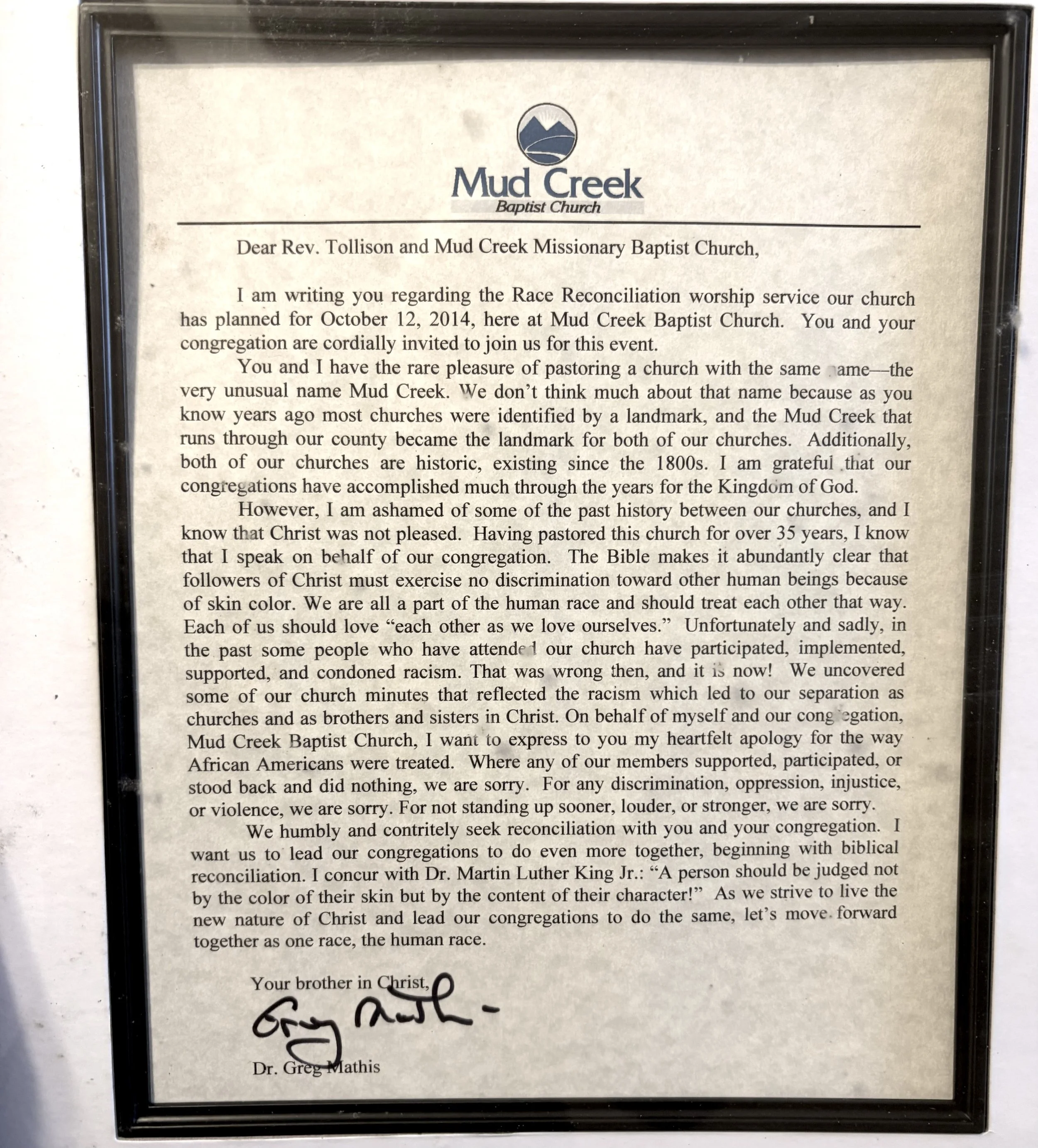
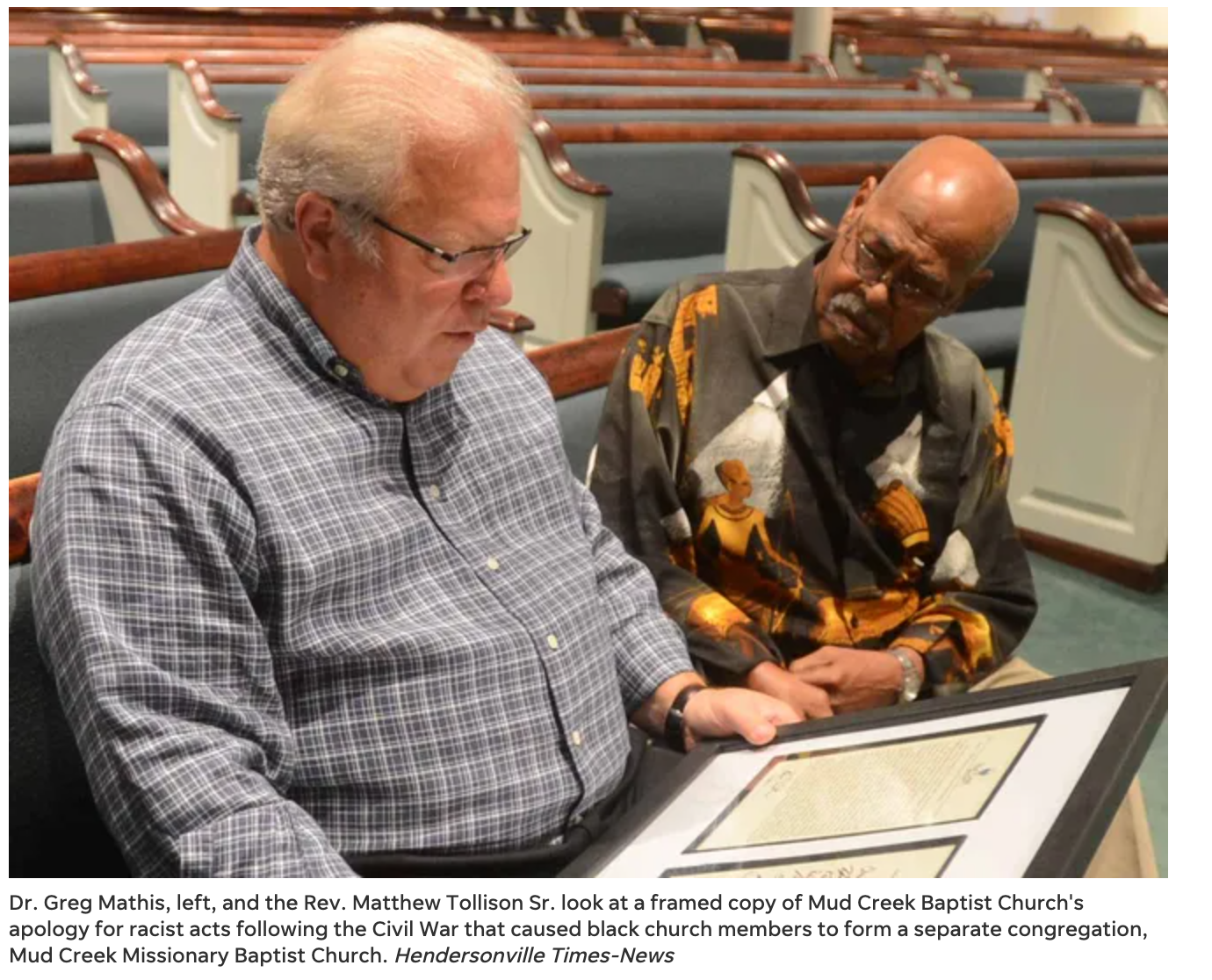
In October 2014, nearly 147 years after Black members had been confined to the back pews of Mud Creek Baptist Church - what Wanda affectionately calls “Big Mud Creek” - the white congregation formally apologized for its racist past.
The service was held in “Big Mud Creek’s” sanctuary and members of Mud Creek Missionary Baptist were guests of honor. A framed letter of apology was presented, and words of repentance and reconciliation were spoken aloud. Words that acknowledged history rather than sidestepping it.
For a small church born out of exclusion in 1867, the moment carried weight. The apology did not erase history. It did not undo the brush arbors or the back pews. But it acknowledged them. Healing, like faith, often grows slowly, through listening, showing up, and by standing together in spaces that once divided. And sometimes it begins simply by saying what should have been said long ago.
Mud Creek Missionary Baptist Church began with people who were told where they could sit. It endured because they chose to stand - and then to build. They built a covenant. They built a sanctuary. They built a community that would outlast them.
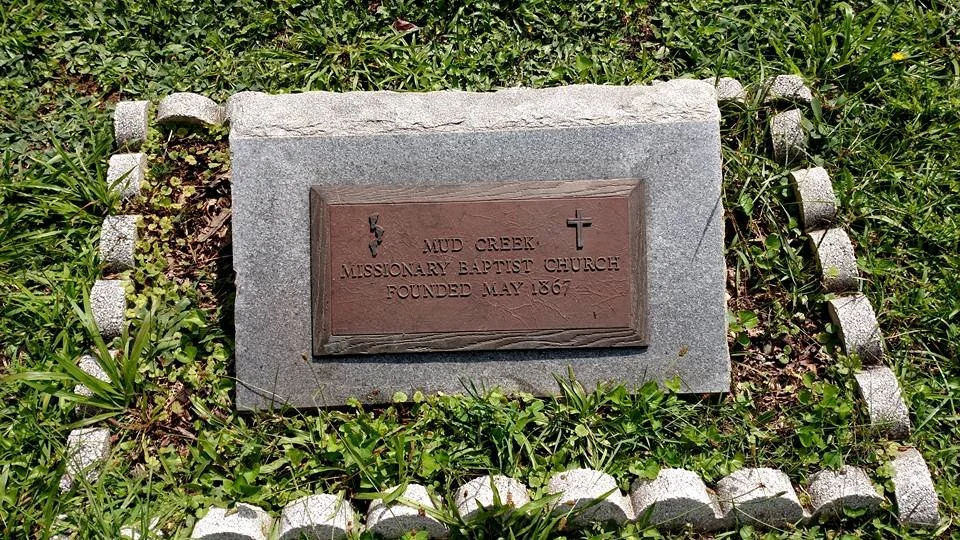
Today, the sanctuary is small. The numbers are modest. The world beyond its doors has changed in ways Caesar and Venus could not have imagined. But the covenant remains. The singing still rises. The old wooden pews in the back still hold memory. The keeper and caretaker still unlocks the door.
Most importantly, the story of Mud Creek Missionary Baptist Church continues. Not loudly. But faithfully.
Sources:
Under Their Own Vine and Fig Tree: The History of Mud Creek Missionary Baptist Church, 1867-2002. Linda Parramore Culpepper.
Mud Creek Missionary Baptist Church, Gary Franklin Green, https://blackhistories.org
Blue Ridge Now, Church seeks reconciliation with Mud Creek Missionary Baptist, Beth Beasley. Link.
Blue Ridge Now, Beyond the Banks: The little Mud Creek Church, Terry Ruscin, Link
Mud Creek Missionary Baptist Church Archives, Courtesy of Wanda Horne.
Baltimore Sun. Historic church in N.C. struggles to survive, Link.
Additional Resource
”To Protect and Preserve", Historic Flat Rock’s Legacy to Keep is available to stream on Vimeo On Demand. To learn more, click on the link to view the trailer to find out more. https://vimeo.com/ondemand/toprotectandpreserve
A limited quantity of Blu-Ray DVDs are available to purchase for those who may wish to add this documentary to their collections, library, or archive. Blu-Ray DVDs are available for $25.00 + tax.
To learn more, please contact:
One Life, One Legacy® Films
www.onelifeonelegacy.net
Studio: 828-698-4555
OLOL Vimeo Film Channel: https://vimeo.com/showcase/onelifeonelegacyfilms
Follow on Facebook: https://www.facebook.com/onelifeonelegacyfilms