Local History Fair
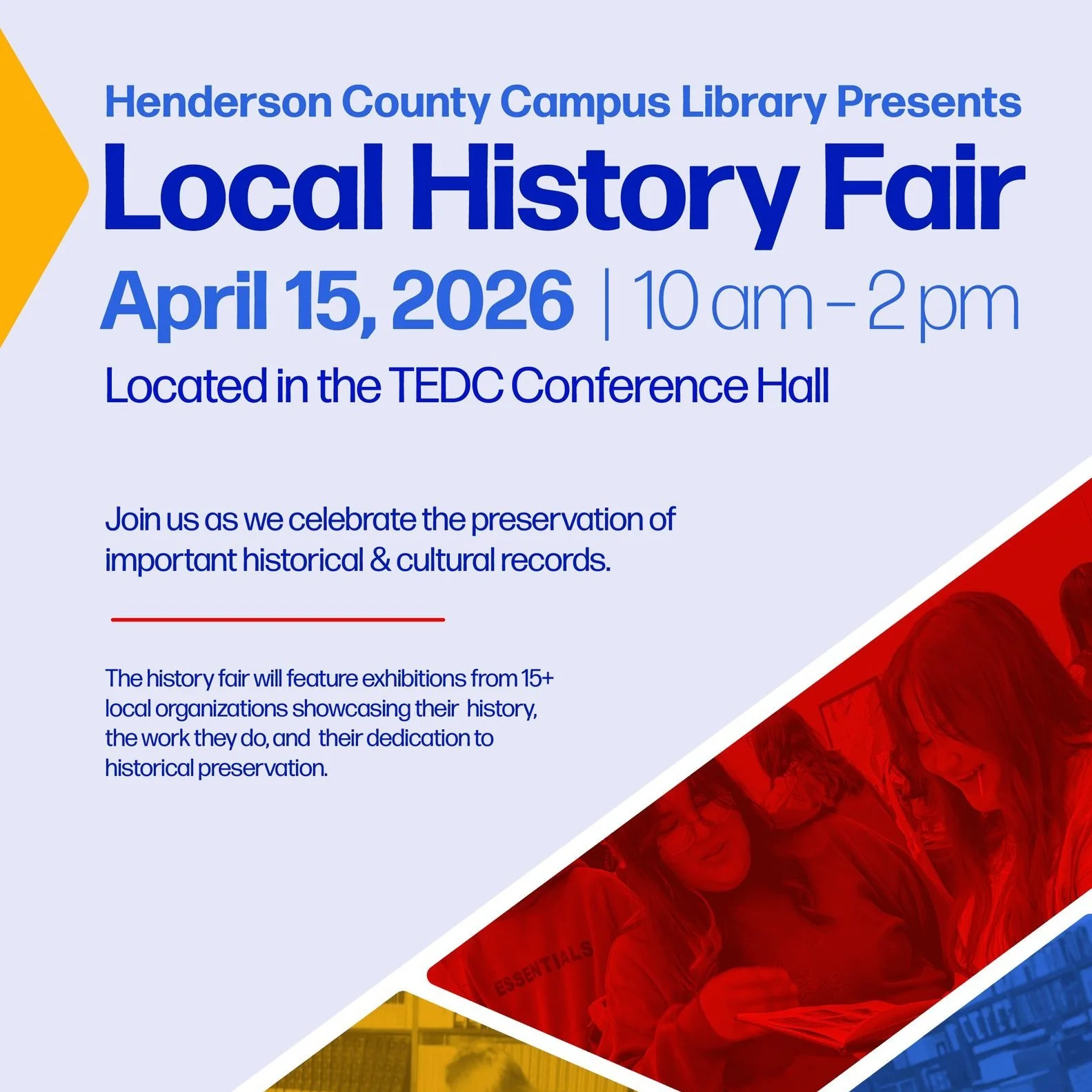
At the Local History Fair hosted by the BRCC Library earlier this week, visitors moved from one display to the next, picking up brochures, asking questions, and swapping stories. It quickly became clear this was more than a gathering of organizations. It was a room full of people deeply invested in preserving the history of Western North Carolina.
The fair was the creation of Rachel Quinn, Instruction and Archives Librarian at Blue Ridge Community College, who since 2023 has been building the college’s Archives and Special Collections into a growing regional resource. In that role, she saw how many groups - large and small, formal and volunteer-driven - are working, often independently, to preserve different aspects of local history. Bringing them together in one place, she realized, would make those resources far more visible and accessible.
As Quinn describes it, the event draws a mix of curious residents, students researching their communities, and individuals tracing family histories—all looking for a starting point. “One of the beauties of Western North Carolina is the number of different organizations driven by passionate people wanting to preserve unique aspects of local history,” she says. “They’re all doing something different, and I wanted to bring them together into the same room.”
What follows is a look at the organizations represented at the fair, each contributing in its own way to preserving the region’s rich and varied past.
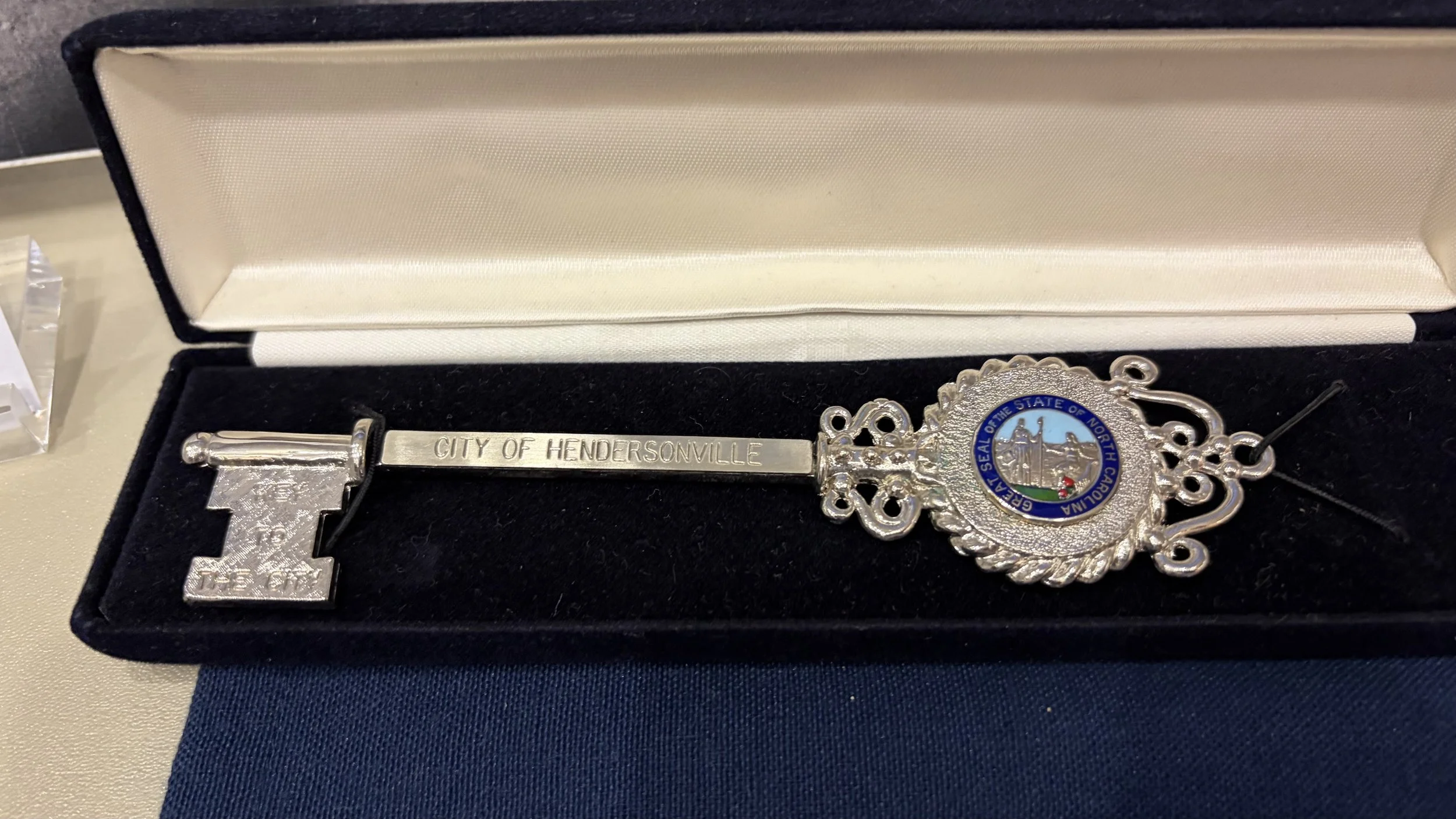
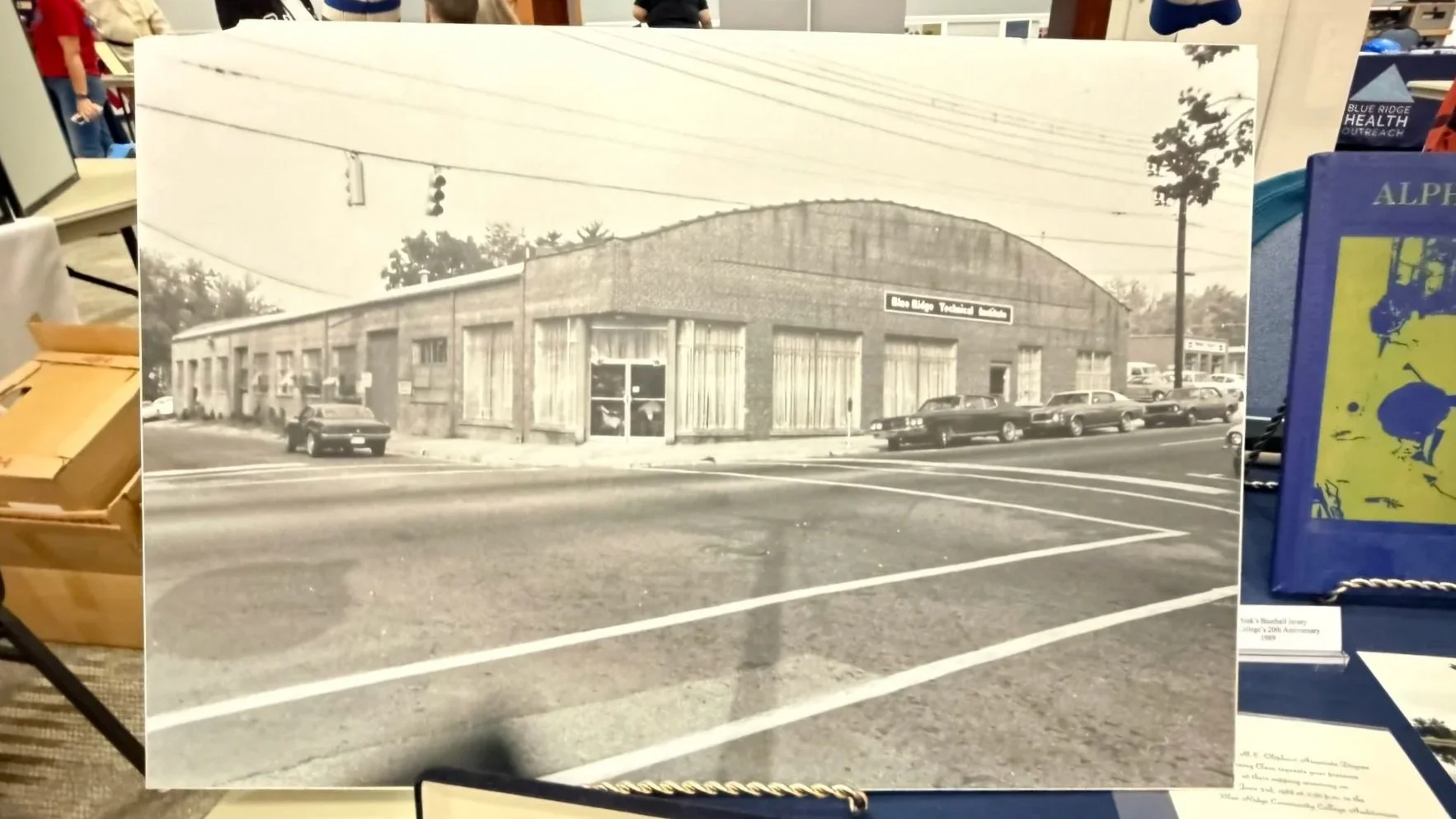
Blue Ridge Community College Archives and Special Collections
The Blue Ridge Community College Archive and Special Collections, established in January 2023 as part of the library’s local history initiative, serves as a growing research resource documenting both the history of the college and the surrounding region. Originally focused on collecting oral histories, the archive has expanded to include photographs, documents, books, newspaper articles, school regalia, and other materials that trace the college’s development from its founding in 1969 to the present, as well as the broader histories of Henderson, Transylvania, and Buncombe counties. Open to students, faculty, and the public, the archive provides access to primary source materials and supports preservation efforts through services such as oral history recording and digitization, helping to safeguard personal and community stories for future generations.
Learn more at:
https://www.blueridge.edu/services-support/student-life/library/blue-ridge-archive/
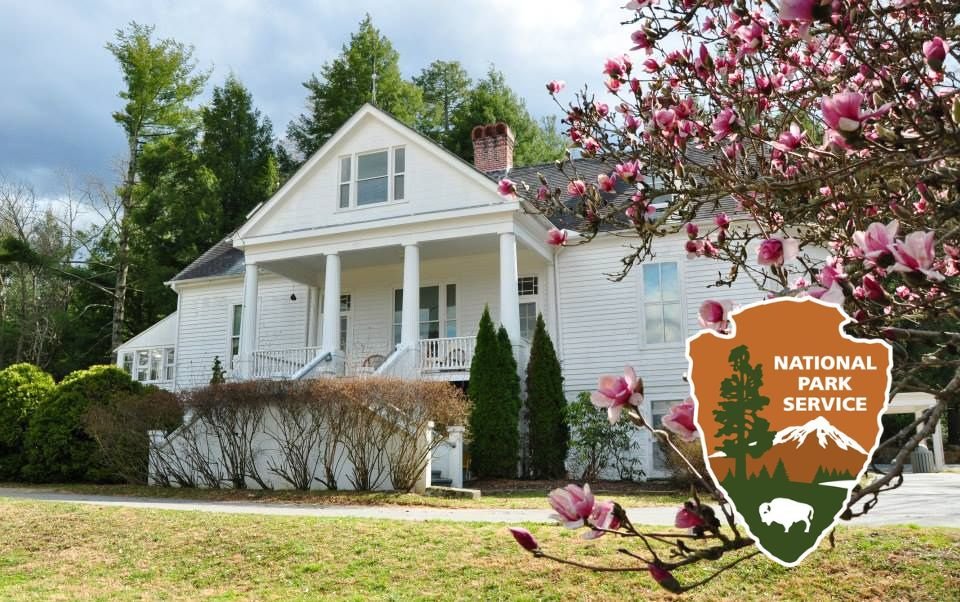
Carl Sandburg Home National Historic Site
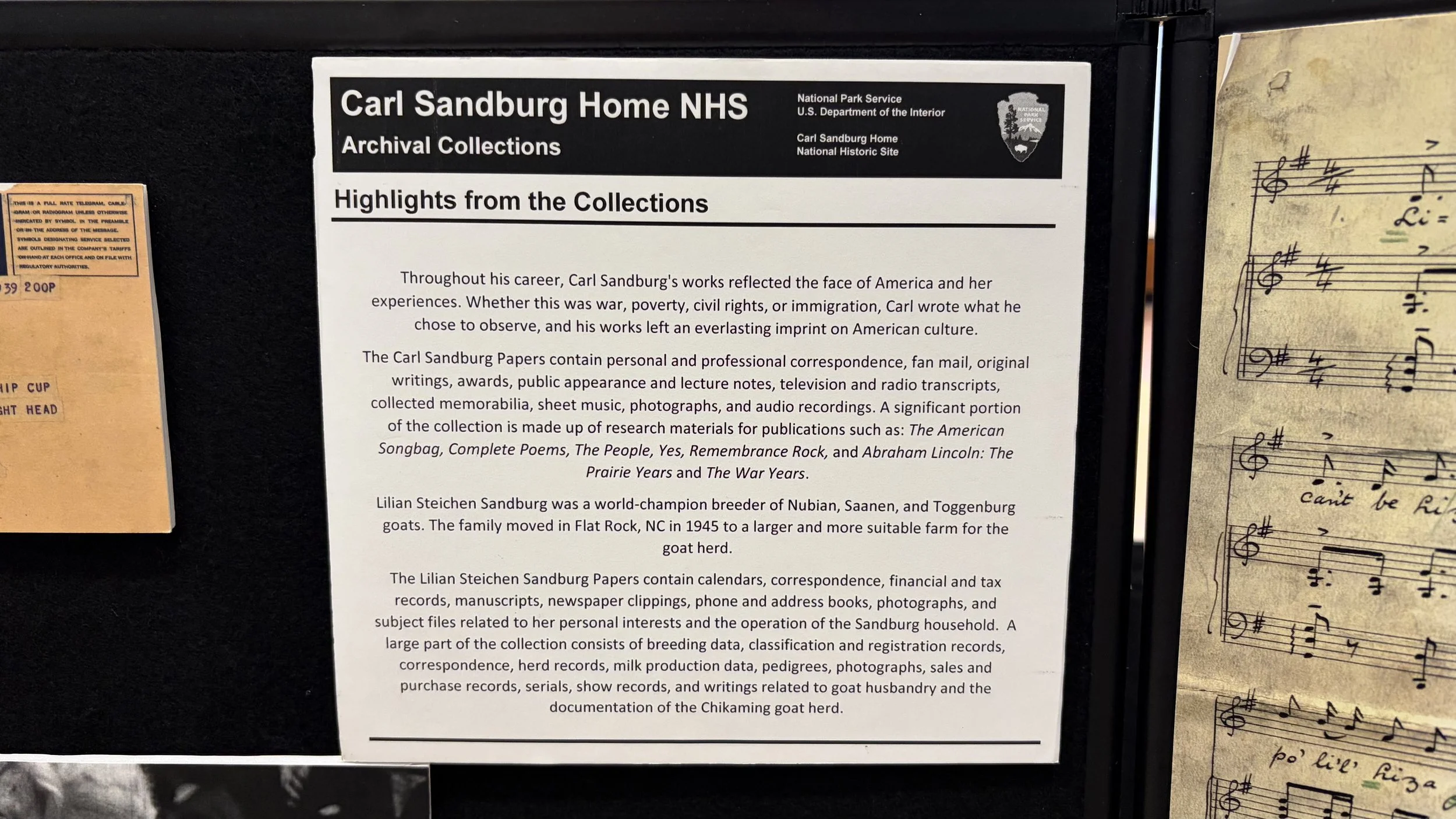
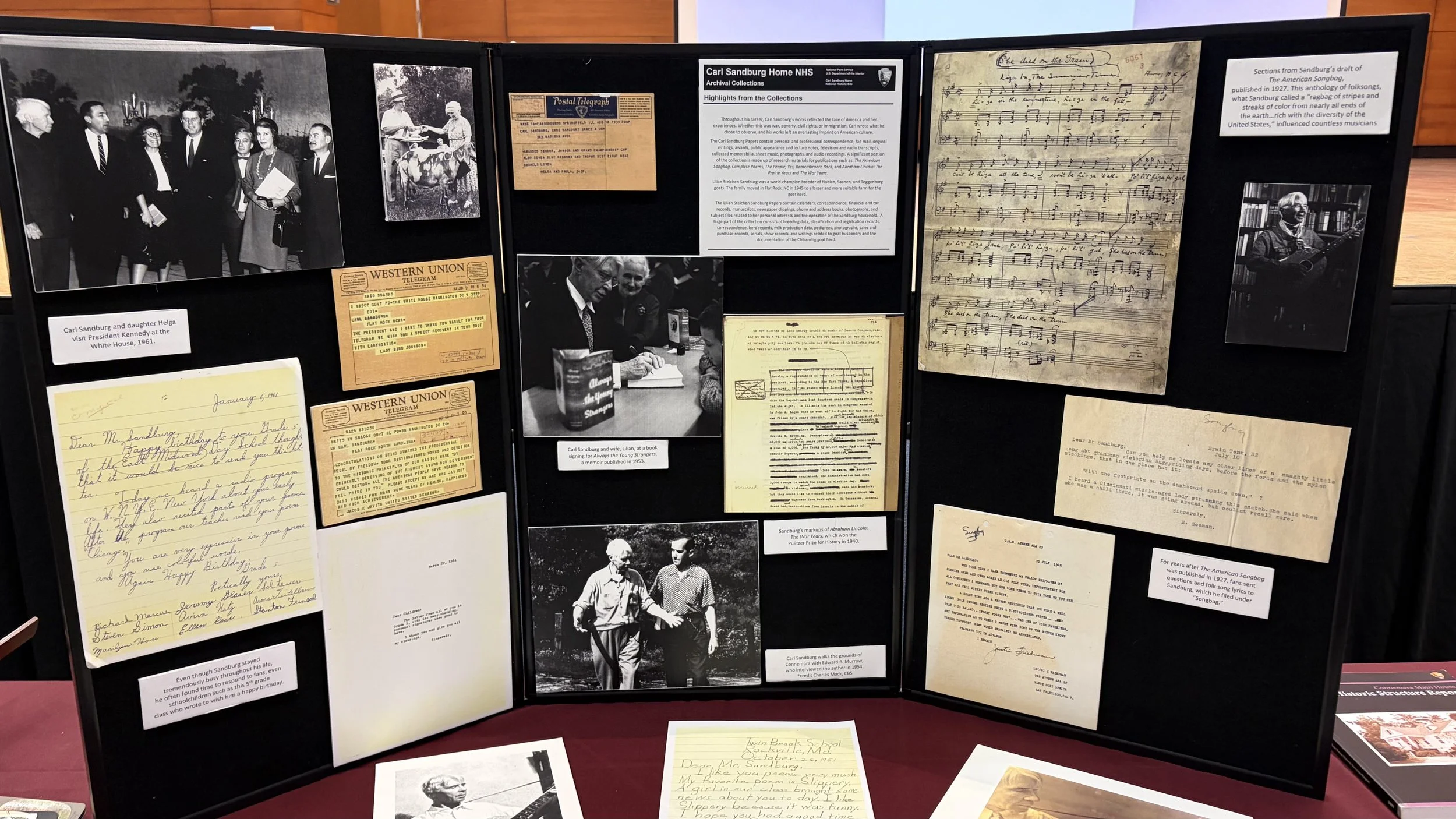
The Carl Sandburg Home National Historic Site preserves Connemara, the Flat Rock estate of Pulitzer Prize–winning poet and writer Carl Sandburg, where he lived from 1945 until his death in 1967. Operated by the National Park Service, the site offers visitors a glimpse into Sandburg’s life and legacy through tours of his home, extensive hiking trails, and the preservation of his wife Lilian’s renowned goat farm. The park also houses Sandburg’s vast literary collection and promotes his enduring contributions to American poetry, history, and folk music.

Historic Flat Rock, Inc
https://historicflatrockinc.com/
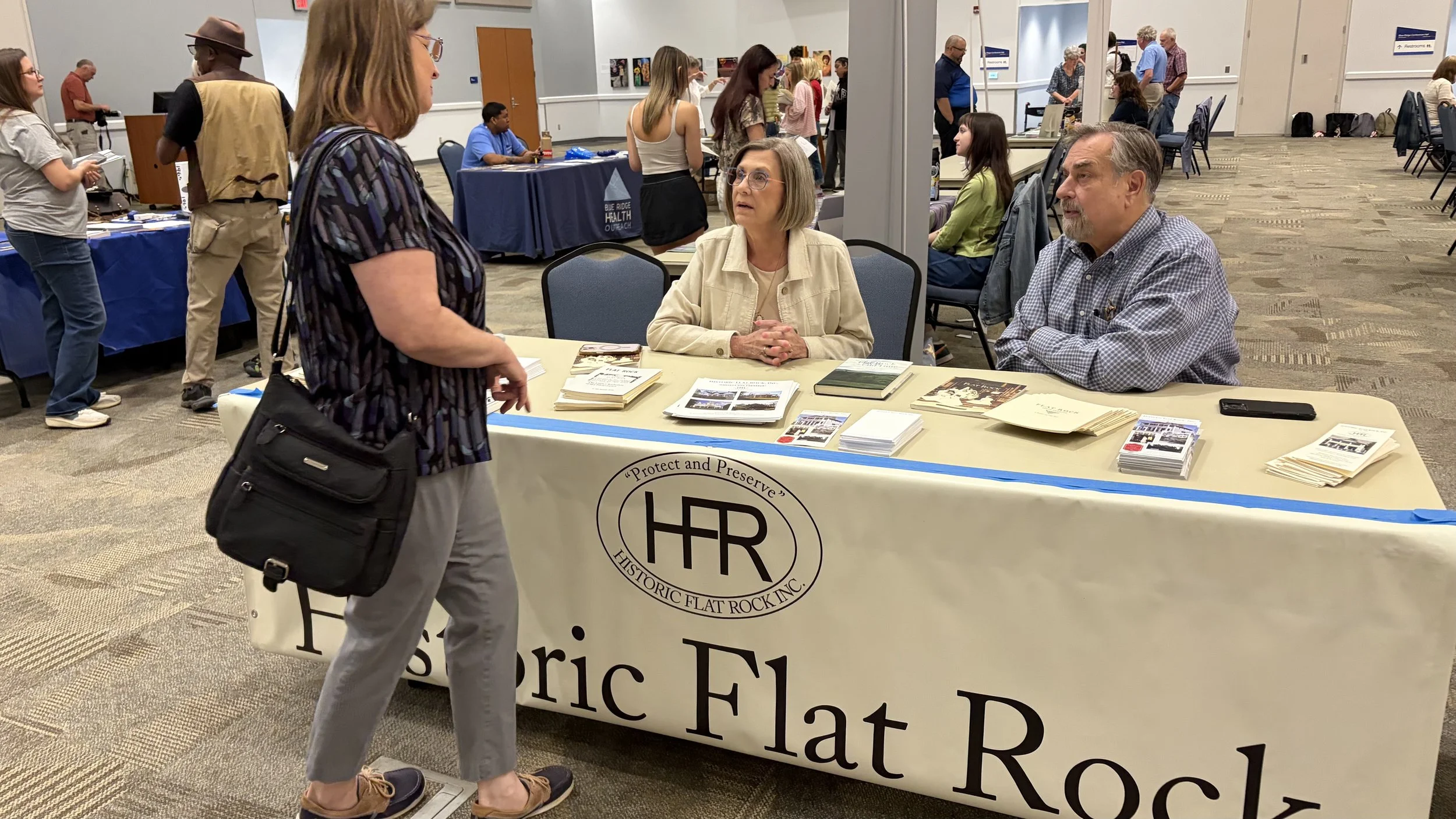
Historic Flat Rock, Inc. is a nonprofit organization committed to preserving the rich history and distinctive character of Flat Rock, North Carolina. Through advocacy, education, and publications, the organization works to protect historic properties, document local stories, and foster appreciation for the village’s cultural heritage. Its efforts help ensure that Flat Rock’s unique past remains a visible and valued part of the community.
Black History Research Group of Henderson County
https://blackhistories.org/
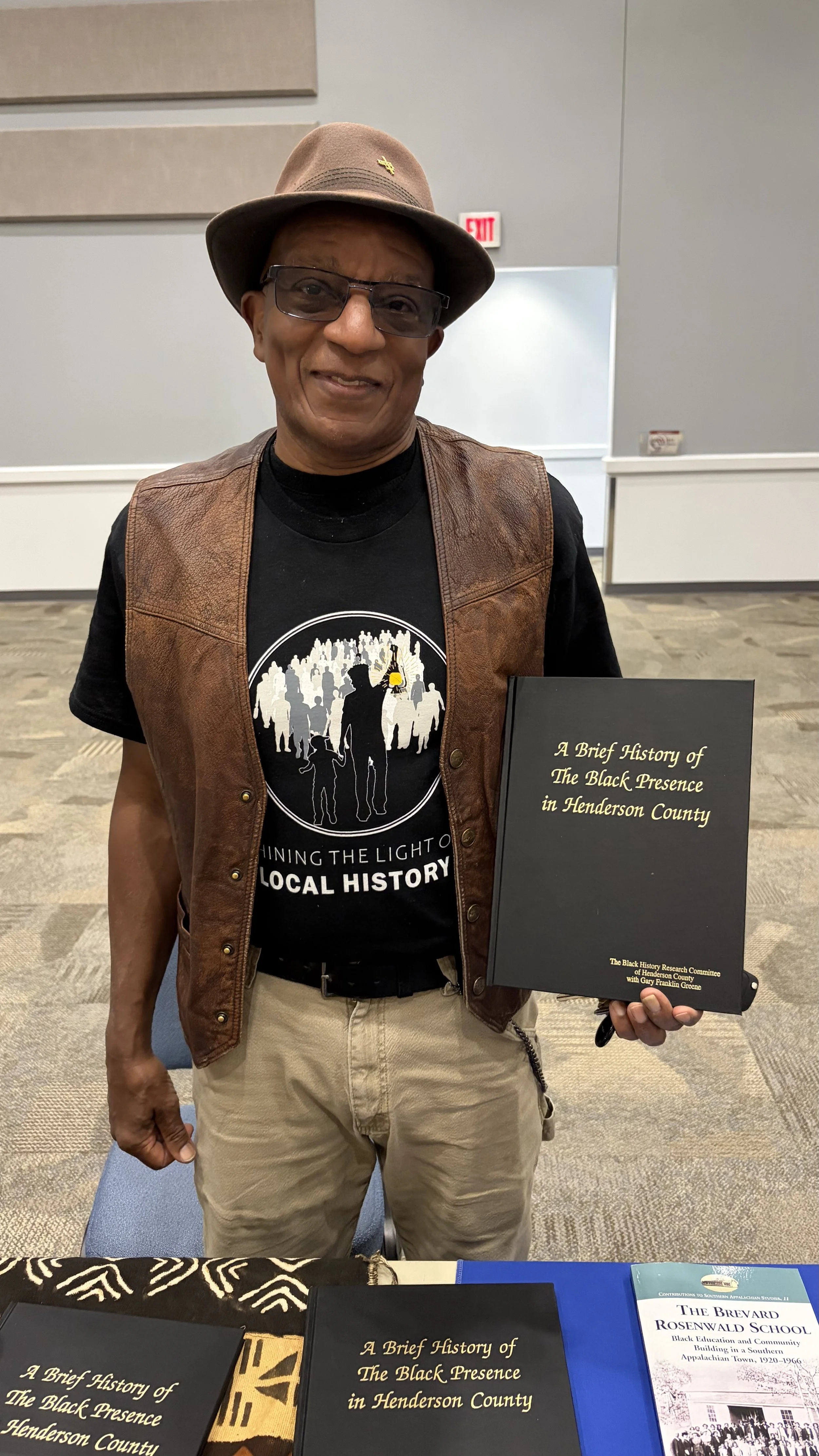
The Black History Research Group of Henderson County is committed to uncovering, preserving, and sharing the often-overlooked history of African American communities in the region. Through research, public programs, and community collaboration, the group works to document stories, collect historical materials, and ensure a more complete and inclusive understanding of local history. Their efforts play a vital role in broadening the historical narrative of Henderson County.


Genealogy Society at Flat Rock
https://genealogysocietyatfr.wixsite.com/website
The Genealogy Society at Flat Rock is dedicated to helping individuals explore and document their family histories, with a particular emphasis on local and regional roots. Through meetings, research assistance, and shared resources, the society provides guidance for both beginners and experienced genealogists. It also fosters a sense of community among those interested in preserving personal and collective histories.
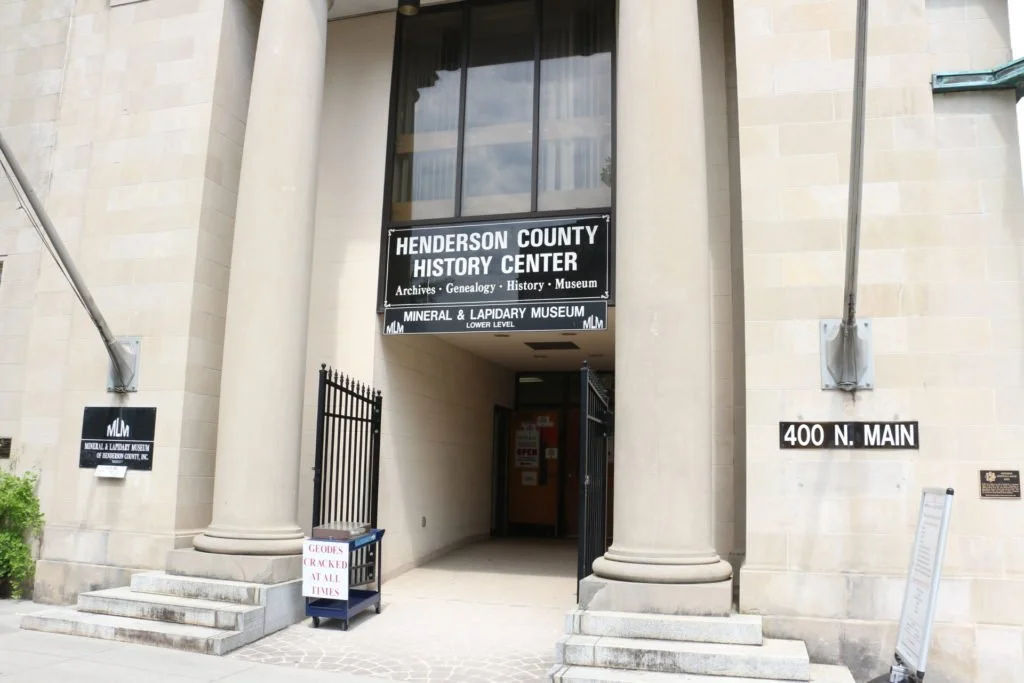
Henderson County Genealogical & Historical Society
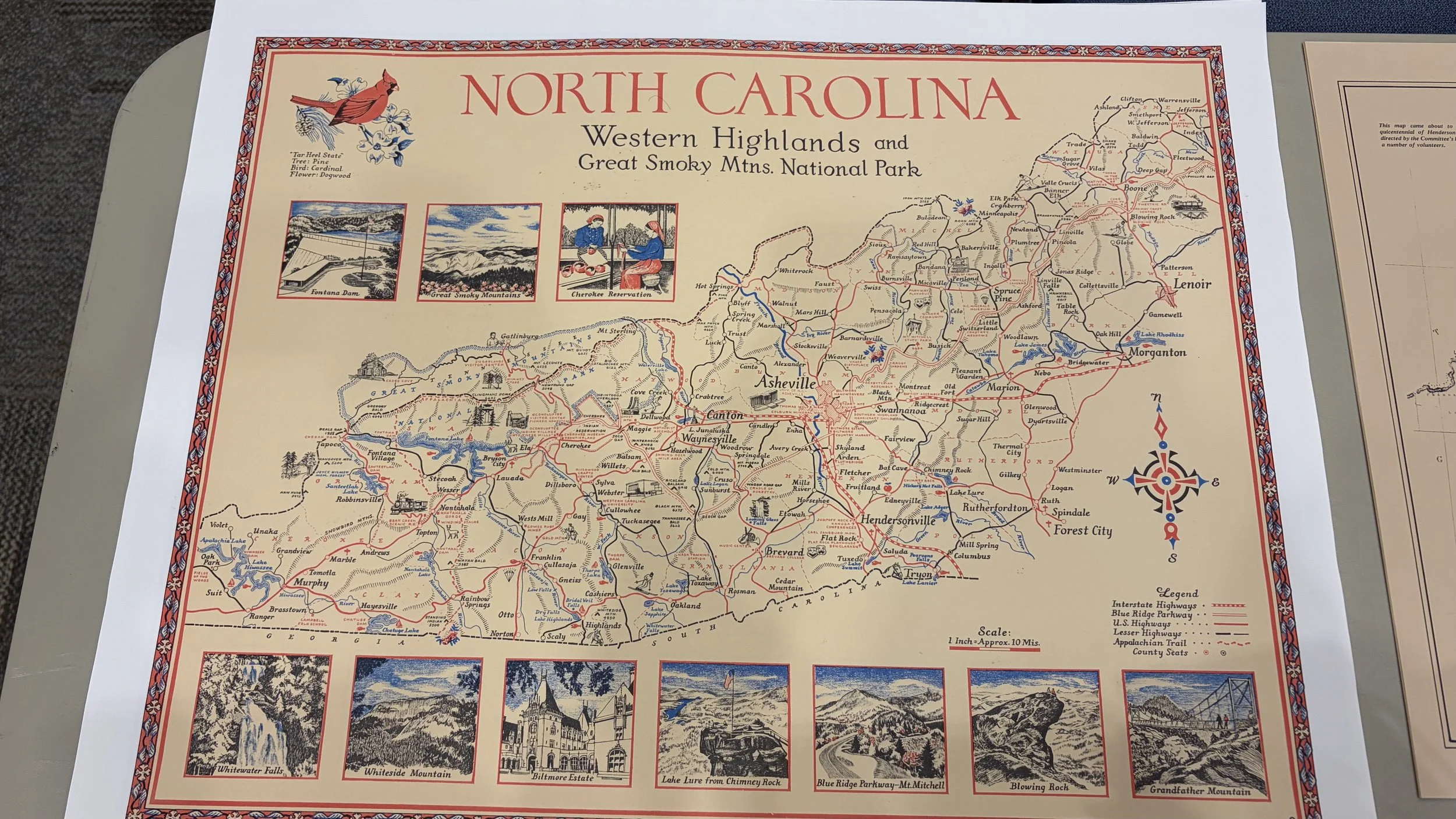
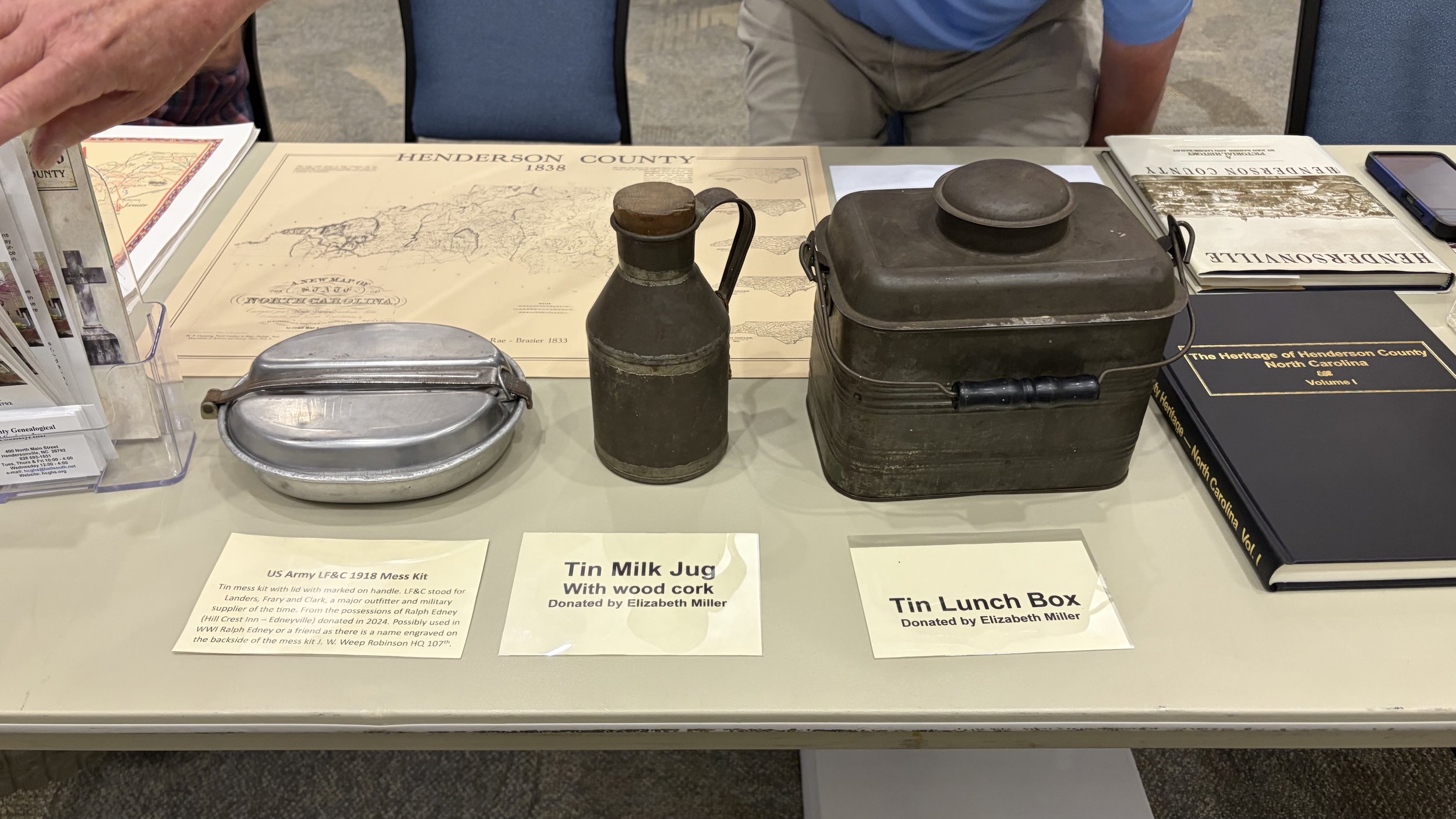
The Henderson County Genealogical & Historical Society works to preserve and promote the history of Henderson County while supporting individuals researching their family roots. The organization maintains extensive genealogical records, publications, and local history resources, and offers programs, workshops, and assistance to both novice and experienced researchers. It plays an important role in documenting the people and stories that have shaped the region.
Saluda Depot Museum
https://www.saludadepotmuseum.org/
The Saluda Depot Museum, located in the historic 1903 train depot in downtown Saluda, showcases the town’s rich railroad heritage, particularly its role along the steep and storied Saluda Grade. Through exhibits, artifacts, and photographs, the museum highlights the impact of rail travel on the development of the region, as well as local life, commerce, and culture. Staffed by knowledgeable volunteers, it serves as both a community gathering place and a resource for visitors interested in Saluda’s unique history.
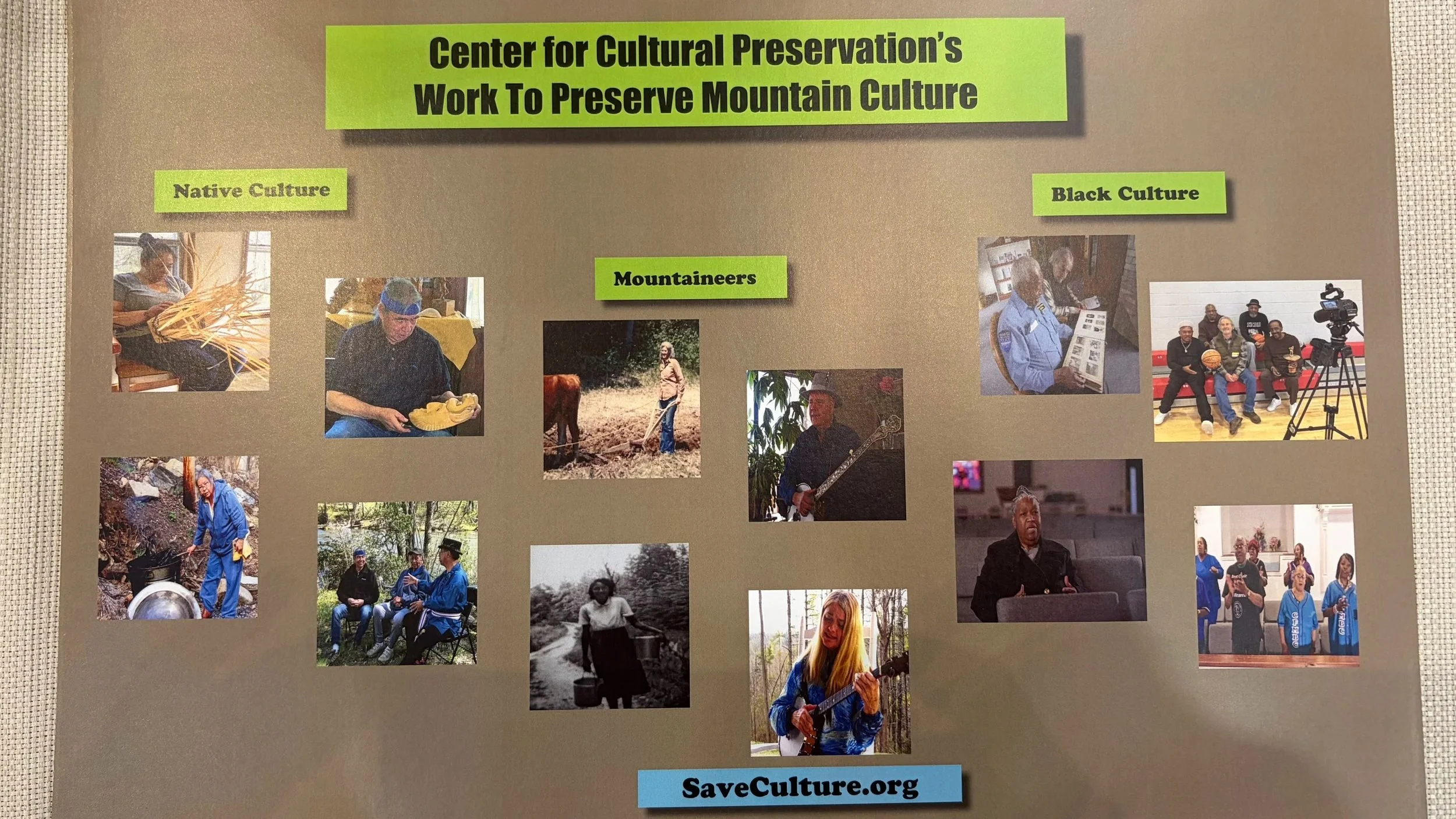
Center for Cultural Preservation, Inc.
The Center for Cultural Preservation is a nonprofit organization dedicated to documenting and sharing the history and heritage of Western North Carolina, with a particular focus on underrepresented communities. Through documentary filmmaking, oral history projects, and educational outreach, the organization works to preserve stories that might otherwise be lost. Its projects often explore themes of social change, education, and regional identity, helping connect past and present through compelling storytelling.

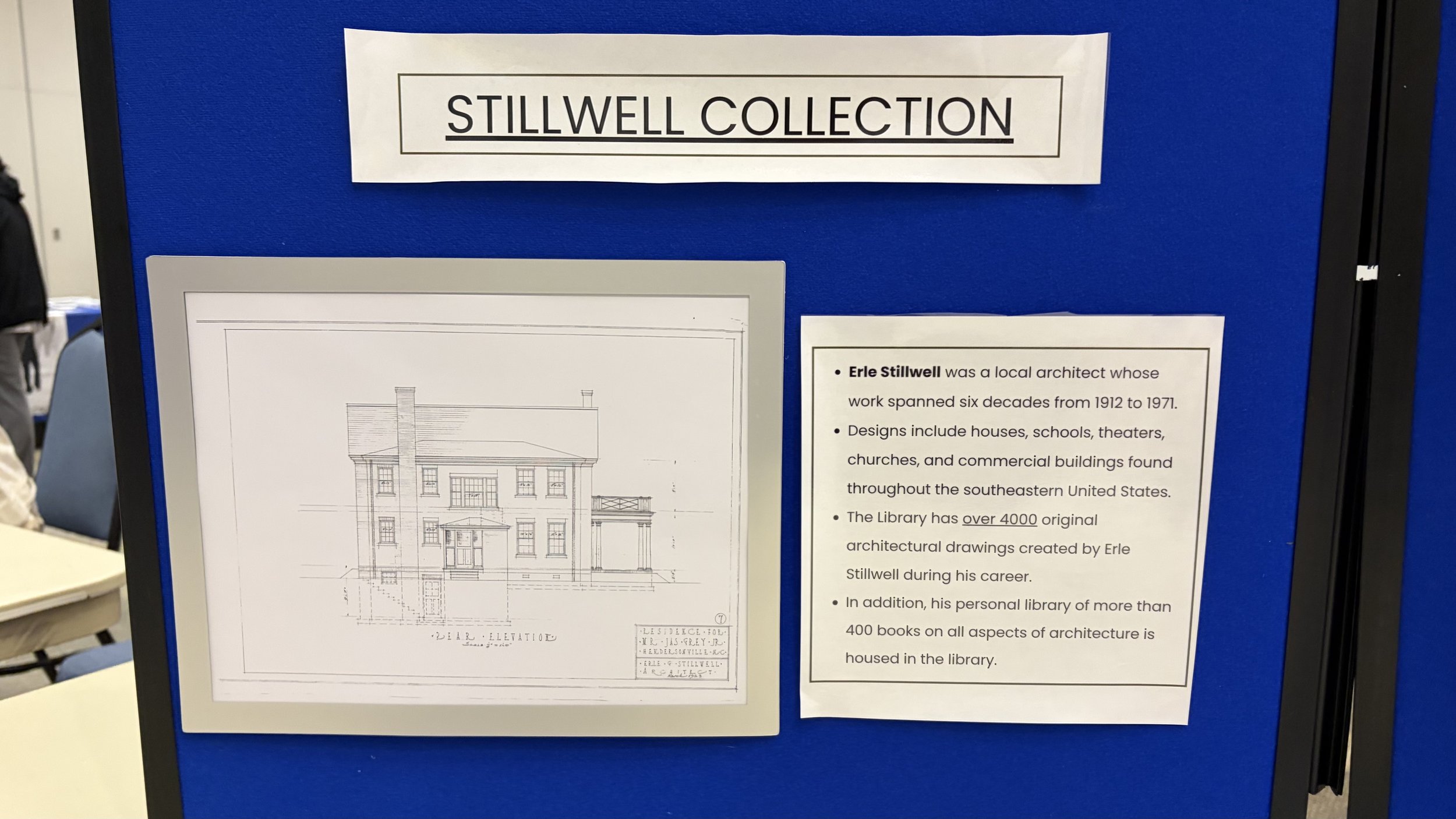
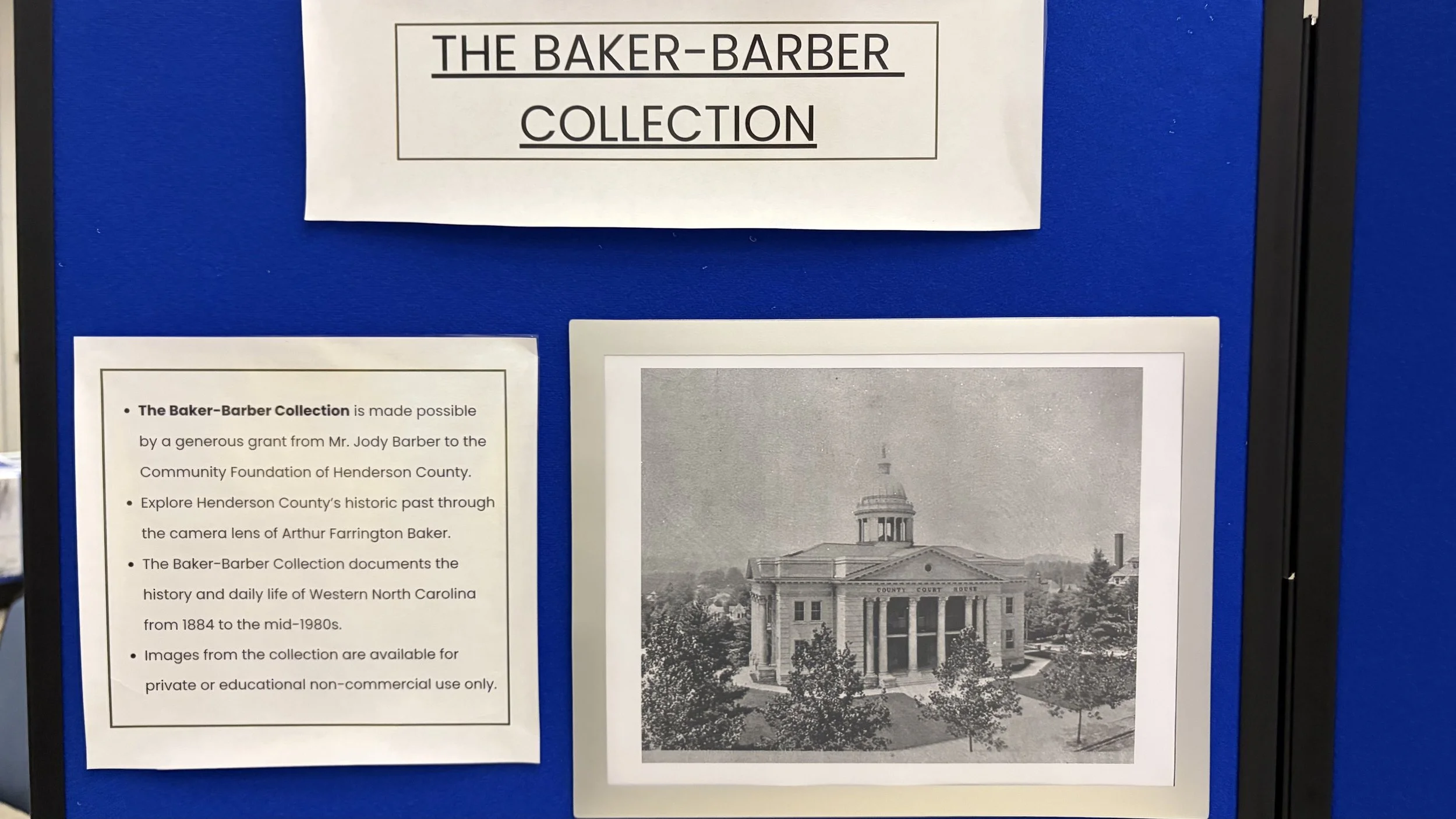
Henderson County Public Library
https://hendersonpl.libguides.com/GenealogyLocalHist
The Henderson County Public Library serves as a central hub for learning, research, and community engagement, offering far more than traditional lending services. In addition to books and digital media, the library provides access to local history and genealogy resources, educational programs, and public events. Through its archives and outreach efforts, it plays a key role in preserving and sharing the cultural and historical story of Henderson County.
Historic Johnson Farm
https://www.hendersoncountypublicschoolsnc.org/johnson-farm/
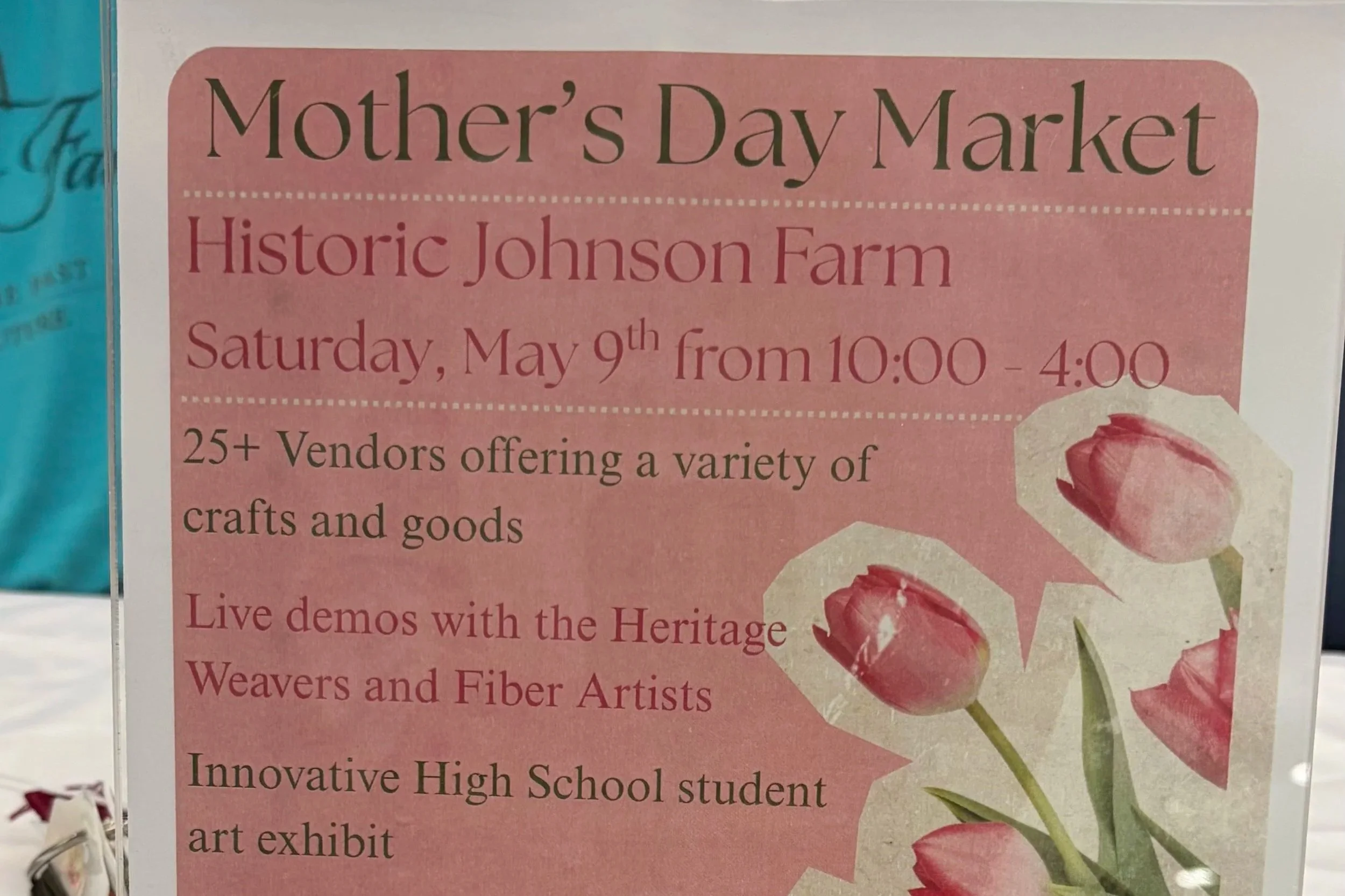
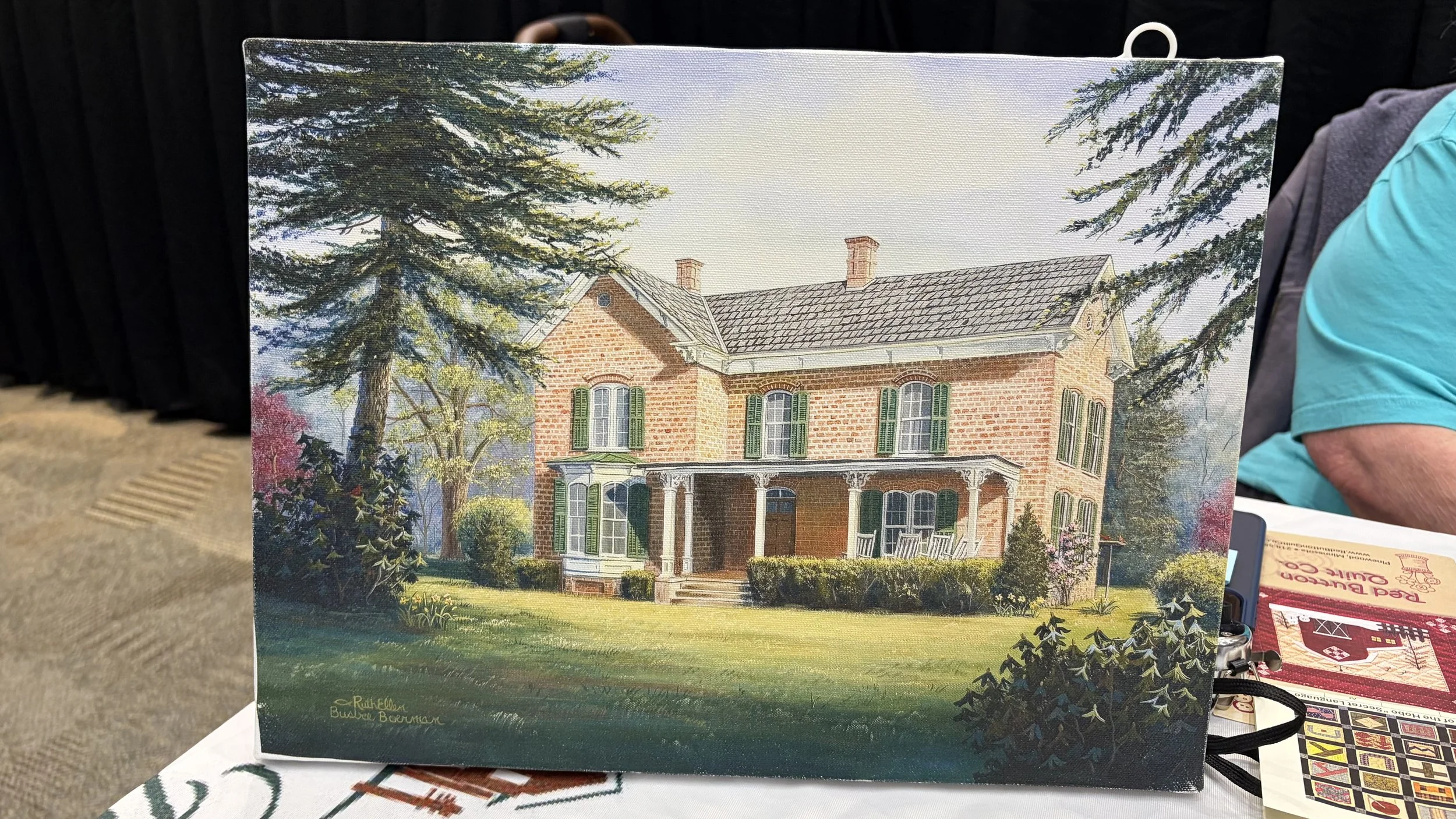
Historic Johnson Farm is a preserved 19th-century farmstead that operates as an educational site within Henderson County Public Schools. The property includes historic buildings, farmland, and nature trails, offering students and visitors hands-on opportunities to explore agricultural life, local history, and environmental stewardship. Through field trips, special programs, and seasonal events, the farm brings history to life while emphasizing the region’s rural heritage.
Thomas Wolfe Memorial State Historic Site
The Thomas Wolfe Memorial in Asheville preserves the childhood home of renowned American author Thomas Wolfe, best known for Look Homeward, Angel. The site interprets Wolfe’s life and literary legacy through guided tours, exhibits, and educational programming, placing his work in the context of early 20th-century Asheville. It serves as both a literary landmark and a window into the cultural history that shaped one of North Carolina’s most influential writers.
Buncombe County Special Collections
https://specialcollections.buncombenc.gov/
Buncombe County Special Collections, part of the county’s public library system, preserves and provides access to materials documenting the history of Buncombe County and the surrounding region. Its holdings include photographs, manuscripts, maps, city directories, newspapers, and genealogical records, making it an essential resource for researchers, historians, and residents interested in local heritage. The collection supports both in-person and remote research, helping connect the community with its past.
Asheville Museum of History
https://www.ashevillehistory.org/
The Asheville Museum of History is dedicated to collecting, preserving, and interpreting the history of Asheville and Buncombe County. Located in the historic Smith-McDowell House, the museum presents rotating exhibits, educational programs, and community events that explore the region’s past from its earliest inhabitants to the present day. It serves as a cultural anchor for understanding how Asheville has evolved over time.
Western Regional Archives
https://archives.ncdcr.gov/researchers/western-regional-archives
The Western Regional Archives, part of the North Carolina State Archives, houses government records and historical materials from counties across the western part of the state. Its collections include court records, land grants, vital records, and other official documents that are invaluable for historical and genealogical research. By preserving these materials and making them accessible to the public, the archives support a deeper understanding of North Carolina’s regional history.

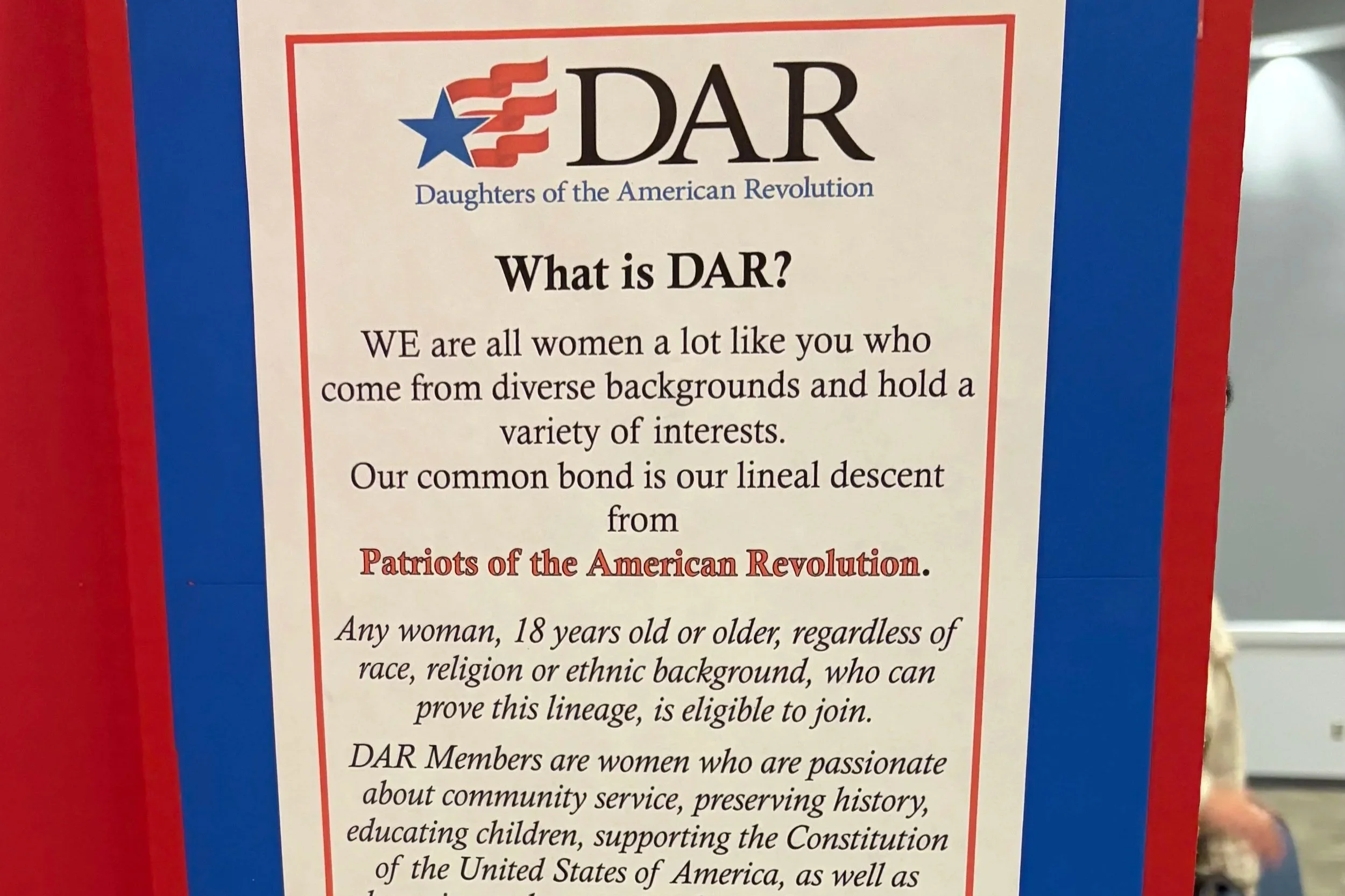
Abraham Kuykendall NSDAR Chapter
https://abrahamkuykendall.ncdar.org/
The Abraham Kuykendall Chapter of the National Society Daughters of the American Revolution is a service organization focused on historic preservation, education, and patriotism. The chapter works to honor Revolutionary War patriots, support local history initiatives, and promote civic engagement through programs, scholarships, and community involvement. Its members are active in preserving historical sites and encouraging interest in American heritage.
Sons of the American Revolution, Blue Ridge Chapter
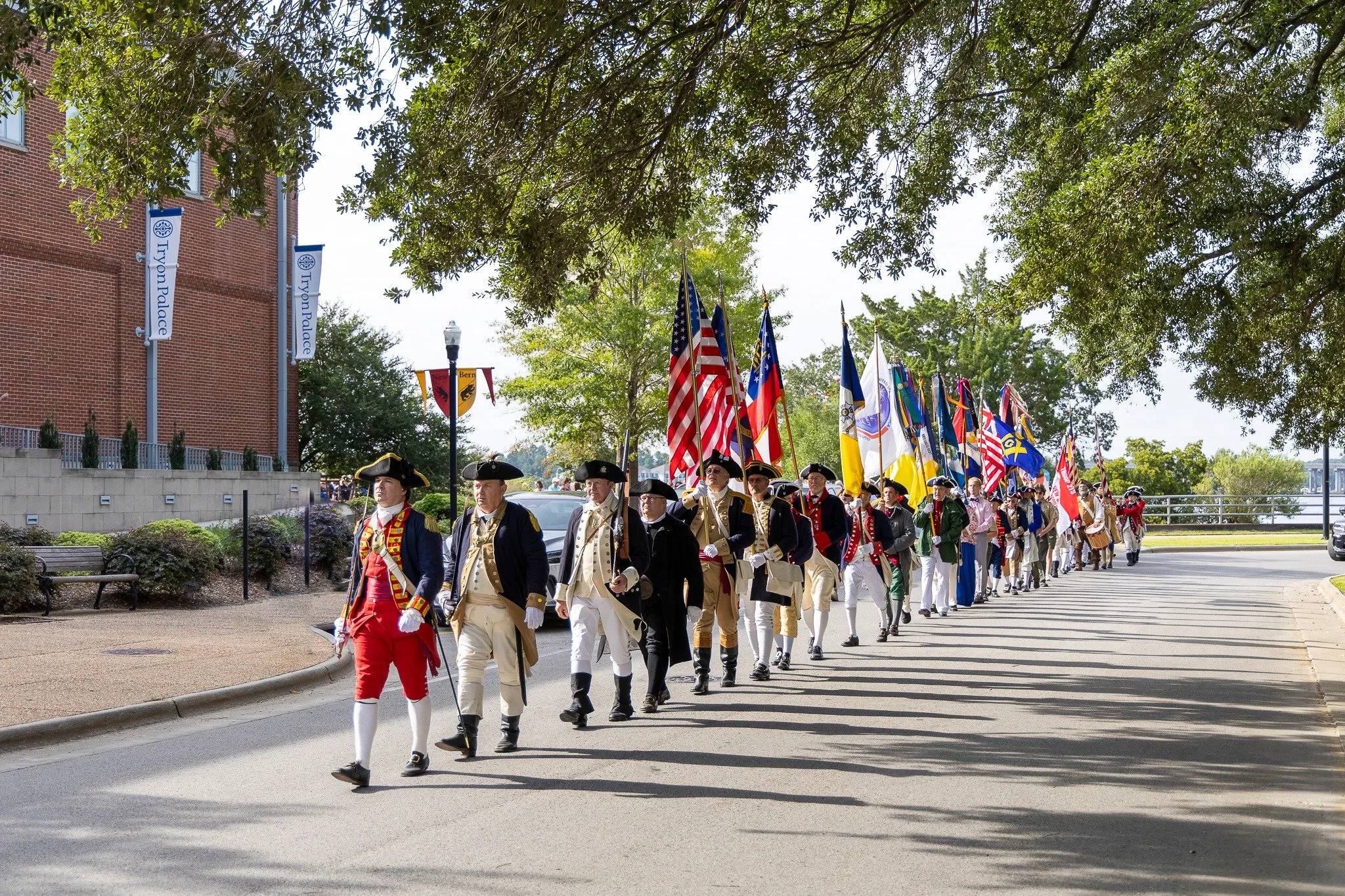
https://ncssar.org/chapters/blue-ridge/
The Blue Ridge Chapter of the Sons of the American Revolution is a lineage-based organization dedicated to preserving the history and ideals of the American Revolution. Through educational programs, public ceremonies, and community service, the chapter promotes patriotism and historical awareness while honoring the contributions of Revolutionary War patriots. Its members are actively involved in outreach efforts that connect local communities with early American history.
Swannanoa Valley Museum and History Center
https://history.swannanoavalleymuseum.org/
The Swannanoa Valley Museum and History Center is dedicated to preserving and interpreting the history of the Swannanoa Valley and surrounding communities. Located in a historic firehouse in Black Mountain, the museum features exhibits, educational programs, and guided hikes that explore local heritage, including Native American history, early settlement, and regional development. It serves as both a museum and a community resource for historical engagement.

Hendersonville History Walks
https://visithendersonvillenc.org/businesses/guided-history-walks
Hendersonville History Walks offers guided tours that bring the city’s past to life through engaging storytelling and firsthand exploration of historic sites. Led by knowledgeable guides, these walks highlight notable people, architecture, and events that have shaped Hendersonville over time. The experience provides both residents and visitors with a deeper appreciation of the town’s heritage in an accessible, immersive way.
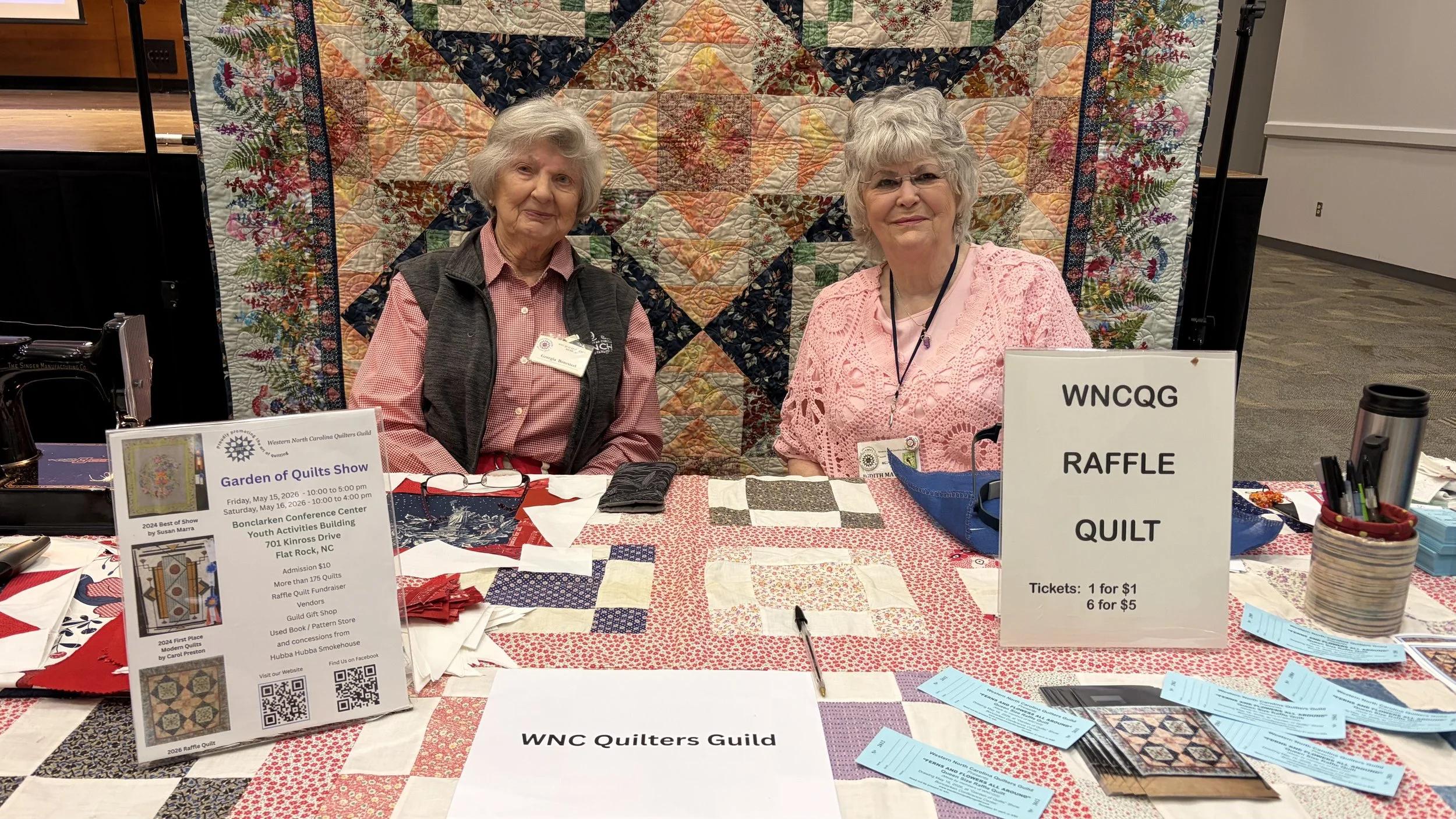
WNC Quilters Guild
https://westernncquilters.org/
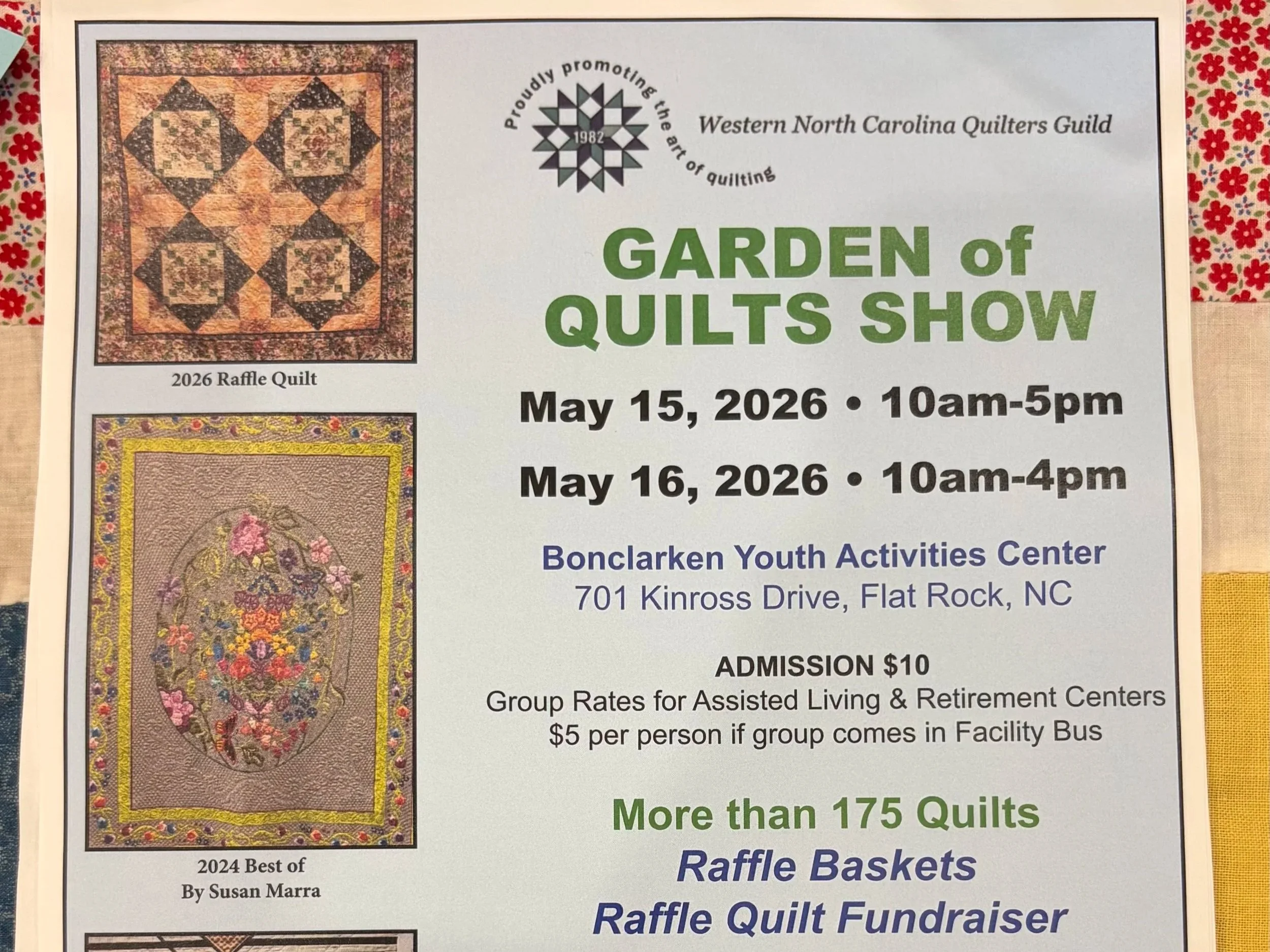
The Western North Carolina Quilters Guild is a nonprofit organization that promotes the art and tradition of quilting while serving as a resource for both makers and those interested in textile history. Through monthly meetings, workshops led by regional and national experts, and a lending library of books and materials, the guild provides opportunities for education, skill-building, and the exchange of techniques. In addition to showcasing contemporary work through exhibits and biennial quilt shows, the guild contributes to the preservation of cultural traditions by sustaining quilting practices that often reflect personal, regional, and historical narratives. Its community service efforts—including the donation of handmade quilts to local charities—further connect this traditional craft to the lived experiences and stories of the region.