WNC Air Museum
Several times a week, on my way to work at a local nonprofit, I pass a small, easy-to-miss sign at the corner of Shepherd Street and Brooklyn Avenue near the campus of Blue Ridge Community College. It simply reads: “WNC Air Museum.” For seven years, I’ve driven past it without a second thought.
Until this week.
Curiosity finally got the better of me, and one afternoon after work, I turned down that side road to see what I had been overlooking all this time. I expected a quiet, modest space - maybe a plane or two, and a surprised volunteer wondering how I’d found the place.
What I discovered instead was something far beyond anything I had imagined.
About the Museum
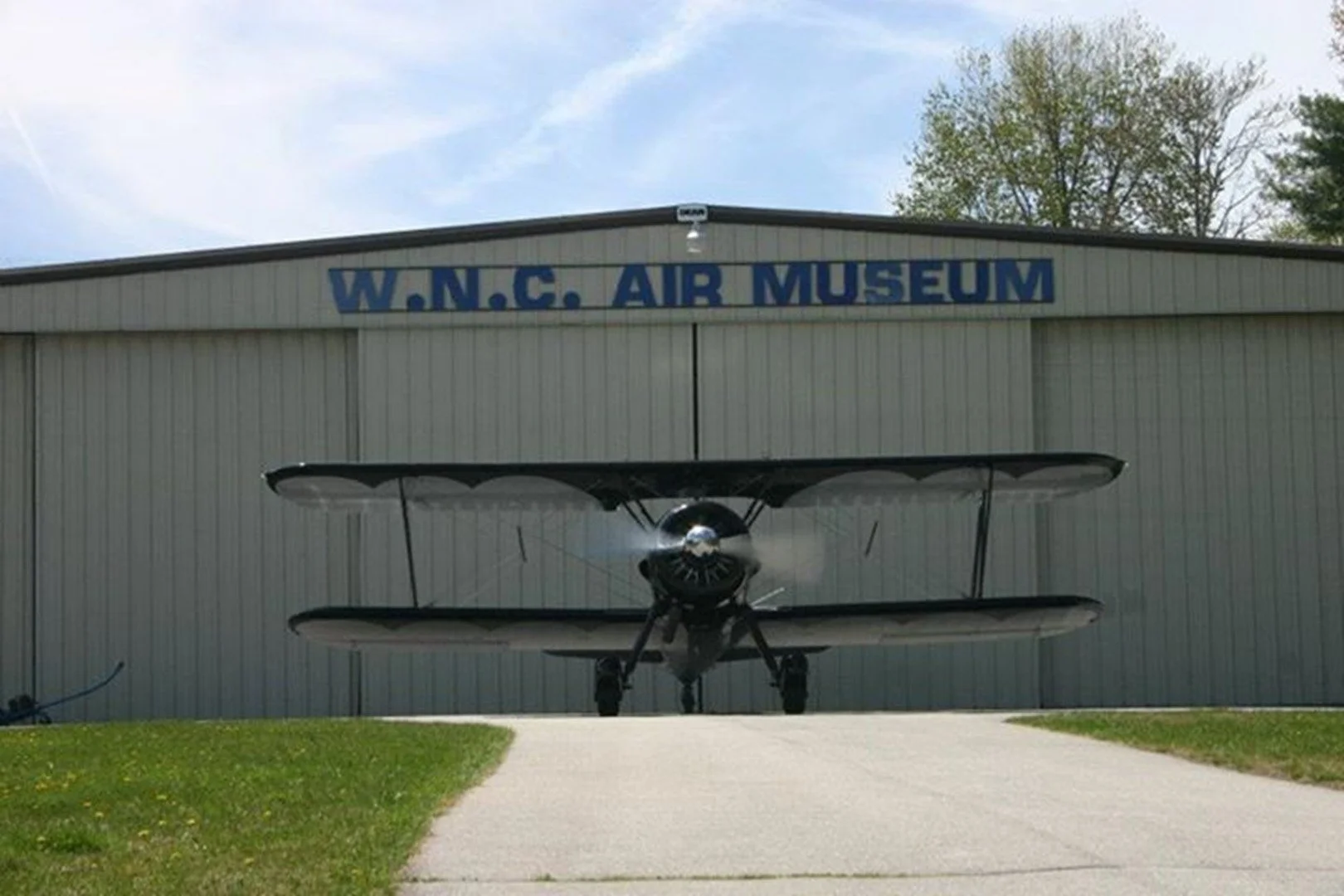
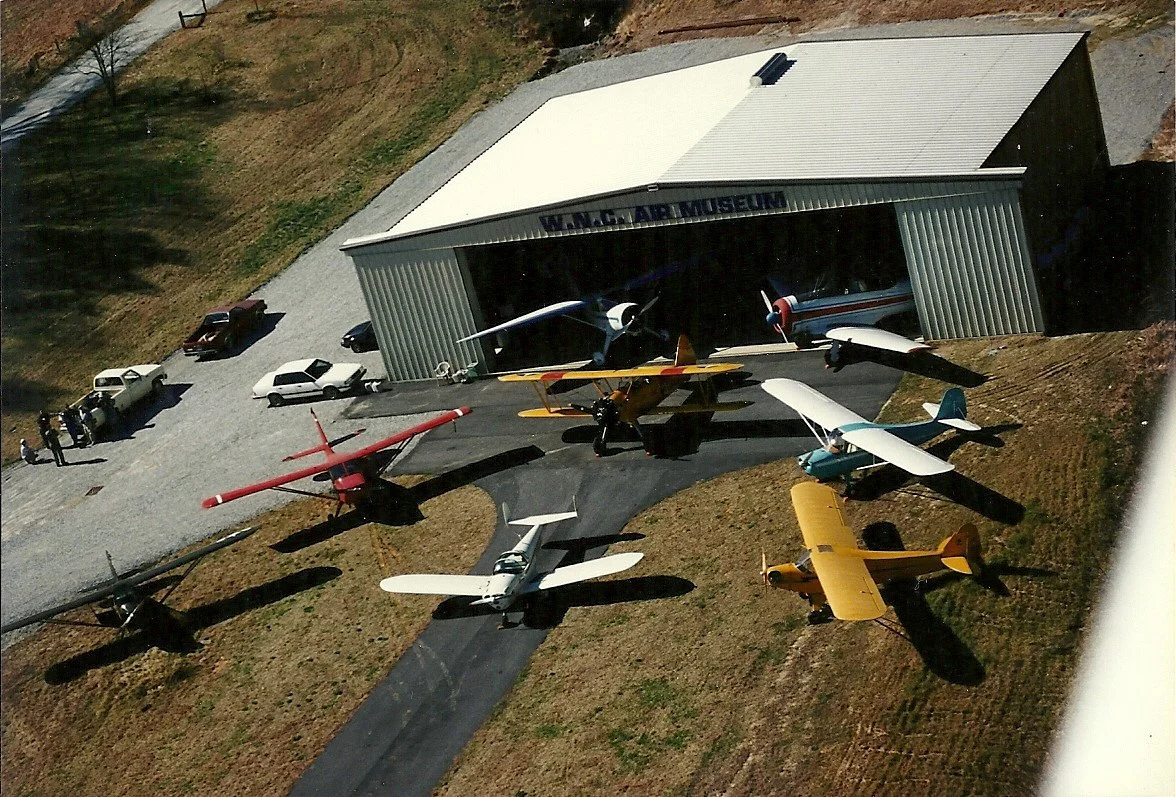
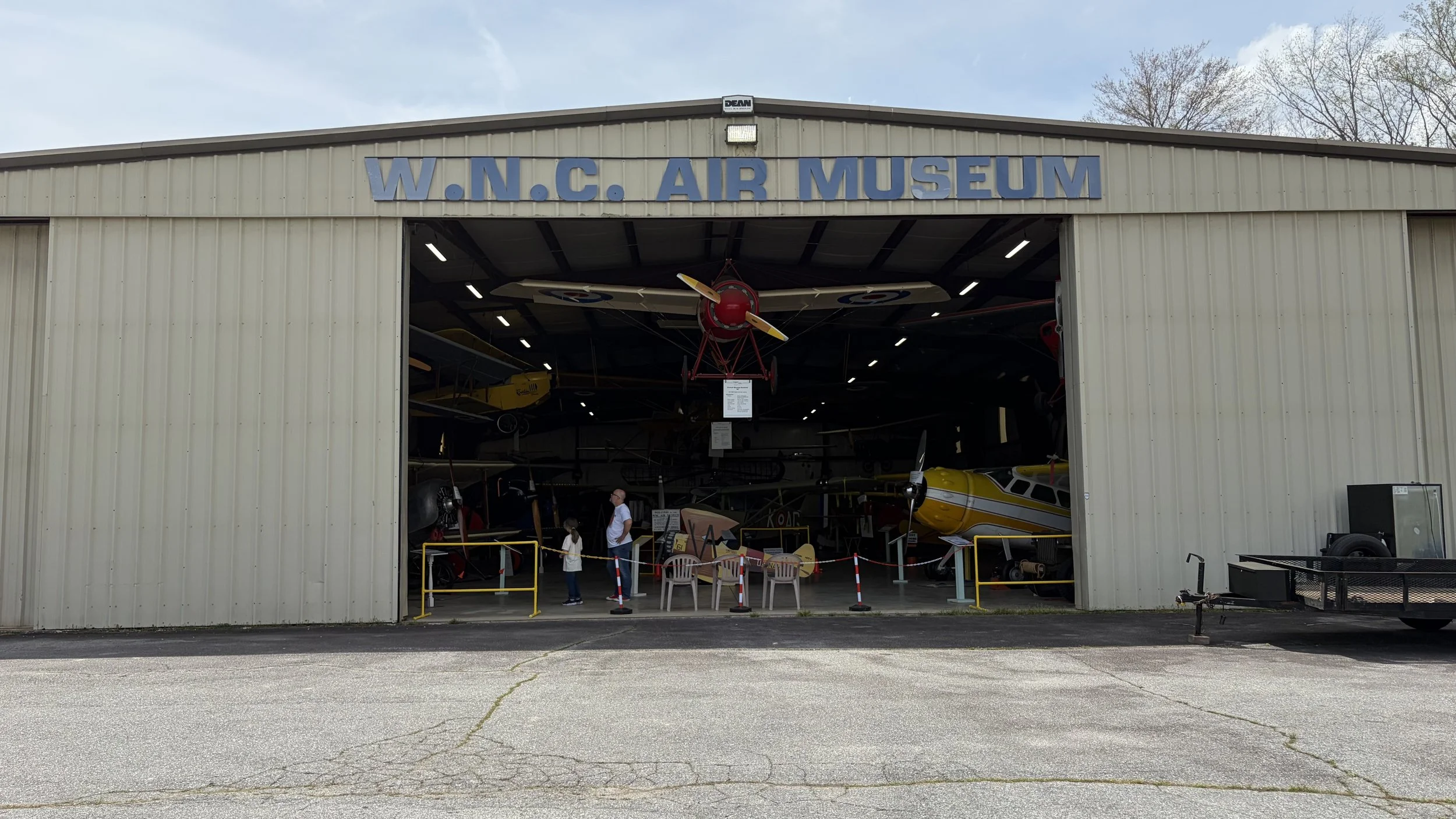
WNC Air Museum Hanger
The Western North Carolina Air Museum is located beside an active airfield in Hendersonville and is dedicated to preserving aircraft and stories from what is often referred to as the “golden age” of aviation—the decades surrounding the Second World War. Its focus is on smaller, general aviation aircraft of the period, including fabric-covered planes built with wooden structures and simple mechanical systems.
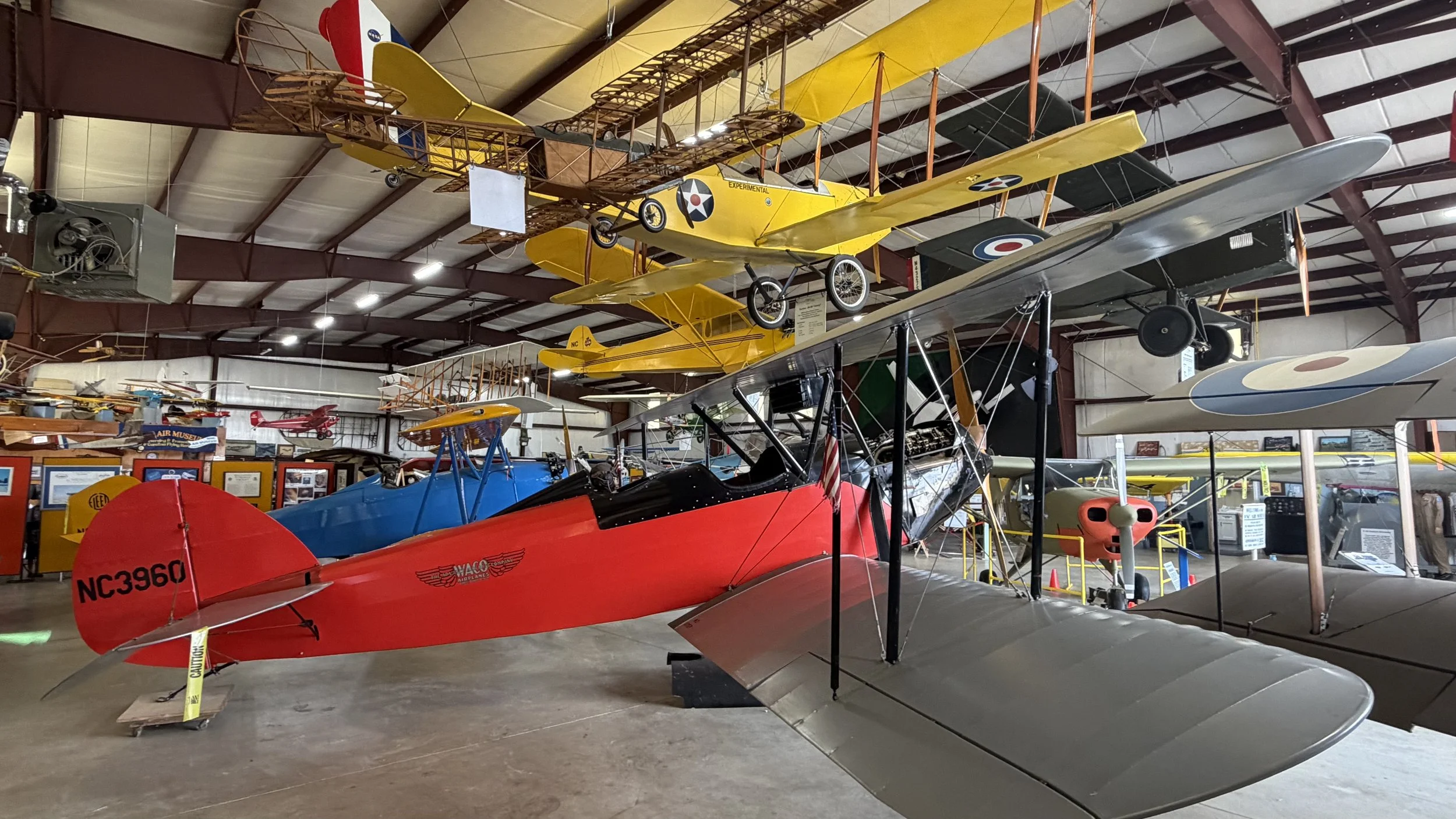
Unlike larger aviation museums, the WNC Air Museum is informal in its layout and presentation. Aircraft are displayed in an open hangar environment without barriers, allowing visitors to view them up close. The collection reflects a time when flying was less regulated and more accessible at a local level, particularly in small community airfields.
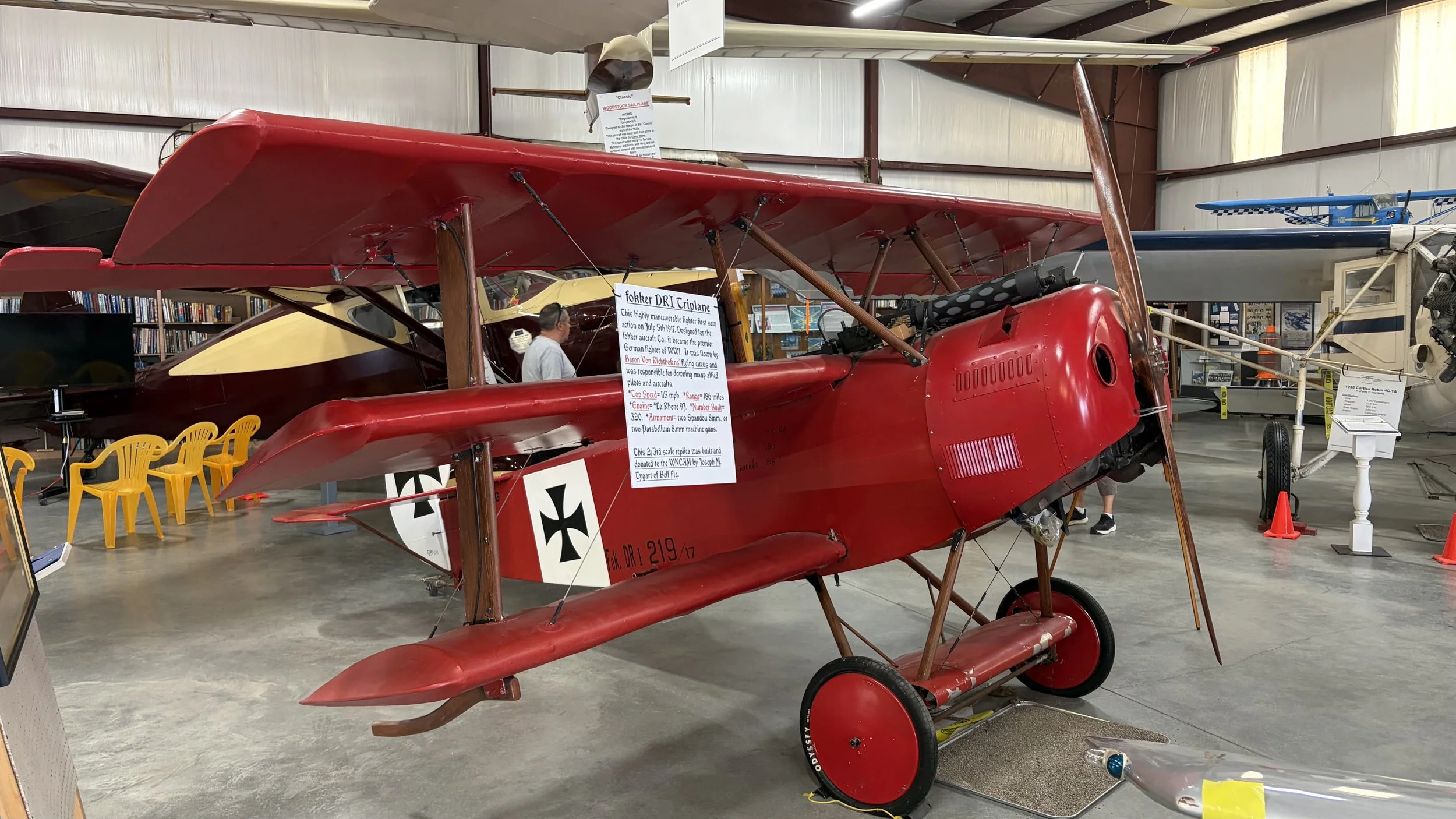
FOkker DRI Tri-Plane, Premier German Fighter of WWI
A defining feature of the museum is its emphasis on restoration work. Volunteers - many with backgrounds in aviation - maintain and restore aircraft on site, and visitors can often observe this process and speak directly with those doing the work. This hands-on approach offers insight into both the construction of early aircraft and the effort required to preserve them.
The museum serves not only as a place to view historic airplanes, but also as a space where knowledge and experience are shared across generations, helping to document and sustain a chapter of regional and national aviation history. The museum is open to the public, and admission is free.
History of the Museum
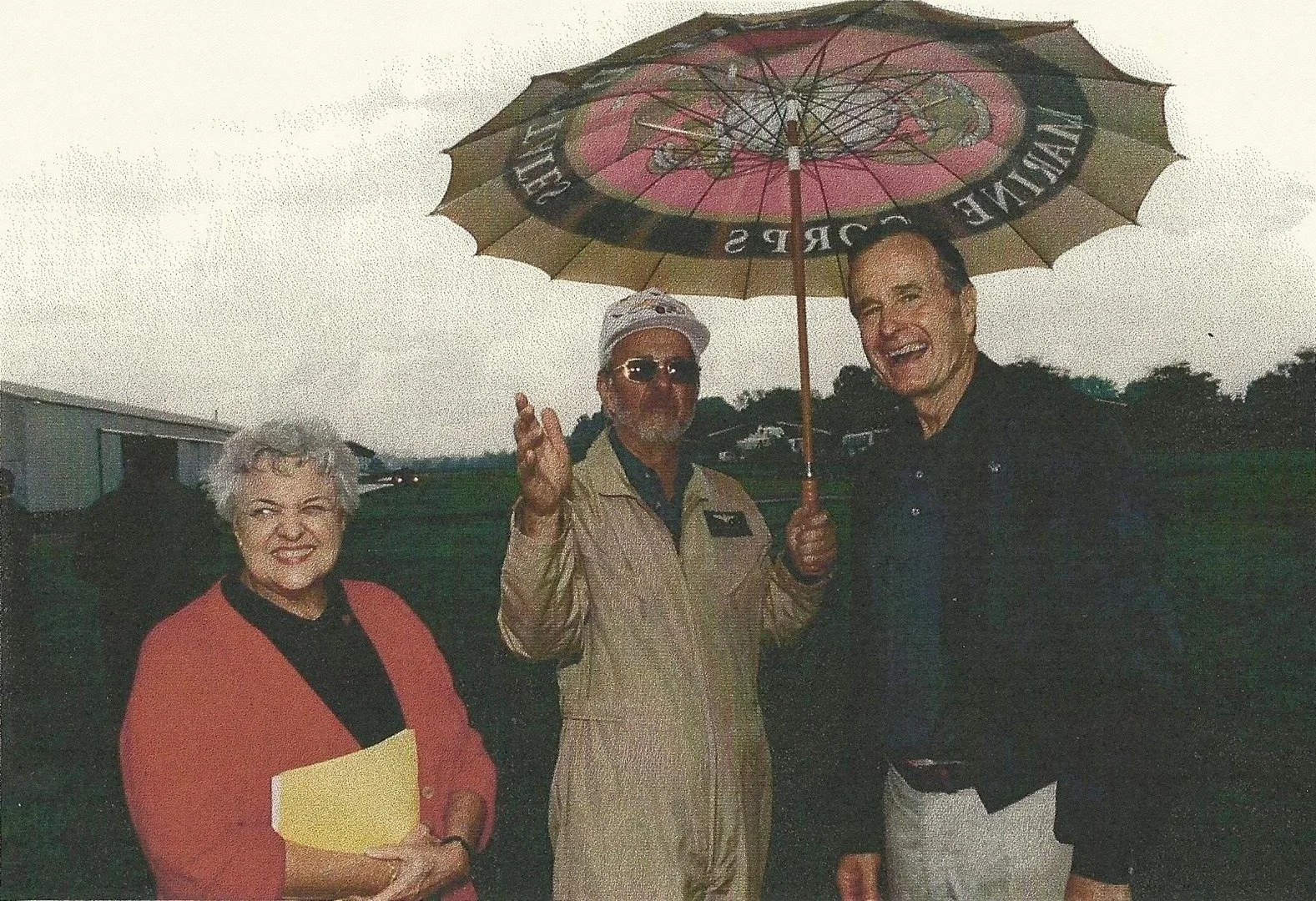
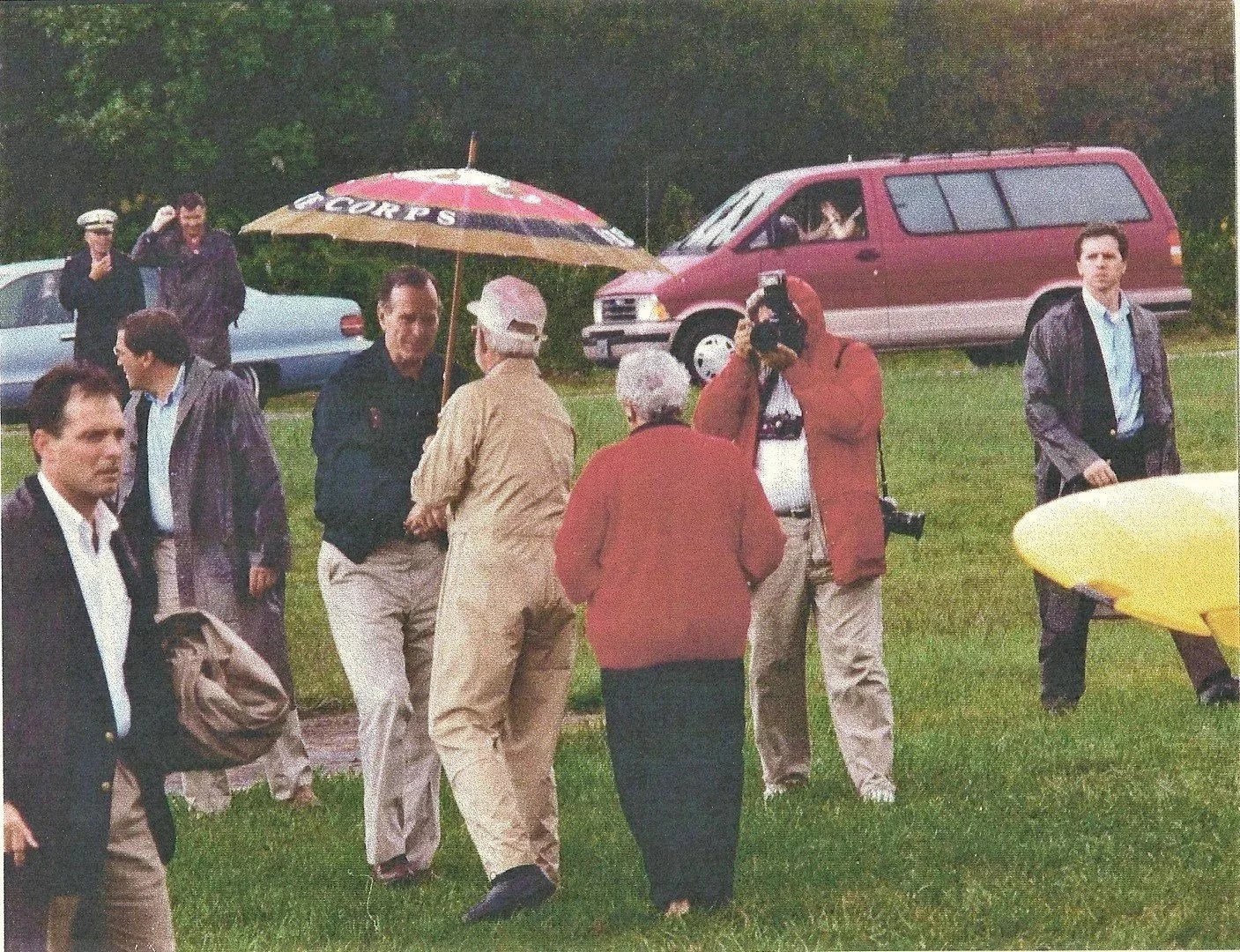
President George H. W. Bush visited the museum in 1992
The Western North Carolina Air Museum was founded in April 1989 by three members of the local aviation community - Dennis Dunlap, Bill Schreier, and Ken Stubbs - with the goal of preserving the aviation heritage of both the region and the state. Later that year, the organization was incorporated in North Carolina and received federal 501(c)(3) tax-exempt status.
In its early years, the museum operated out of a temporary space in Hangar 61 at the Hendersonville Airport, where a small number of aircraft were displayed while plans for a permanent facility were developed. Land was soon acquired adjacent to what was known as Johnson’s Airfield, and construction of a dedicated museum hangar began. That building was completed in January 1993, with the museum officially opening to the public in May of that year.
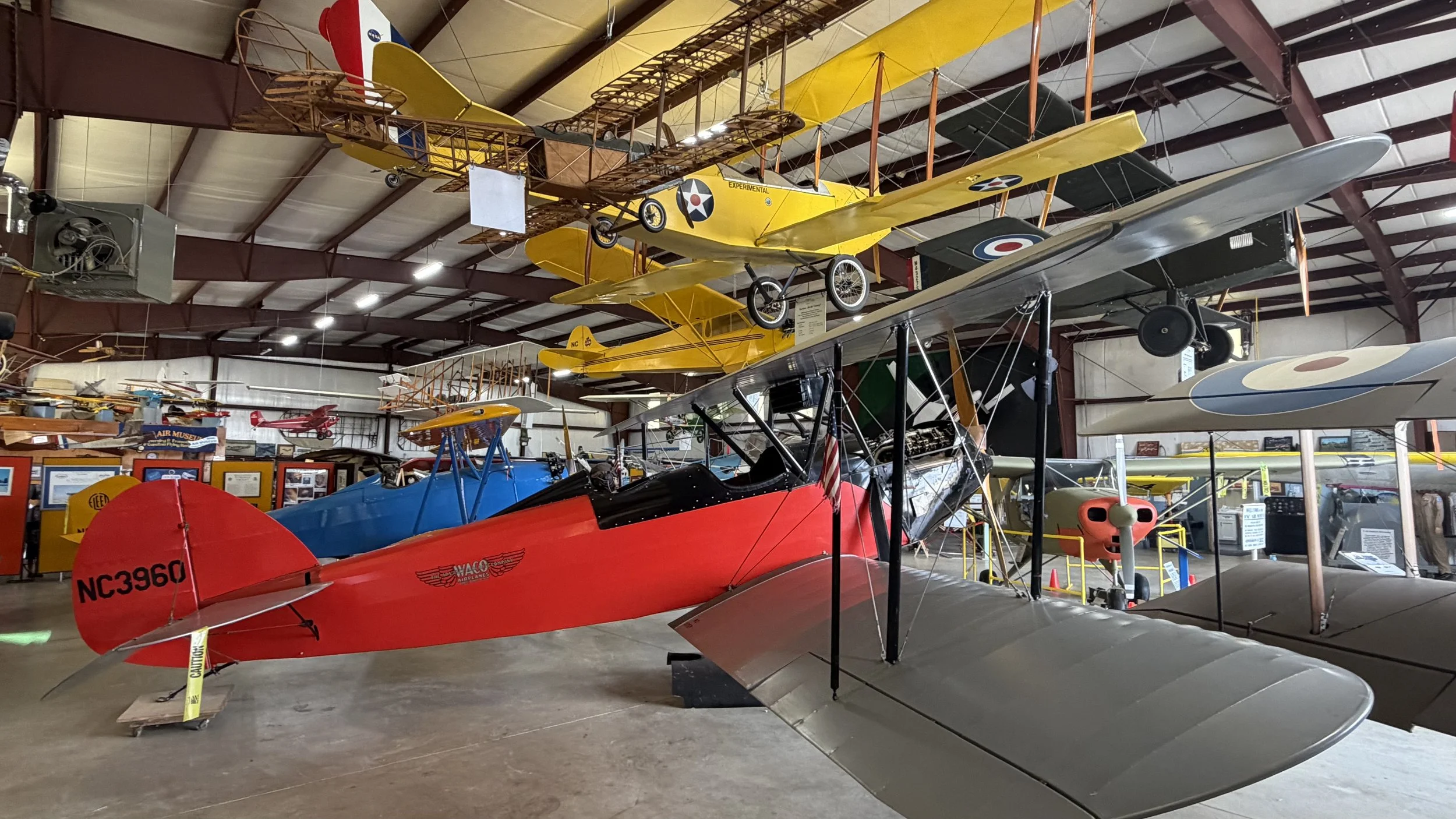
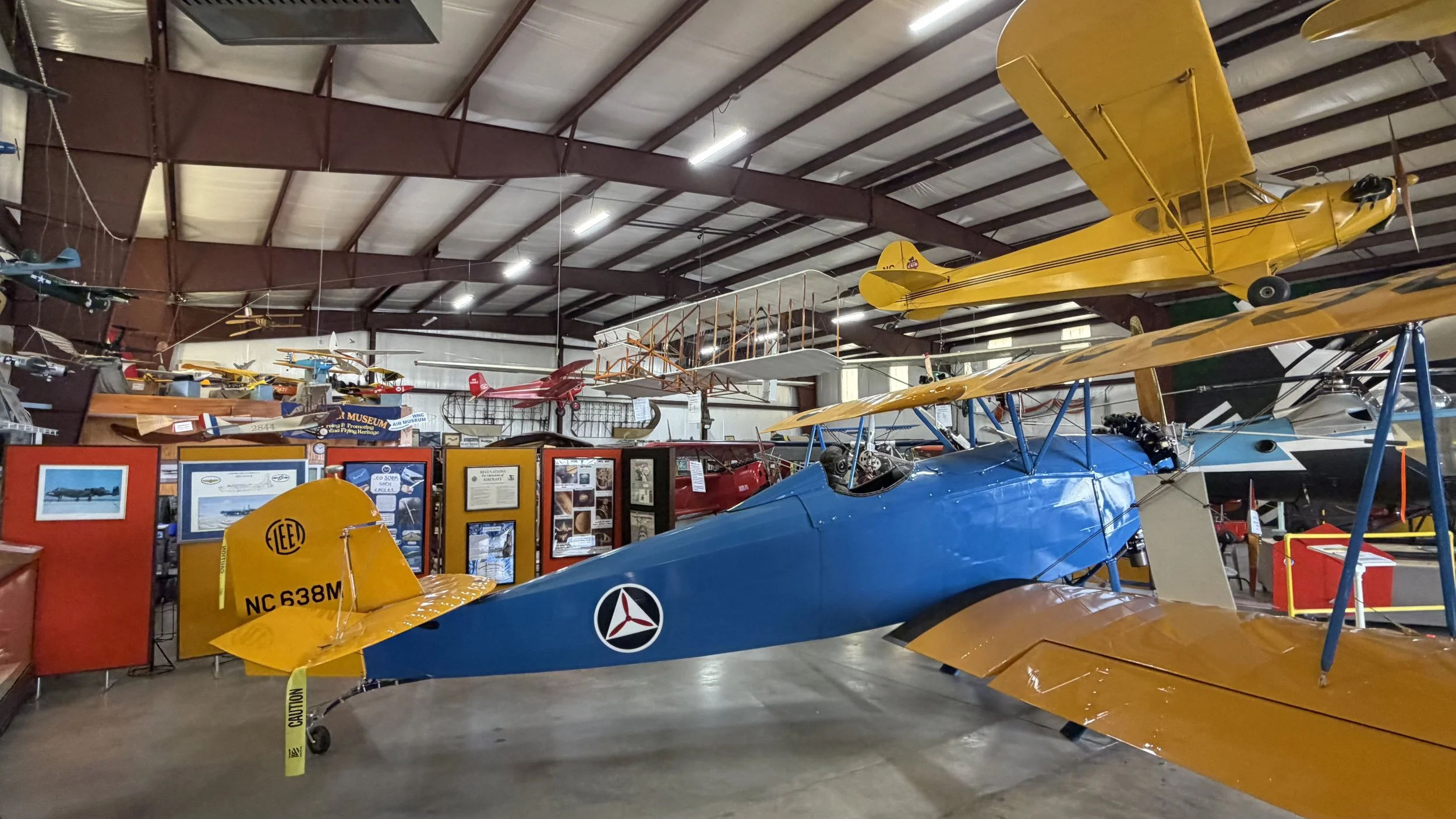
Display Planes in Museum
As the collection and membership grew, the museum expanded its facilities. In 2000, construction began on additional lower hangars, designed both to house member-owned aircraft and to provide a source of ongoing income. As part of that arrangement, aircraft stored in these hangars are made accessible to visitors, reflecting the museum’s long-standing emphasis on openness and direct engagement rather than formal display.
The museum remained relatively small in its early decades, housing just a handful of aircraft. That began to change in the early 2000s, when Steven Lyons - an experienced pilot and longtime aviation enthusiast - became involved after relocating to Hendersonville in 2003. At the time, Lyons recalled, the museum occupied the modest hangar with only a few planes on display. But he also saw potential in the surrounding property.
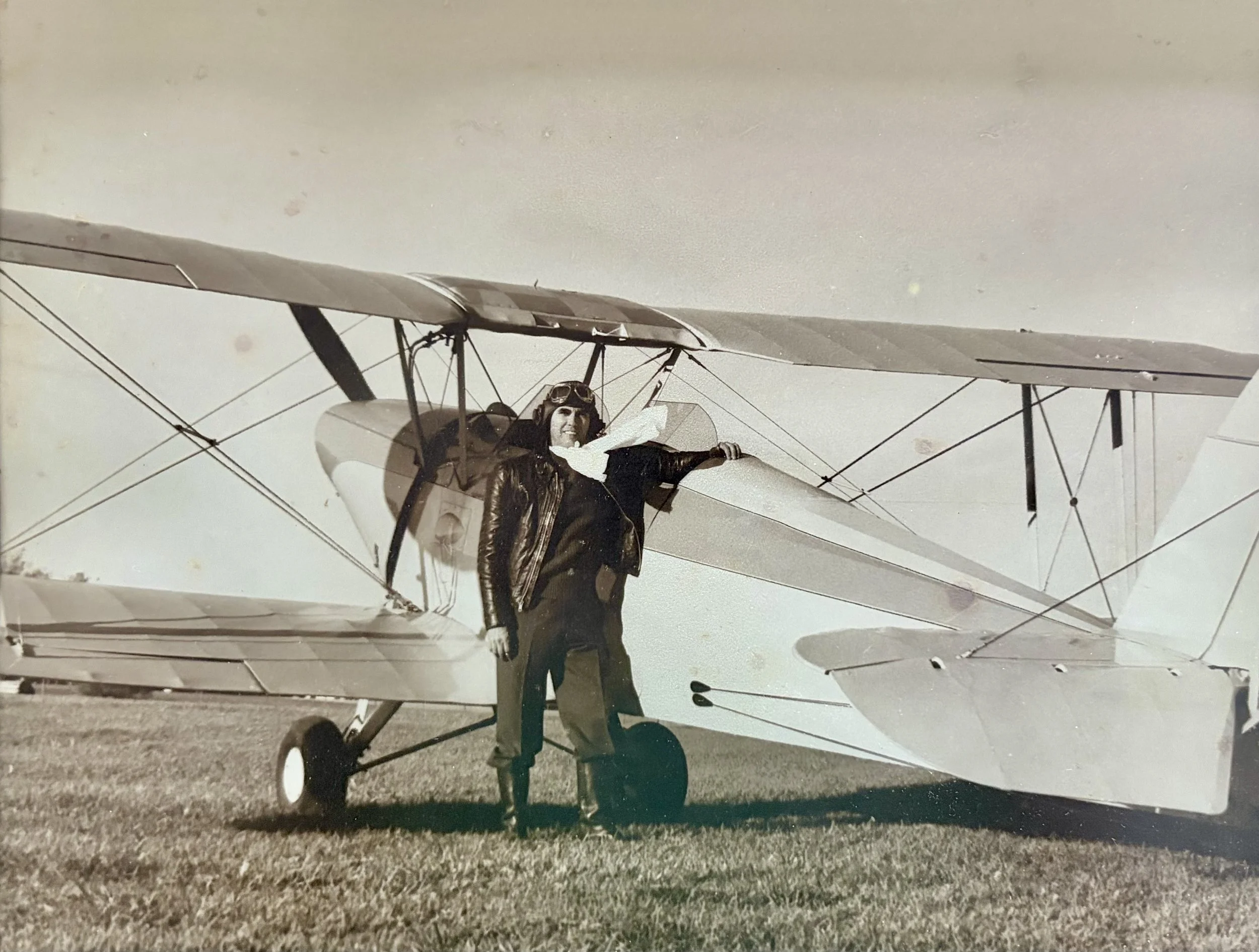
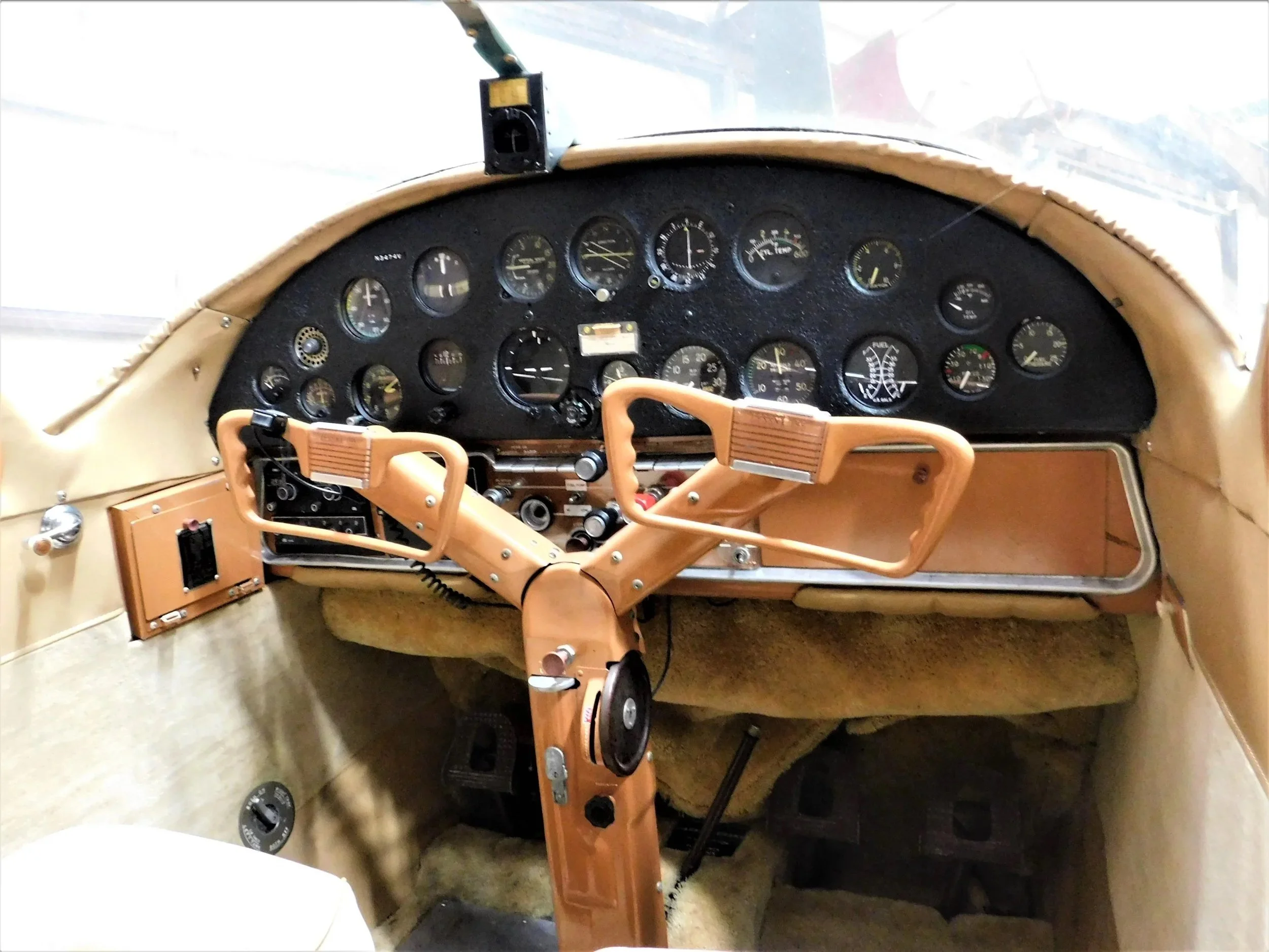
Steven Lyons with his Bi-Plane CA 1980s
“When I came in 2003, I could see that we had more land next to the existing hangar,” Lyons said. “I worked with the people in the museum to find out why we might not want to build a bigger actual museum.”
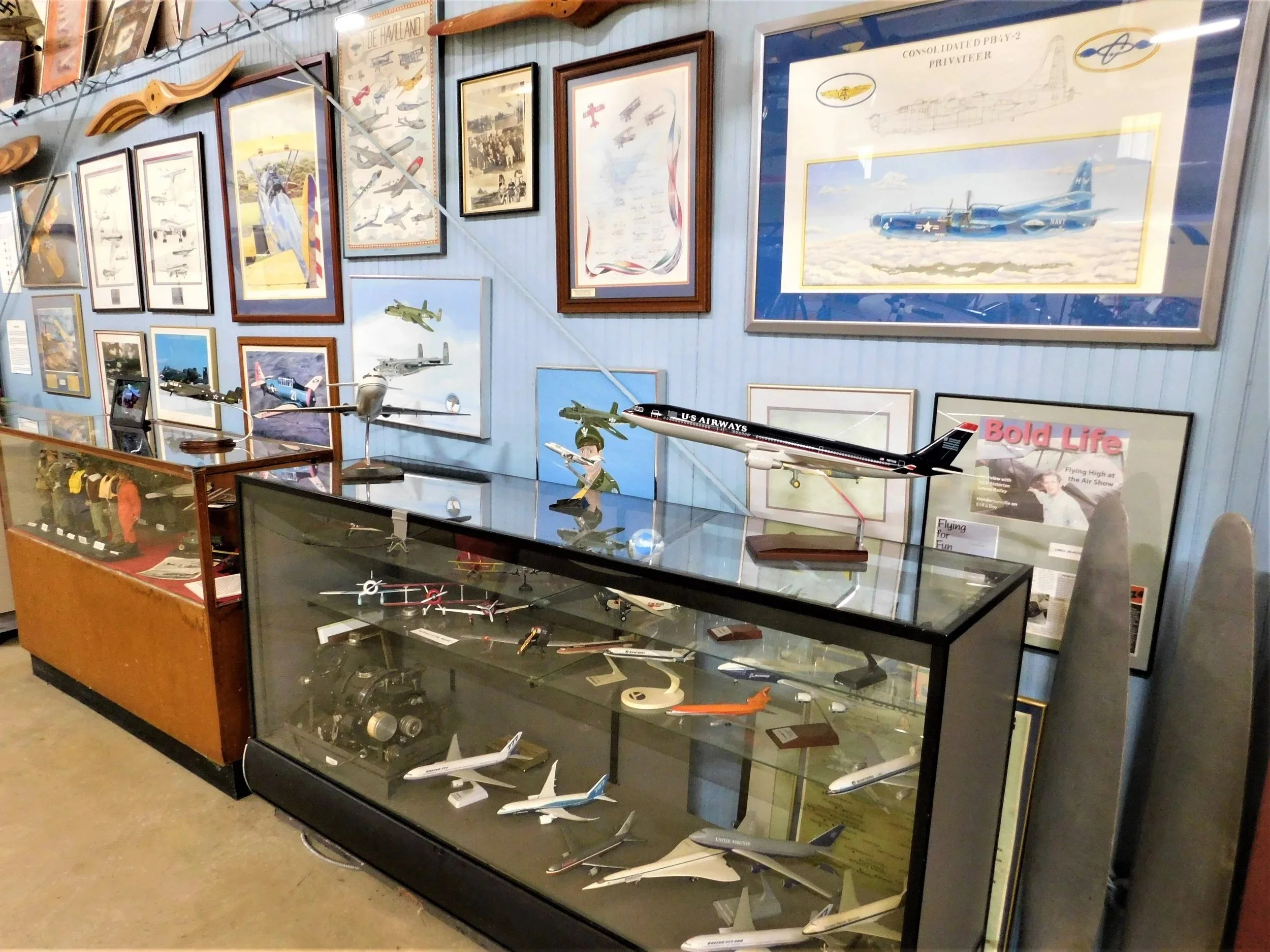
In the years that followed, the original display hangar was significantly expanded - more than doubling in size—and the collection grew to include more than twenty aircraft, along with a range of aviation artifacts, models, and historical materials.
Today, the museum continues to operate through a combination of memberships, donations, and volunteer support, maintaining its original mission while remaining closely tied to the local aviation community it was created to serve.
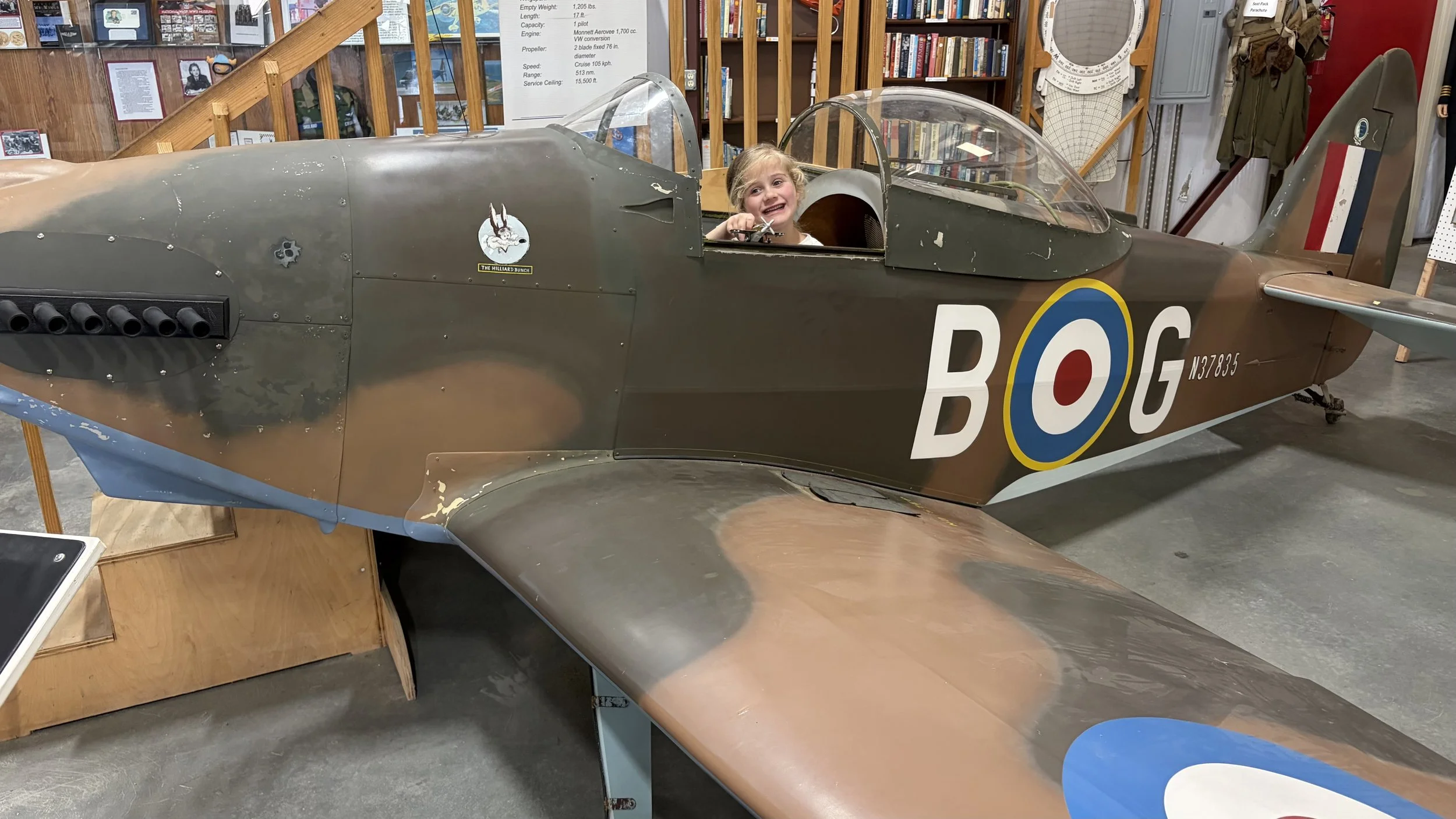
Young people are invited to sit in the cockpit of the Museum’s replica of a British Spitfire
A distinctive feature of the museum is its connection to Johnson Field’s grass landing strip, which volunteers help maintain. Long before paved runways became standard, nearly all airports were simple grass fields, and early aircraft were designed with those surfaces in mind. Many early planes lacked brakes, relying on the resistance of grass to slow them safely after landing. Hendersonville’s grass strip - more than 3,000 feet long and roughly 100 yards wide—remains an active part of that tradition. As Steven Lyons noted, “Most people don't even know that it is an airfield - it just looks like a big grass field. The grass strip is used at least as much, if not more, than the paved field.”
Planes and Stories: A Conversation with Rick Morey
On the day I visited, docent and aviation maintenance technician Rick Morey was fielding a steady stream of questions from a small crowd of visitors. His ease with both the technical details and the stories behind each aircraft quickly became apparent. Morey, who lives in Rutherfordton, volunteers at the museum at least two days a week - working as a restoration mechanic and serving as a docent, guiding visitors through the collection.
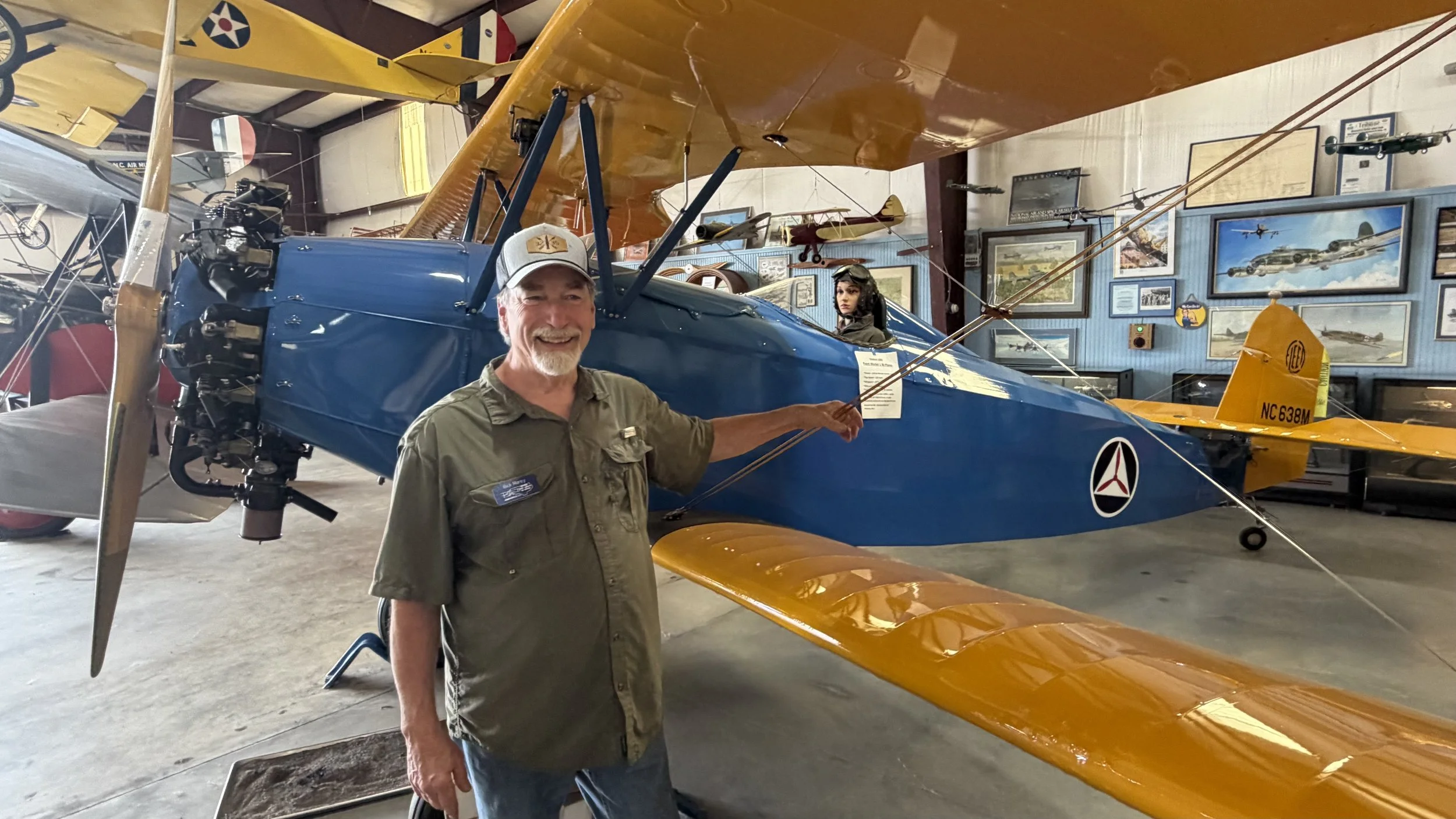
Rick Morey with his favorite Museum plane, the 1930s Fleet
“All the planes here have flown,” he explained. “They’ve all been in the air, but we don’t fly them anymore for insurance reasons.” Many of the aircraft arrive at the museum after their flying days are over, often donated by owners or families who want to see them preserved and appreciated rather than stored away.
Some of the most visually striking aircraft in the hangar are replicas of historic warplanes, built from kits to reflect the originals. A half-scale P-51 Mustang, for example, was modeled after the aircraft flown by a World War II pilot and later donated by his family. Nearby, a Fokker replica - once flown until its engine failed - found its way to the museum when its owner chose not to undertake the extensive repairs required to return it to the air.
Other planes carry stories that reach further back. One of the museum’s most unusual aircraft is a 1930 Curtiss Robin, an original model of which only a small number were built. It is connected to a remarkable chapter in aviation history: in 1935, two brothers flew a Curtiss Robin for 26 consecutive days, refueling in midair and logging more than 50,000 miles.
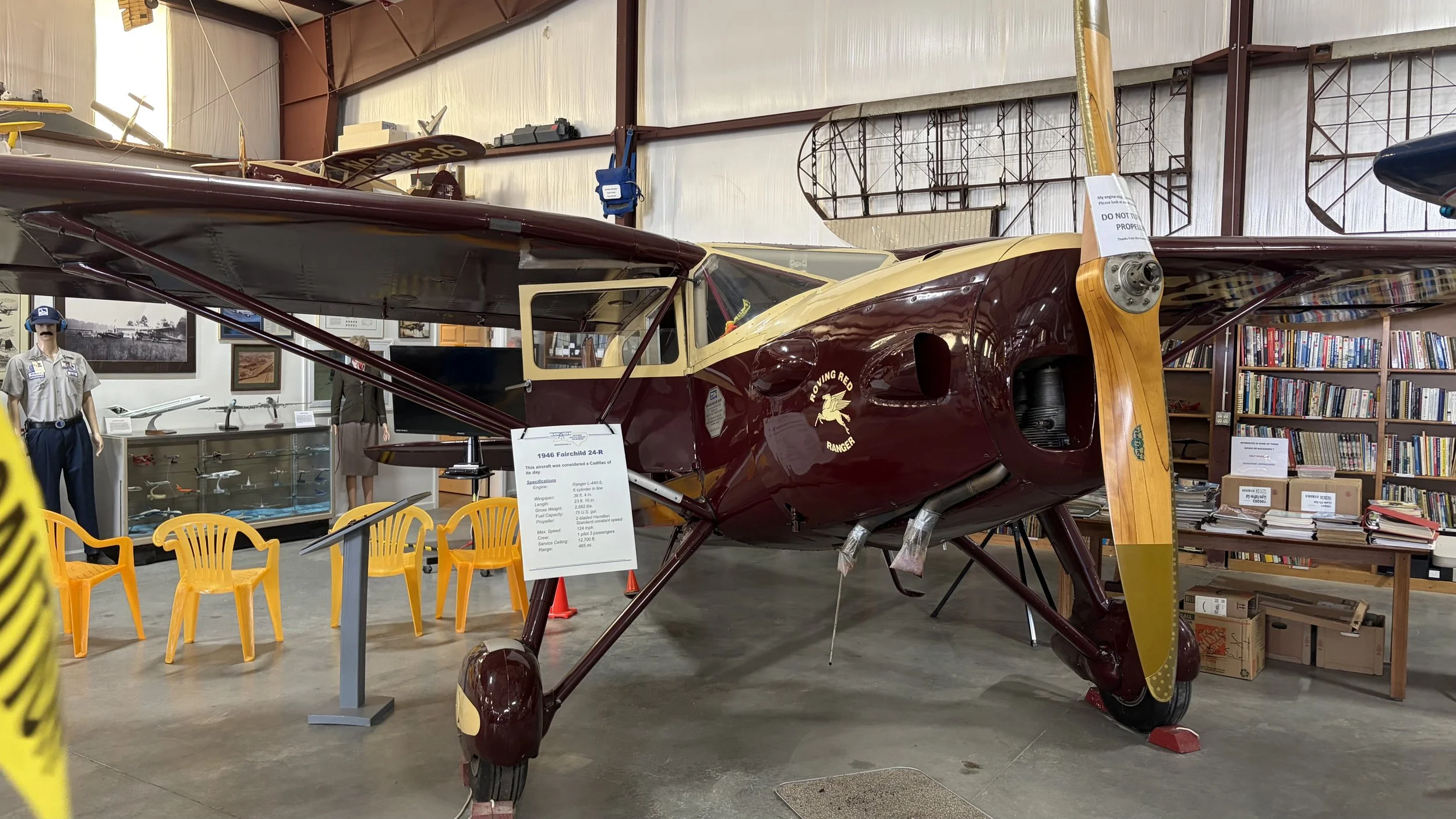
1946 Fairchild 24-R
When asked about his favorite, Morey didn’t hesitate. “The 1930 Fleet,” he said. “It’s just a beautiful airplane.” That aircraft came to the museum under unusual circumstances. A pilot flying cross-country stopped in Hendersonville and crashed while attempting to land on the grass strip, damaging the engine beyond practical repair. Faced with the cost of restoration, the owner ultimately donated the plane to the museum - an accident that became, in a way, a fortunate addition to the collection.
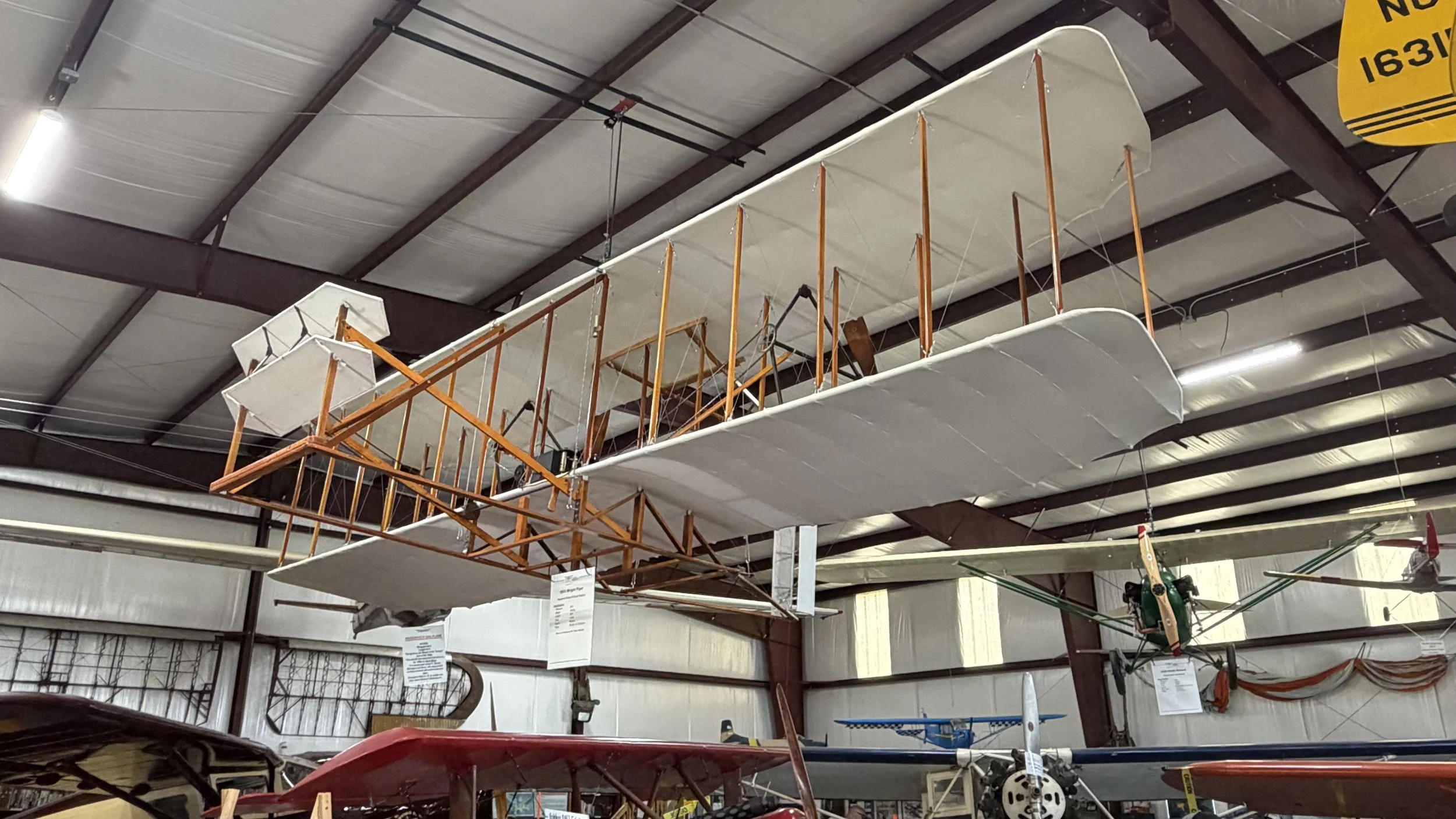
Morey’s perspective as a mechanic also draws attention to details that visitors might otherwise overlook. Near the entrance hangs a replica of the Wright Flyer, a reminder of aviation’s earliest days. He is quick to point out the often-overlooked figure of Charlie Taylor, the mechanic who built the Wright brothers’ engine by hand in just six weeks. “Without him, they might not have been the first in flight.”
The museum’s collection has also endured its share of challenges. Following Hurricane Helene, floodwaters filled the hangar with as much as two feet of water, damaging materials and partially submerging aircraft. Recovery efforts have since been underway, another example of the ongoing work required to maintain the collection.
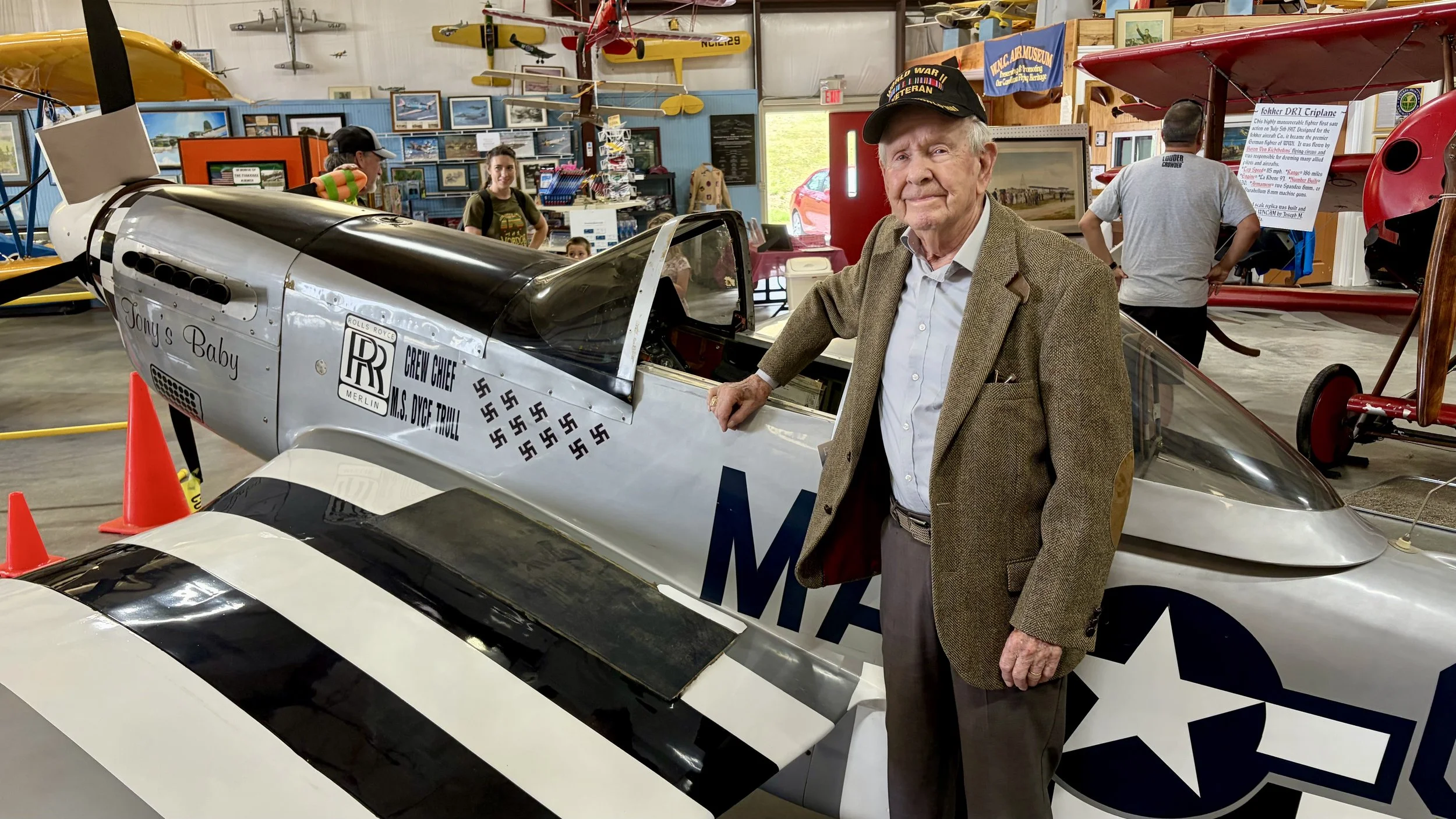
WWII Veteran, Simon Gurdan visiting the Museum
For many visitors, the experience is as much about memory as it is about machinery. During one recent visit, 99-year-old World War II veteran Simon Gurdan, who served in the Belgian Army, walked through the hangar and recognized scenes from his own past. Accompanied by a friend, he paused at the aircraft, photographs, and even a WWII Jeep, each sparking recollections of the war years. “This is really something you have to see,” he said. “It’s fantastic. It reminds me of World War II.”
For Morey, the appeal of the museum is reflected in its visitors as much as its airplanes. Families, veterans like Simon, and pilots regularly pass through, each bringing their own connection to aviation. His role is to help make those connections visible - one story, and one airplane, at a time.
Conclusion
Set beside an active airfield, the Western North Carolina Air Museum is not a place of polished displays or distant observation. It is, as the museum itself describes, “more than just a place to look at planes.” It is a place where a fading chapter of aviation history is still tangible - where the aircraft are close enough to study, and the people who care for them are just as much a part of the experience.
The museum harkens back to a time when airports had grass strips and didn’t have fences. When you could walk right up to the flight line, see, touch, and experience aviation up close and personal. That spirit still lingers here, not as nostalgia alone, but as something visitors can encounter firsthand.
There are no barriers at WNC Air Museum. No velvet ropes or glass cases separating visitors from the machines or the stories they carry. Instead, there is a sense of accessibility and authenticity that reflects the era these airplanes came from. It is a place where memories are shared as freely as technical knowledge, and where the past feels unexpectedly present.
If you have passed the small sign on Shepherd Street, as I did for years, it is worth turning in. Whether you come with a deep knowledge of aviation or simple curiosity, you will likely leave with a greater appreciation for a time when flight captured the imagination in a very different way.
Sometimes, the most interesting places are the ones we almost overlook.
—
Details
Hours of Operation (weather permitting)
April Thru October
Saturday: 10:00 AM – 5:00 PM
Sunday: 12:00 noon – 5:00 PM
Wednesday: 10:00 AM – 5:00 PM
November thru March
Saturday: 12:00 noon – 5:00 PM
Sunday: 12:00 noon – 5:00 PM
Wednesday: 12:00 noon – 5:00 PM
Admission is Free
Western North Carolina Air Museum
P.O. Box 2343
Hendersonville, NC 28793
1340 East Gilbert Street
Phone: (828) 698-2482
The Western North Carolina Air Museum is a private, tax-exempt organization dedicated to preserving and promoting the flying heritage of the Western North Carolina Mountains region. All operating funds come from contributing members and self-supporting activities; visitor donations are welcomed. Gifts and souvenirs are available. Individual Memberships are $30.