The Trails of St. John
In 1995, historian Louise Howe Bailey wrote of an old pathway that once carried worshippers from Flat Rock's summer estates to St. John in the Wilderness. By then, the Jerusalem Path had long since fallen into disuse and disappeared beneath the woods. Still, in her history of the church, St. John in the Wilderness, Bailey closed her account with a small, hopeful thought about the old path: "Perhaps one day it will be reopened for the sake of history."
More than three decades later, Bailey's hope has at least partially taken shape.
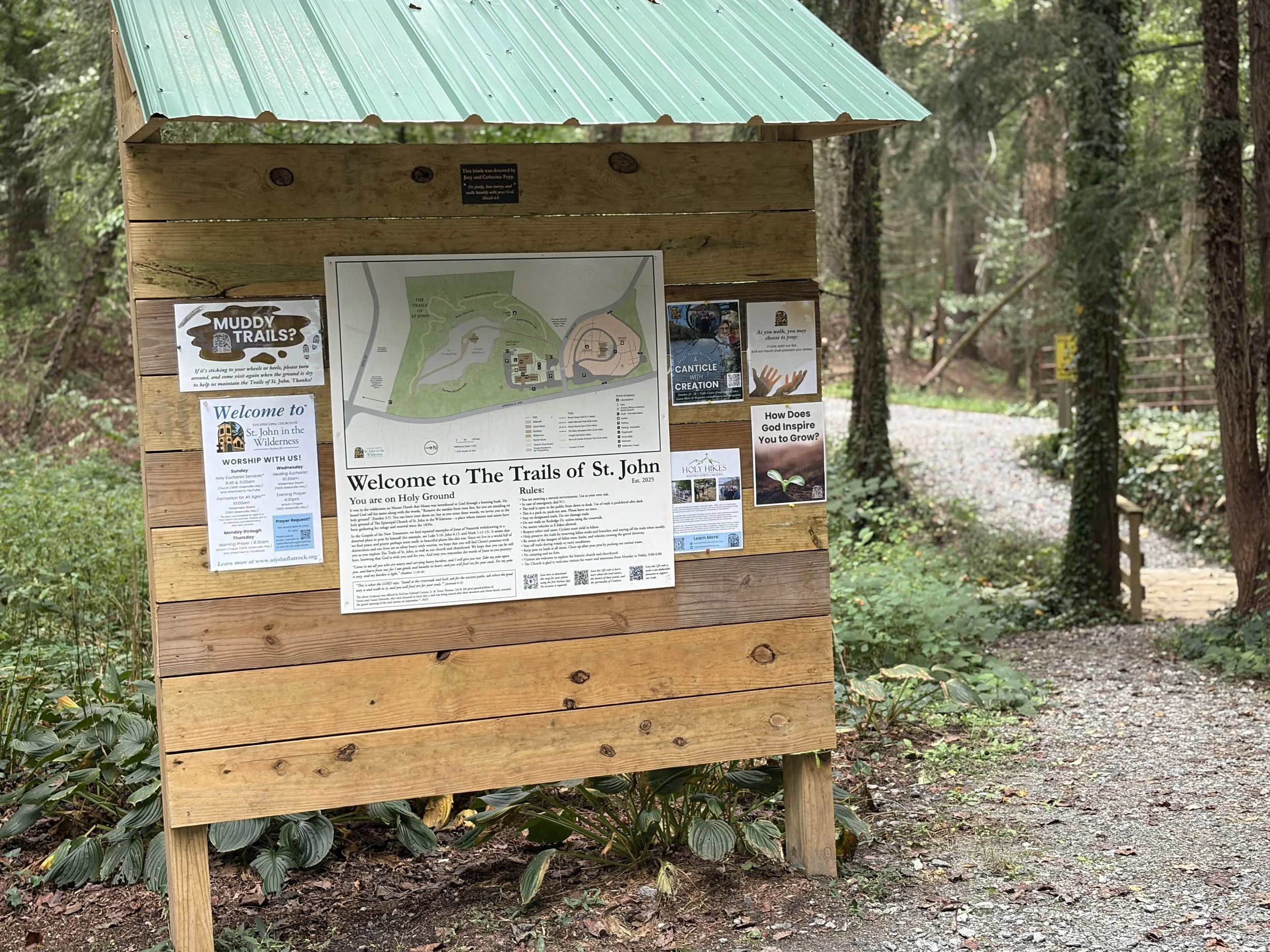
A portion of the old route has been restored as the New Jerusalem Path, now part of the Trails of St. John, which officially opened in September 2025 and marked its first anniversary this month. Four named trails, along with two shorter connecting paths, wind for approximately a mile through 12 acres of woods behind the church - a reclaimed corner of St. John's 26-acre campus that is now open to parishioners and community members alike.
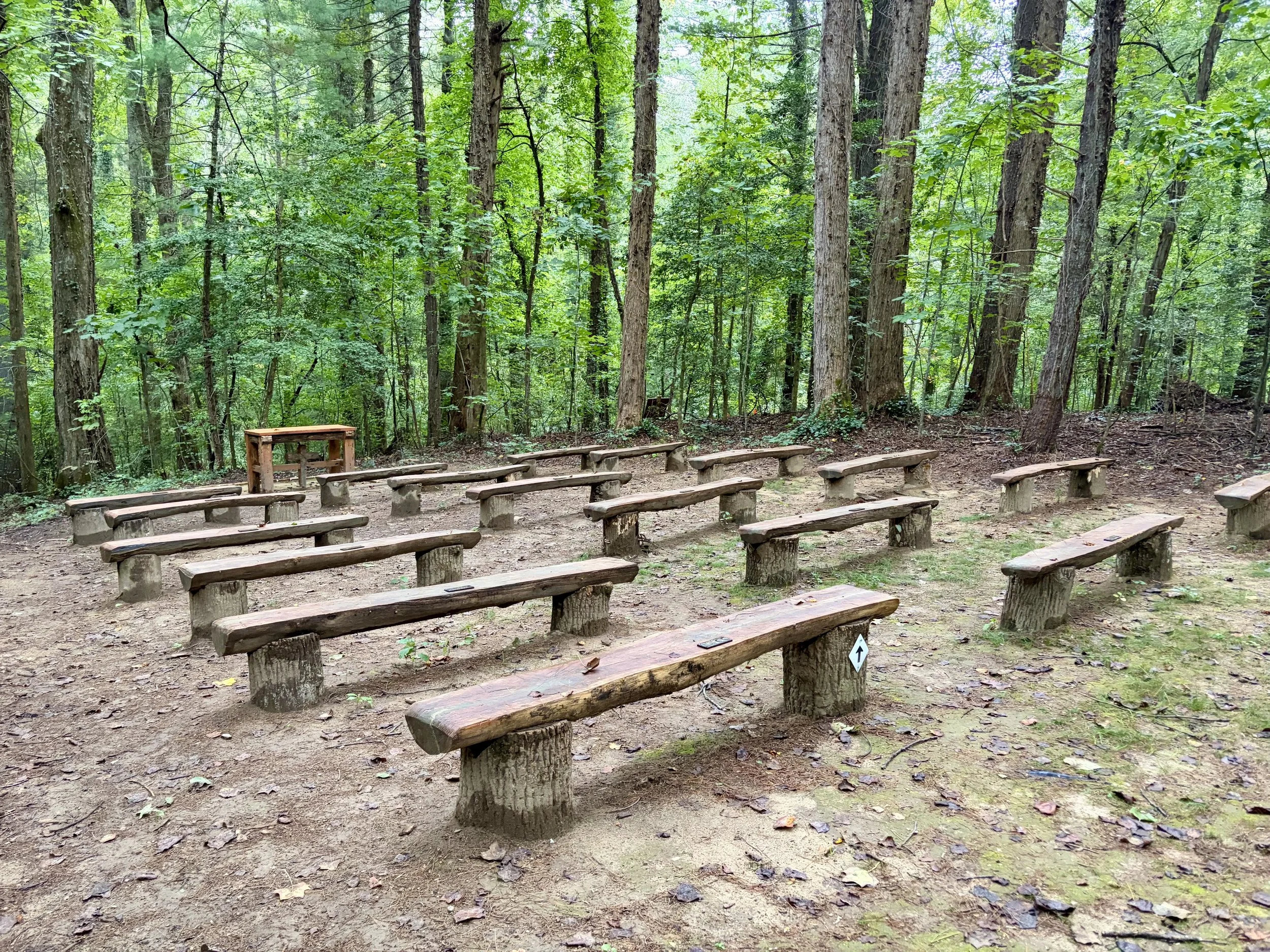
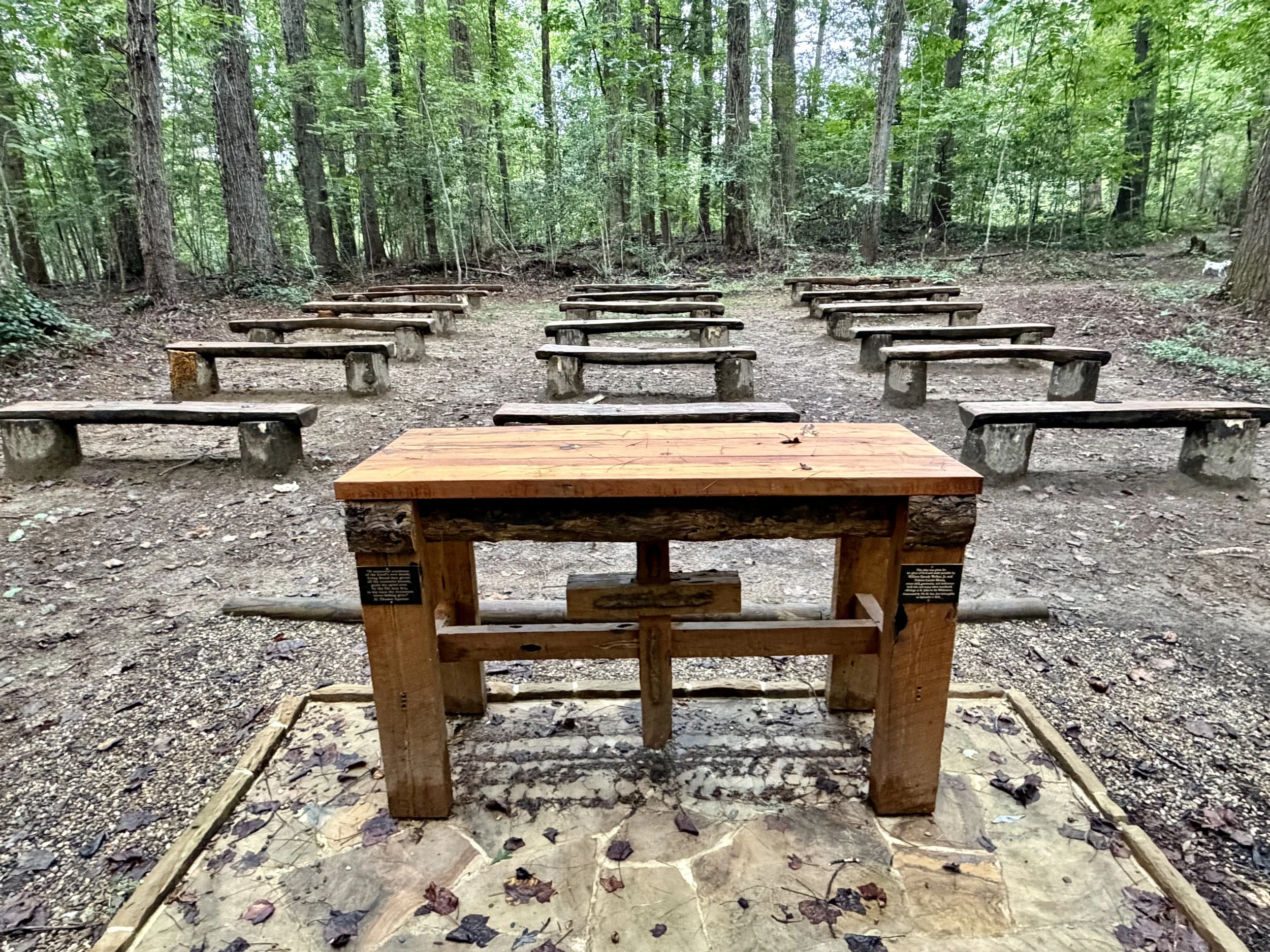
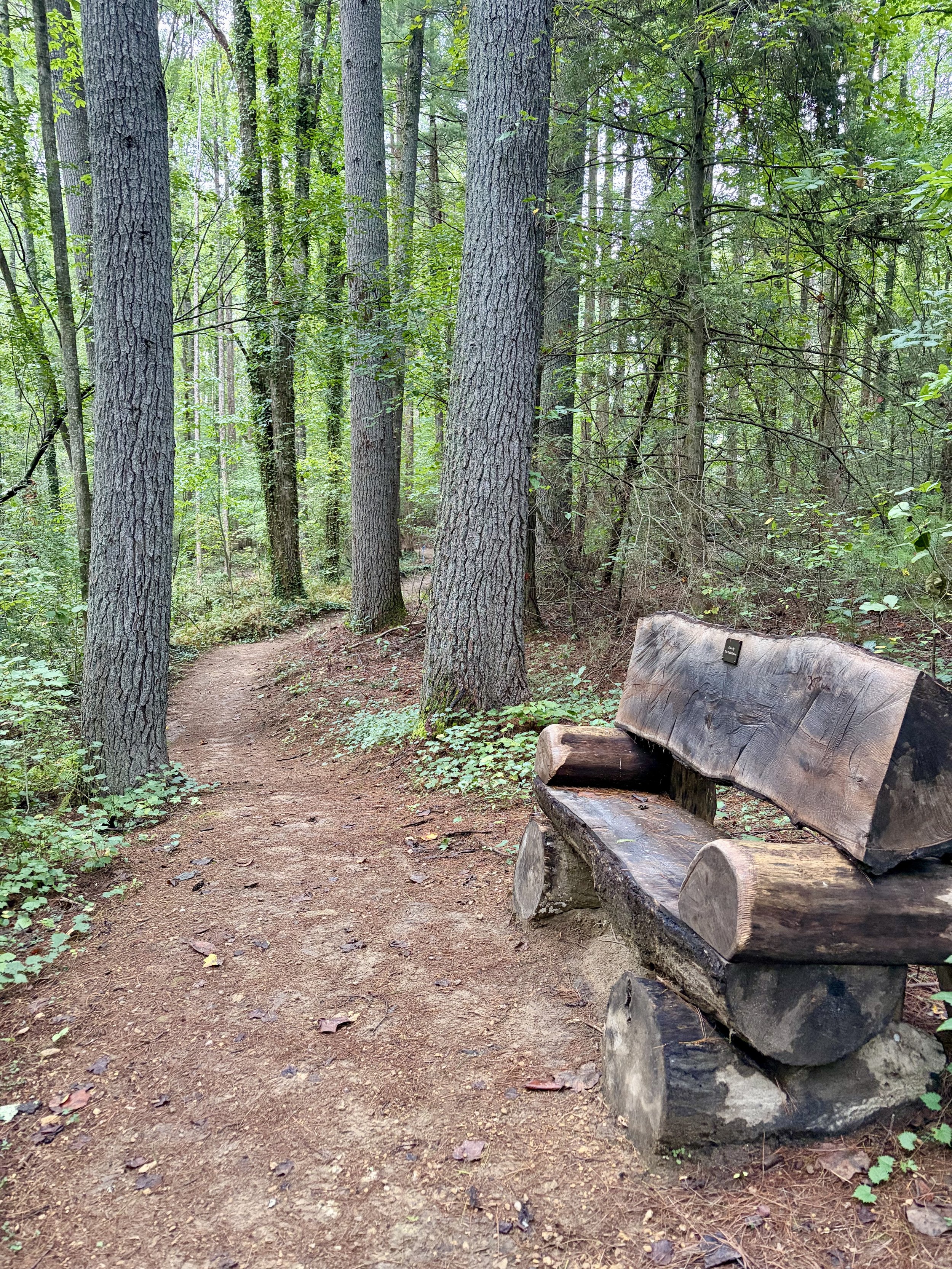
Once dense with English ivy, fallen trees, and decades of overgrowth, the woods now invite visitors to explore previously impassable parts of the St. John campus. Walkers pause at interpretive signs, children ride mountain bikes, and visitors find benches, a trail kiosk, and the nearby Wilderness Chapel.
The trails offer a place for recreation, reflection, and worship, while also revealing a landscape and history that had nearly been forgotten.
How the Trails Took Shape
The trail system did not begin with a single plan or groundbreaking. Its roots reach back to the old Jerusalem Path, once used by the Rev. John Grimke Drayton as he walked through the woods from his home to St. John in the last half of the 19th century. “For the Rev. Drayton, spending time in beautiful natural spaces - and helping cultivate them - was central to both his physical and spiritual well-being,” said the Rev. Josh Stephens, rector of St. John in the Wilderness.
In 1998, David Dethero and Laurie Schenck led a restoration of the churchyard with support from the Hastie family of Magnolia Gardens. Early ideas for trails emerged during that effort but did not take hold.
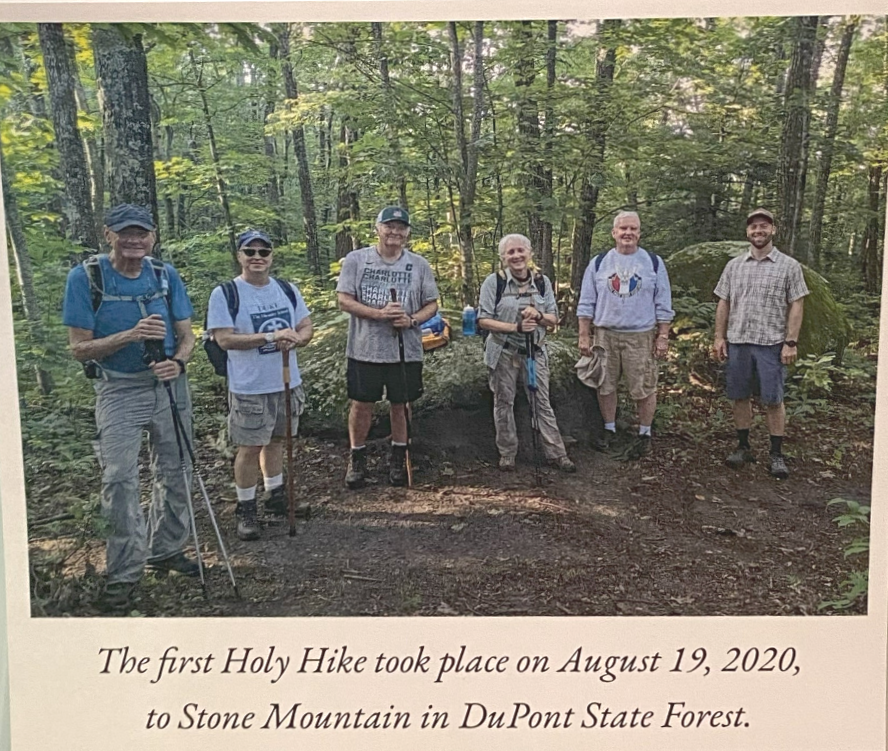
A renewed vision began to gather in 2020, when Father Josh arrived at St. John just as the pandemic began. Parishioner Mary Anne Inglis showed him parts of the old Jerusalem Path and shared her hope for an outdoor gathering place for St. John’s Wild Wonder Creation Care Camp and other church programs. That same year, the first hike of what would become St. John’s Holy Hikes of WNC set out for Stone Mountain in DuPont State Forest. Inspired by a shared love of the outdoors and shaped by the restrictions of the pandemic, St. John began looking beyond its chapel walls for other meaningful places to find God.
Around the same time, parishioner C. Rivers Stone was imagining an outdoor amphitheater where the church and wider community could gather. Sadly, he died unexpectedly in March 2022, before those plans could be realized. In July 2023, however, St. John learned that Stone had left the church a generous, unrestricted bequest. His gift gave the Vestry the means to create something more expansive than his original concept while honoring its spirit: a place in the woods for community, worship, and connection.
Ultimately, the trail project grew from the convergence of several ideas and initiatives. "It came together through dozens of little conversations, emails, and discoveries," Father Josh said. "It was so multifaceted that it felt like we were along for the ride - that God was doing something bigger than we ever had imagined."
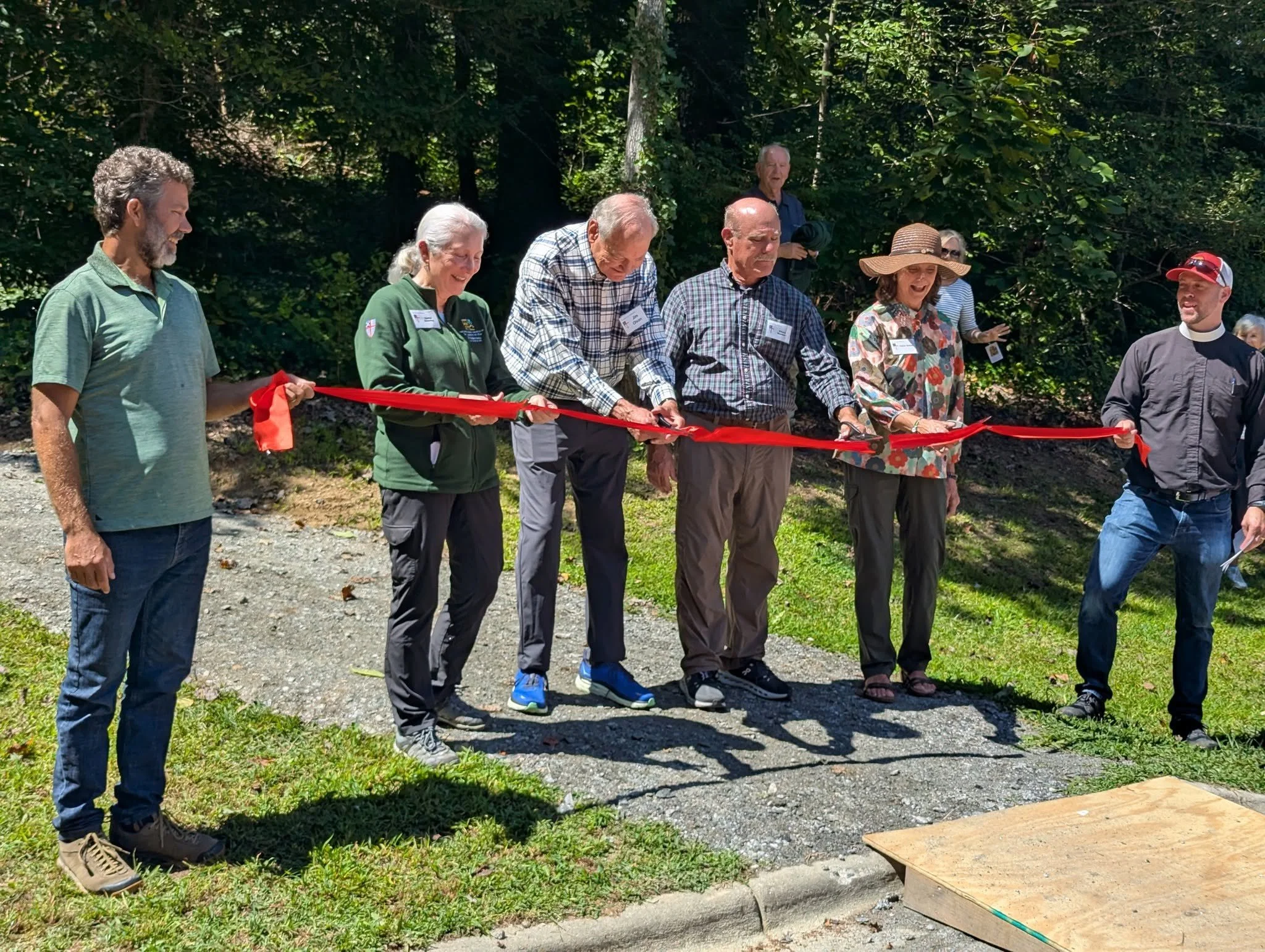
Holy Hikes Tail Committee cuts the ribbon at the opening of the trails.
The Holy Hikes Trail Committee first met in November 2023. Over the following year, members walked the property with prospective builders, eventually choosing Todd Branham of Long Cane Trails. As plans advanced, Hurricane Helene swept through in September 2024, felling trees and changing the landscape. Those trees would later be repurposed for benches, kiosks, and interpretive signs.
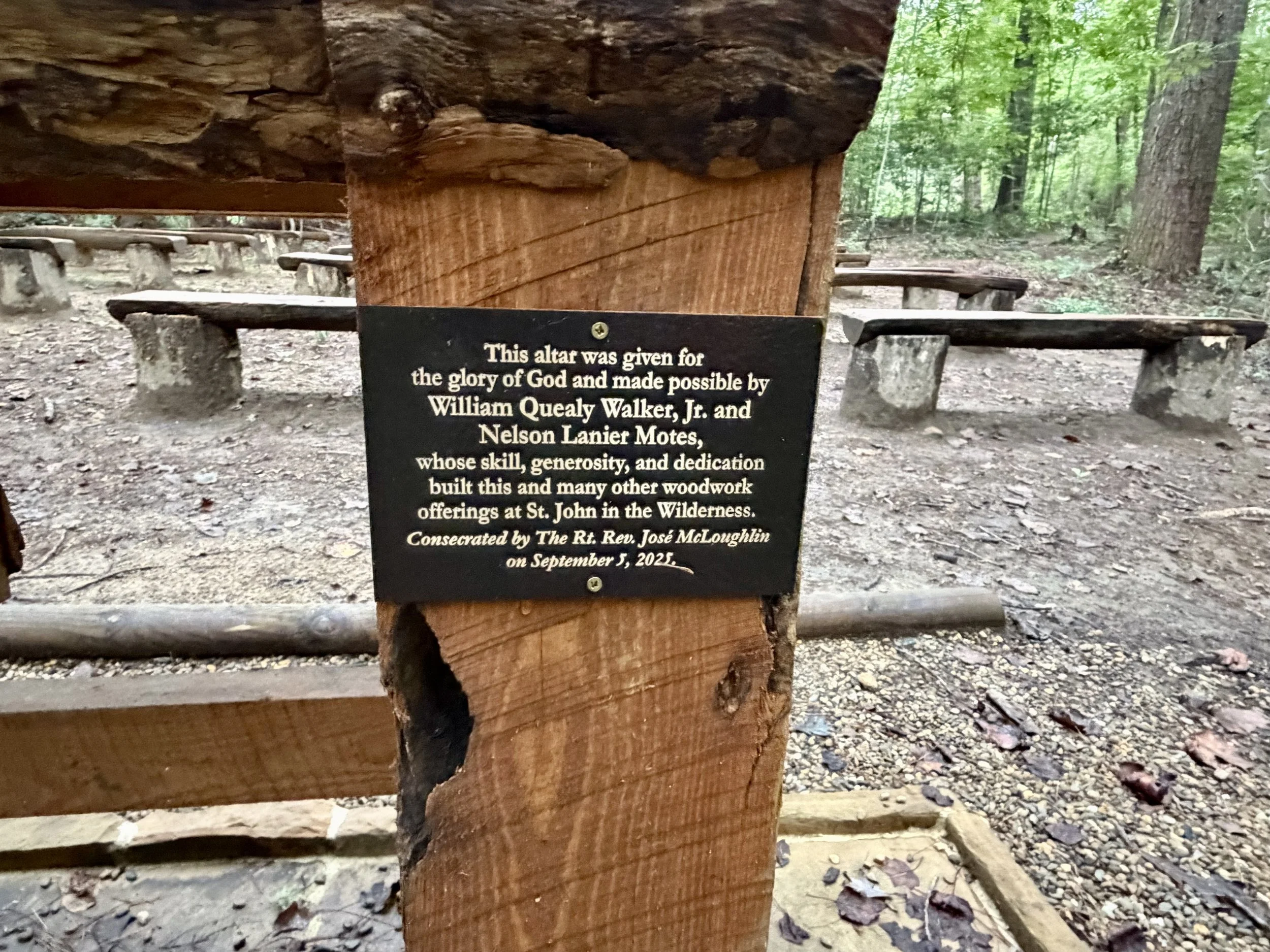
On January 15, 2025, St. John signed the construction contract, and work began. The trails took shape through the summer, followed by the consecration of the Wilderness Chapel on September 5. Two days later, the Trails of St. John opened to the community with a ribbon-cutting celebration - the culmination of a long-held hope, an unexpected gift, and a community willing to see new possibilities in the woods behind the church.
For Father Josh, the new trails reflect something fundamental to St. John's identity. "St. John has wilderness in its DNA," he said. Scripture, he notes, repeatedly places people in wild and beautiful settings where they encounter God, find renewal, and discover something more fully true about themselves. "At the heart of this trail project is our desire to offer ways for both our congregation and our neighbors to be shaped by the God who created the world and who continues to reveal himself through creation.”
Uncovering Lost History
The trail project did more than make the woods behind St. John accessible. It brought the church's 21st-century vision into contact with a 19th-century landscape that had been hidden in plain sight.
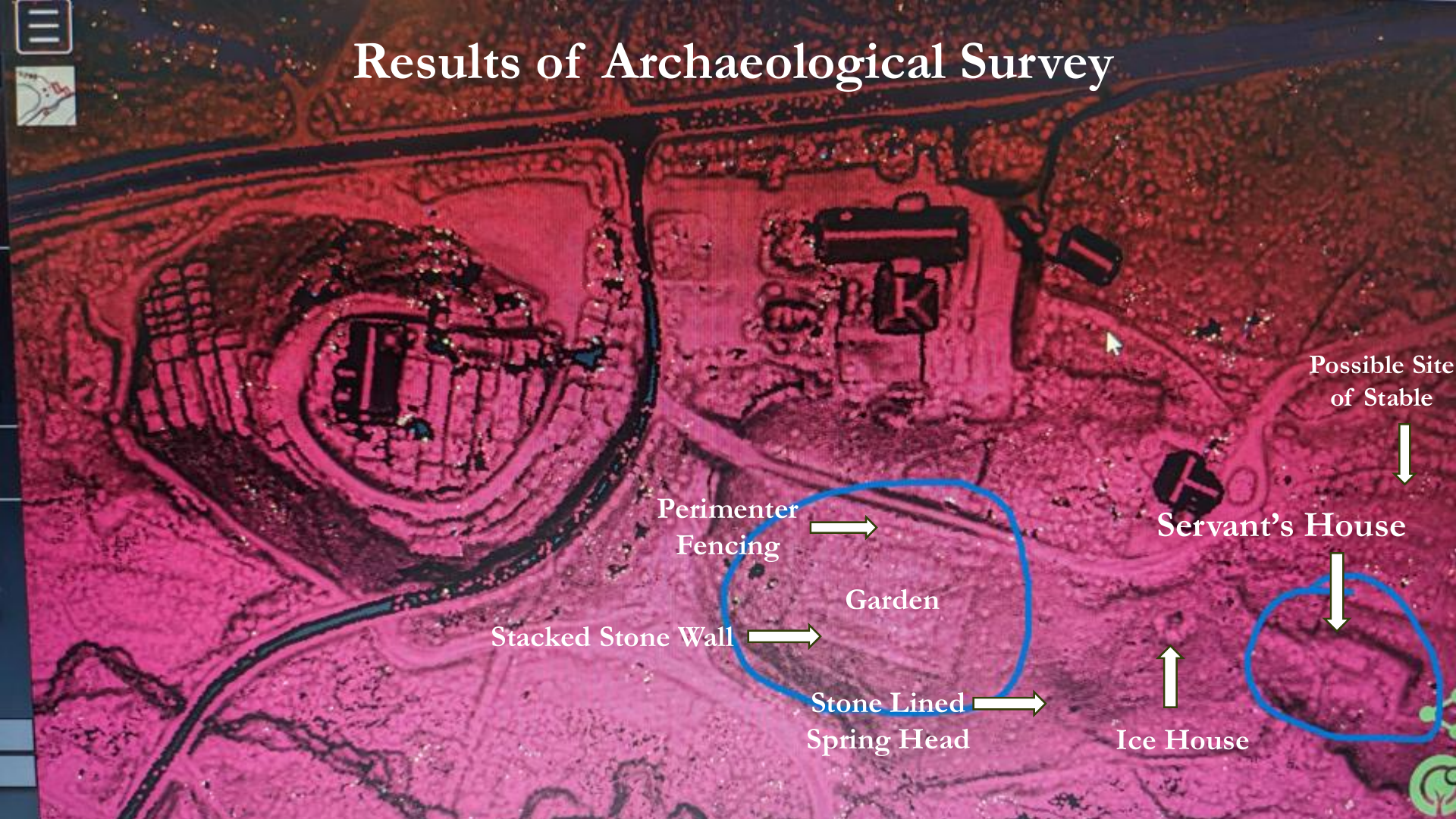
LiDAR image that helped identify the location of the servants house.
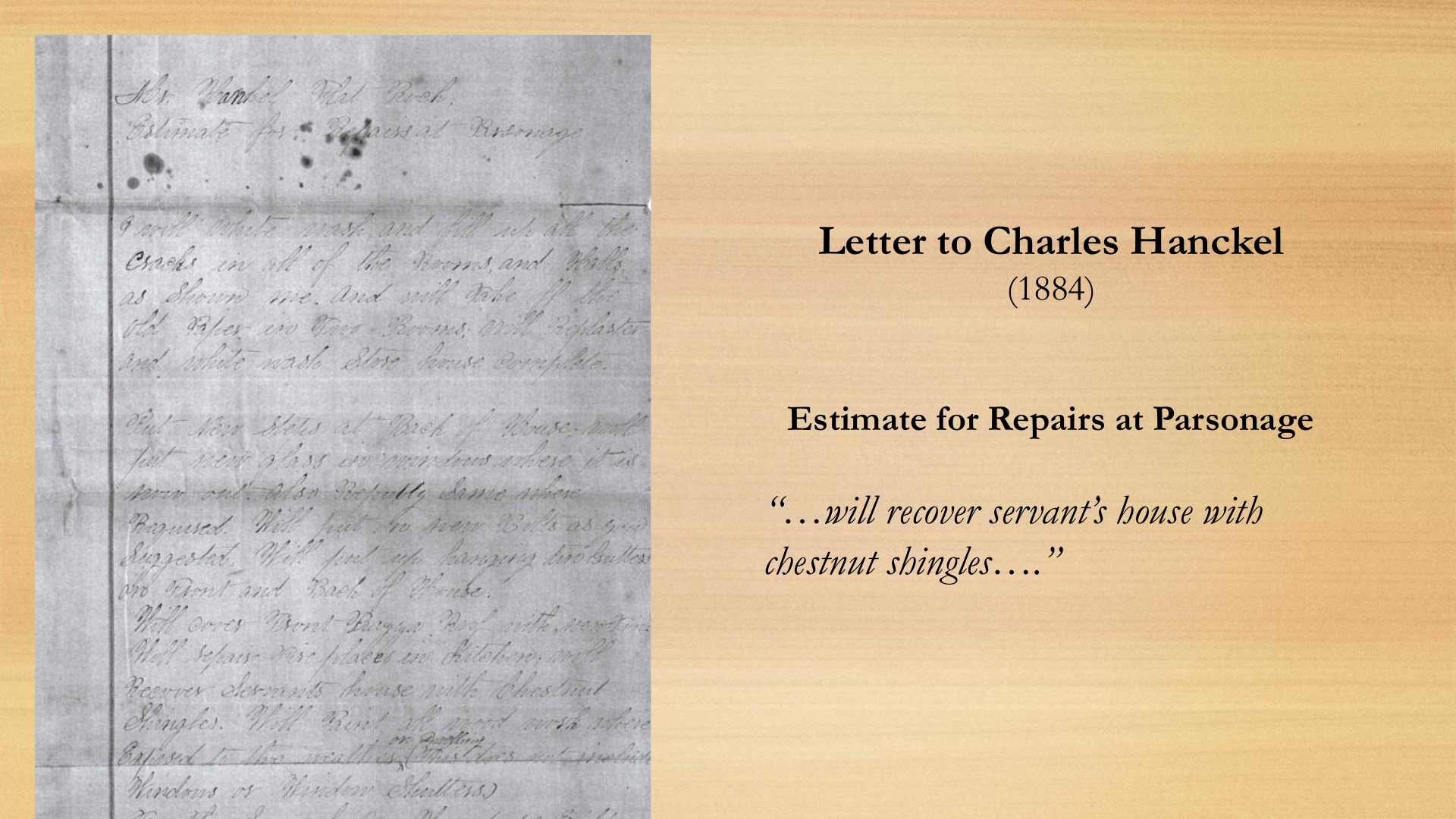
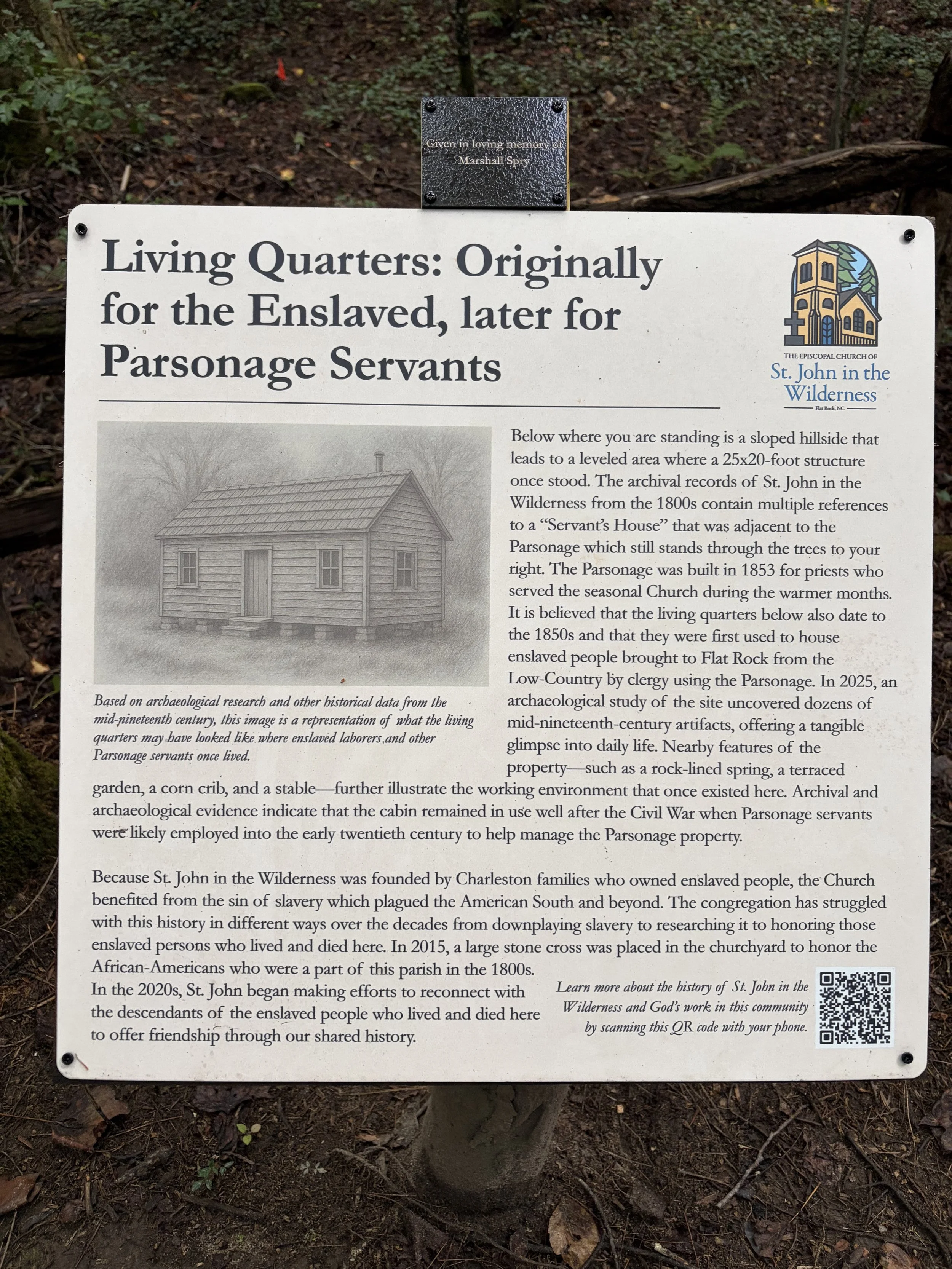
For about five years, the church's Archives Committee has been transcribing and cataloging records dating to St. John's founding in 1836: handwritten vestry minutes, parish registers, letters, bills, receipts, and repair contracts. In late 2023, committee members working through 19th-century financial records found several references to repairs on a “servants’ house” near the parsonage, which was built in 1853–54 and stood adjacent to today’s church offices and parish hall. One bill included the line, "I will recover the servant's house with chestnut shingles." Until then, said John Barker, the church's archivist and historian, "nobody knew that there was a servant's house on church property." No later church records or local histories mentioned it.
The documents established that a servants' house had existed, but they did not identify its location. A few weeks later, Luke Hunter of Historic Flat Rock, Inc., was studying LiDAR images of church property for an unrelated project when he noticed faint rectangular features beneath the dense vegetation. LiDAR can reveal subtle changes in the ground surface while filtering out trees, grass, and English ivy.
The timing was remarkable: the archive records and the ground images suddenly seemed to be describing the same place. But to the eye, the landscape gave little away. "You couldn't see anything because of the English ivy," Barker said.
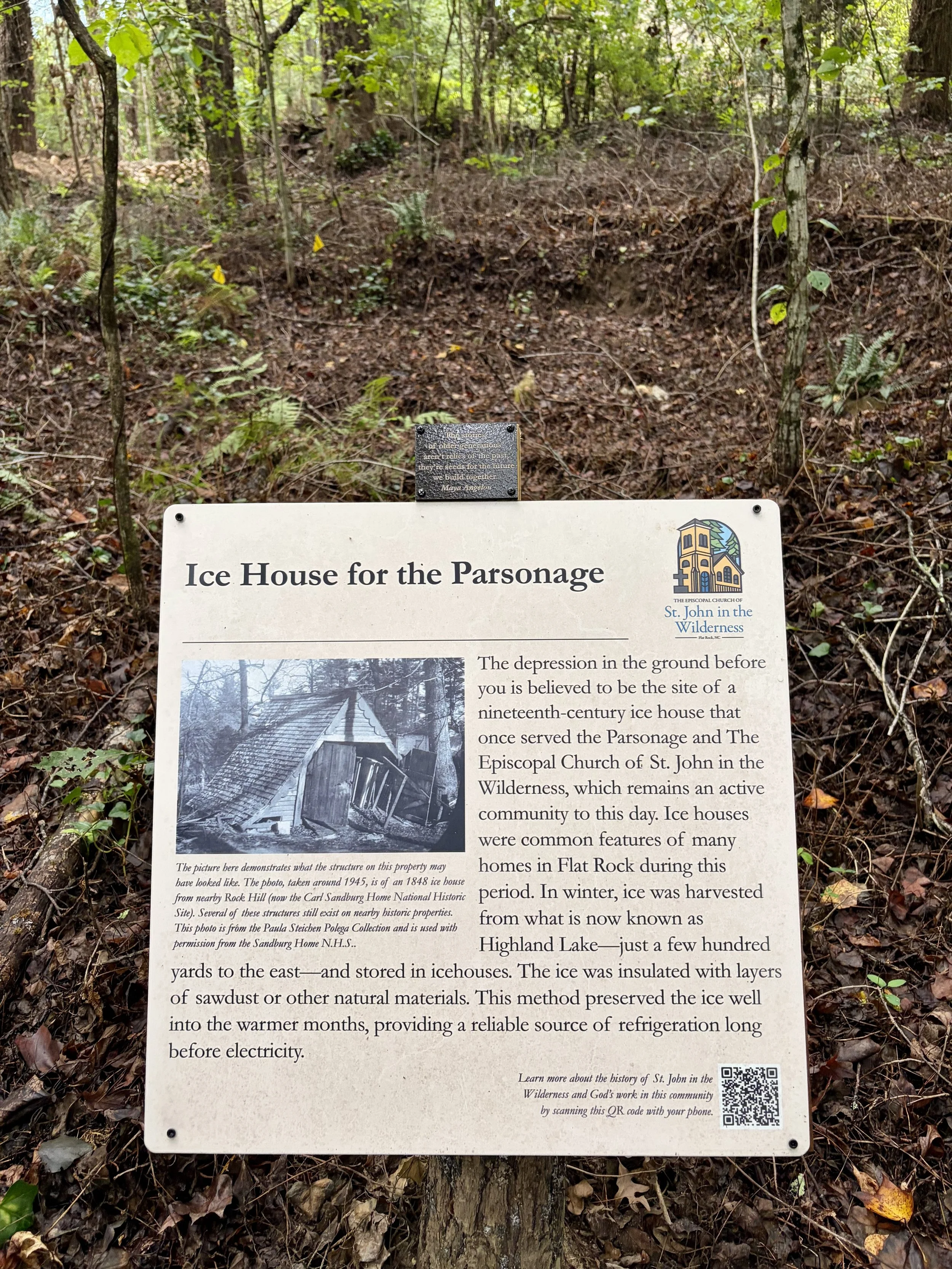
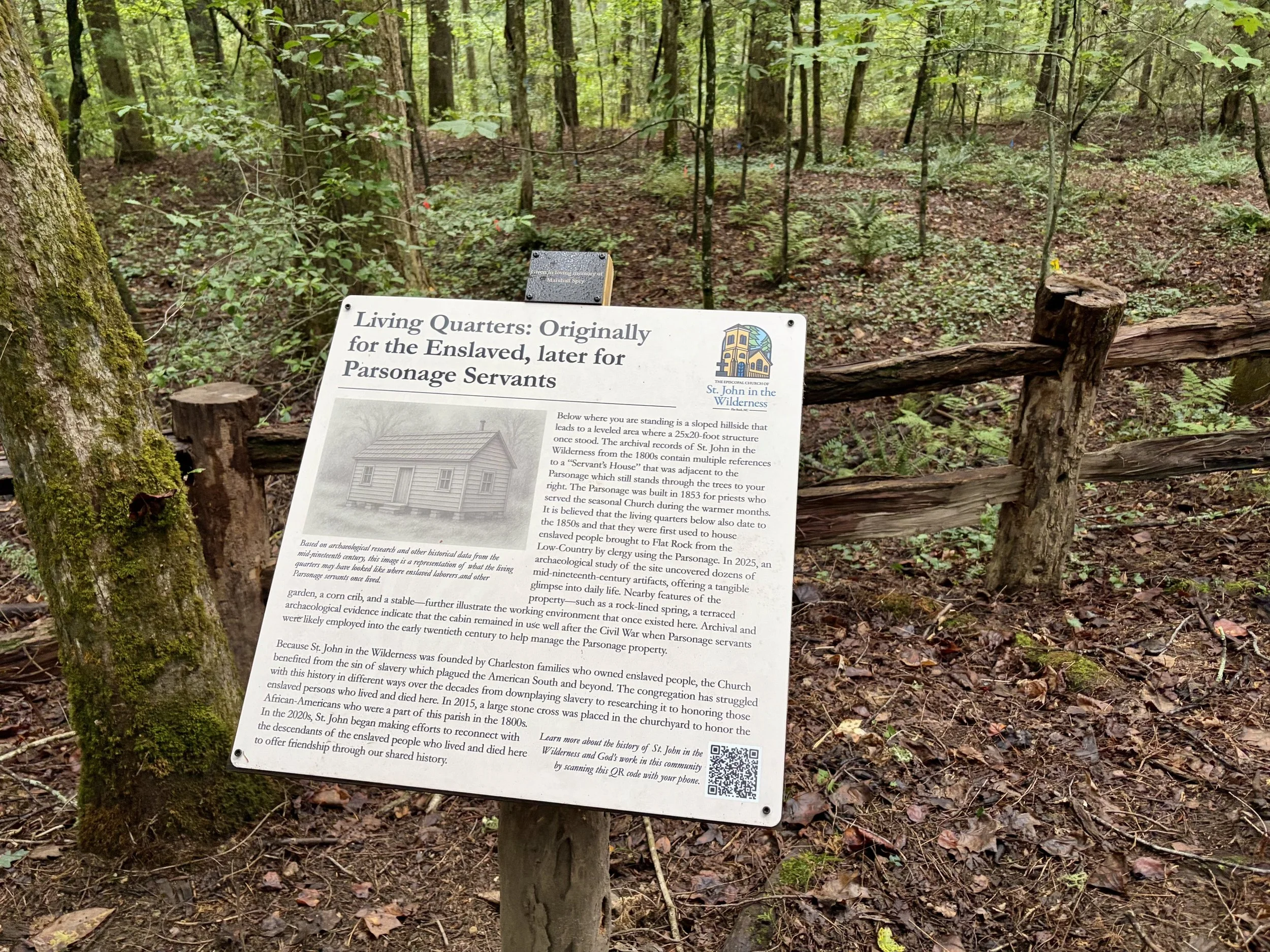
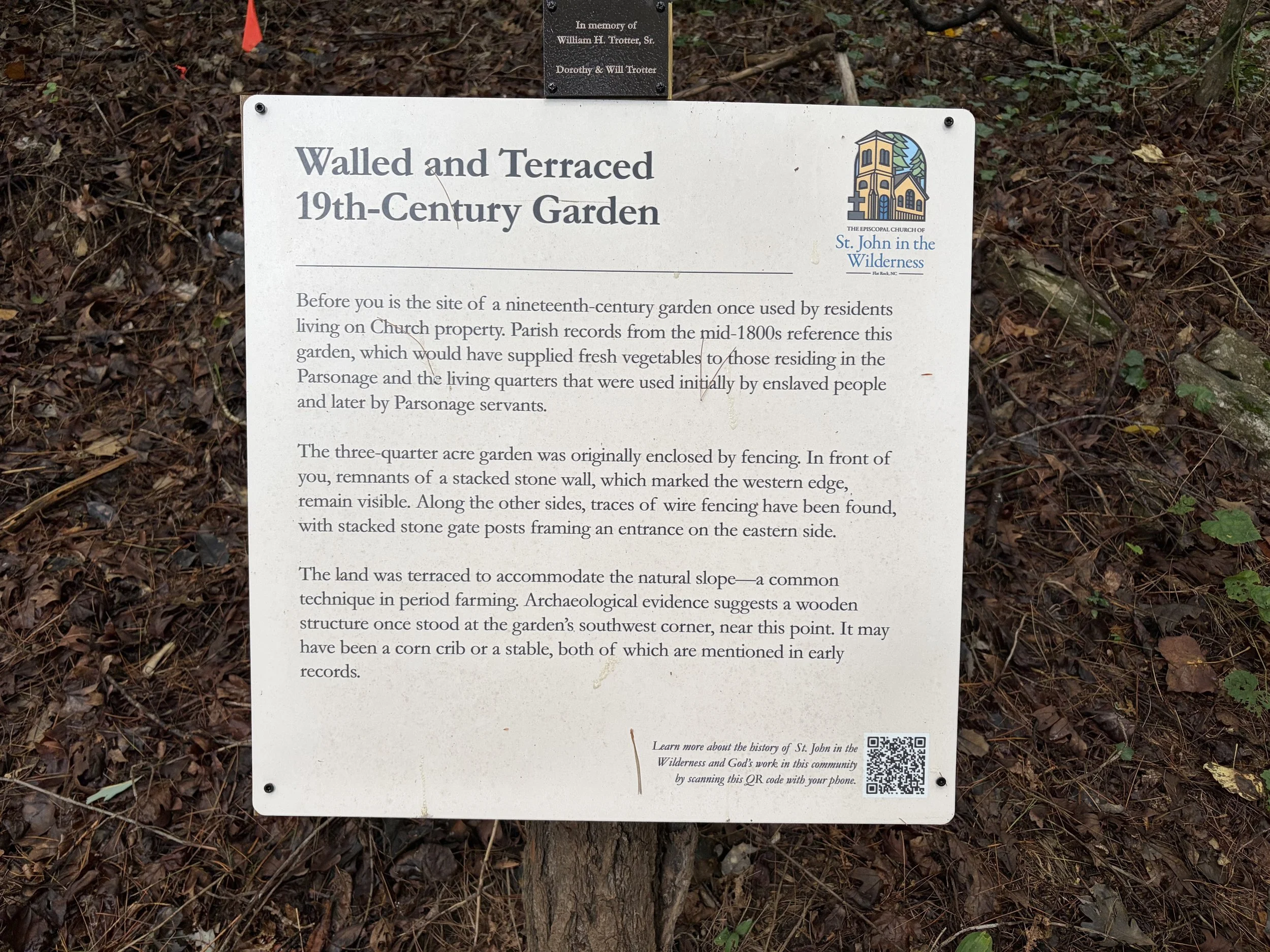
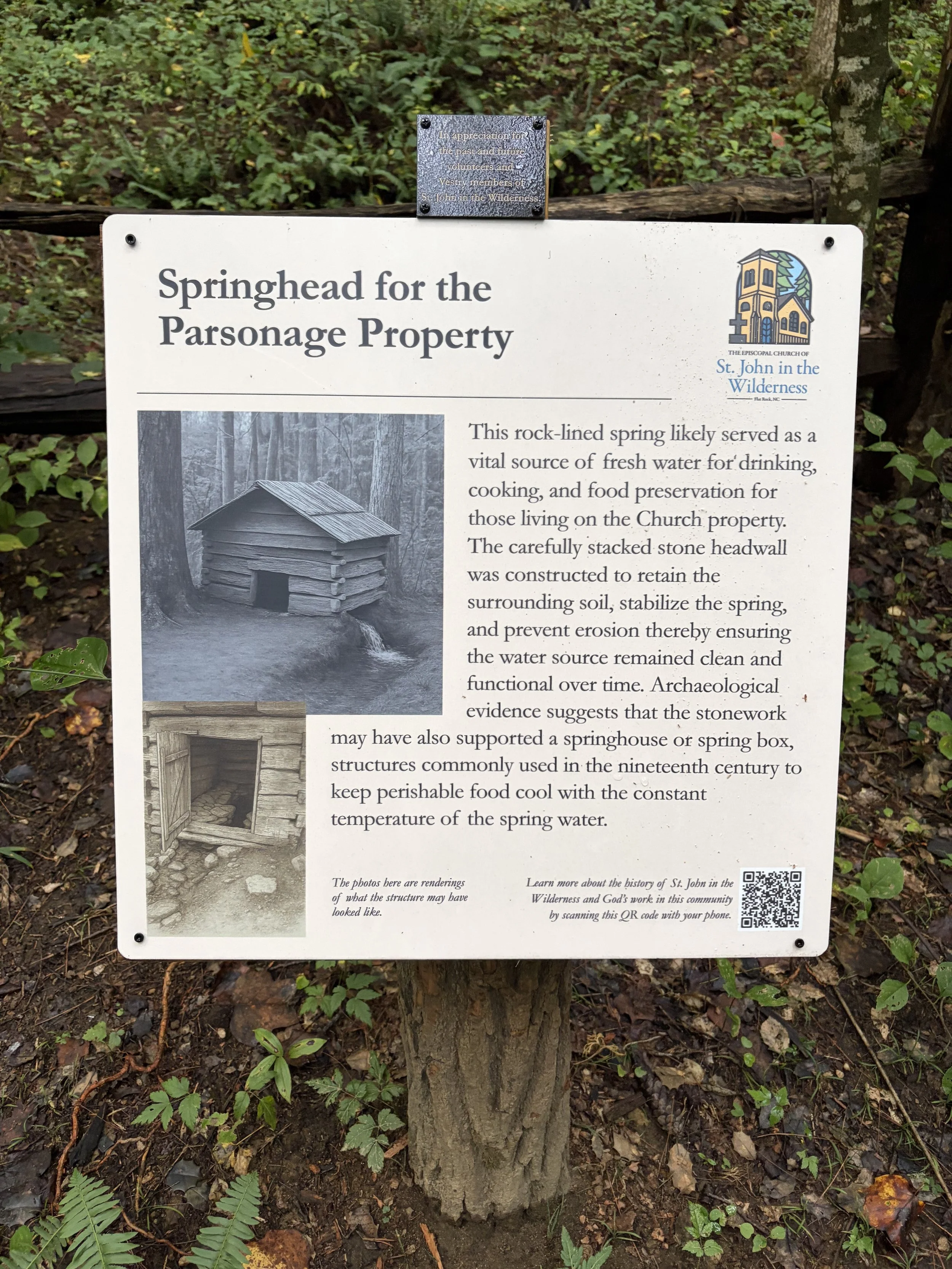
An investigation of the areas indicated by LiDAR uncovered foundation stones, handmade nails, and other evidence of habitation. A subsequent formal archaeological investigation confirmed the remains of a mid-19th-century dwelling at the end of an old path leading from the parsonage. It also identified a three-quarter-acre terraced garden bounded by a stacked-stone wall and wire fencing, a stone-lined spring head, the remains of an icehouse, and possible locations of a stable and corn crib mentioned in church records.
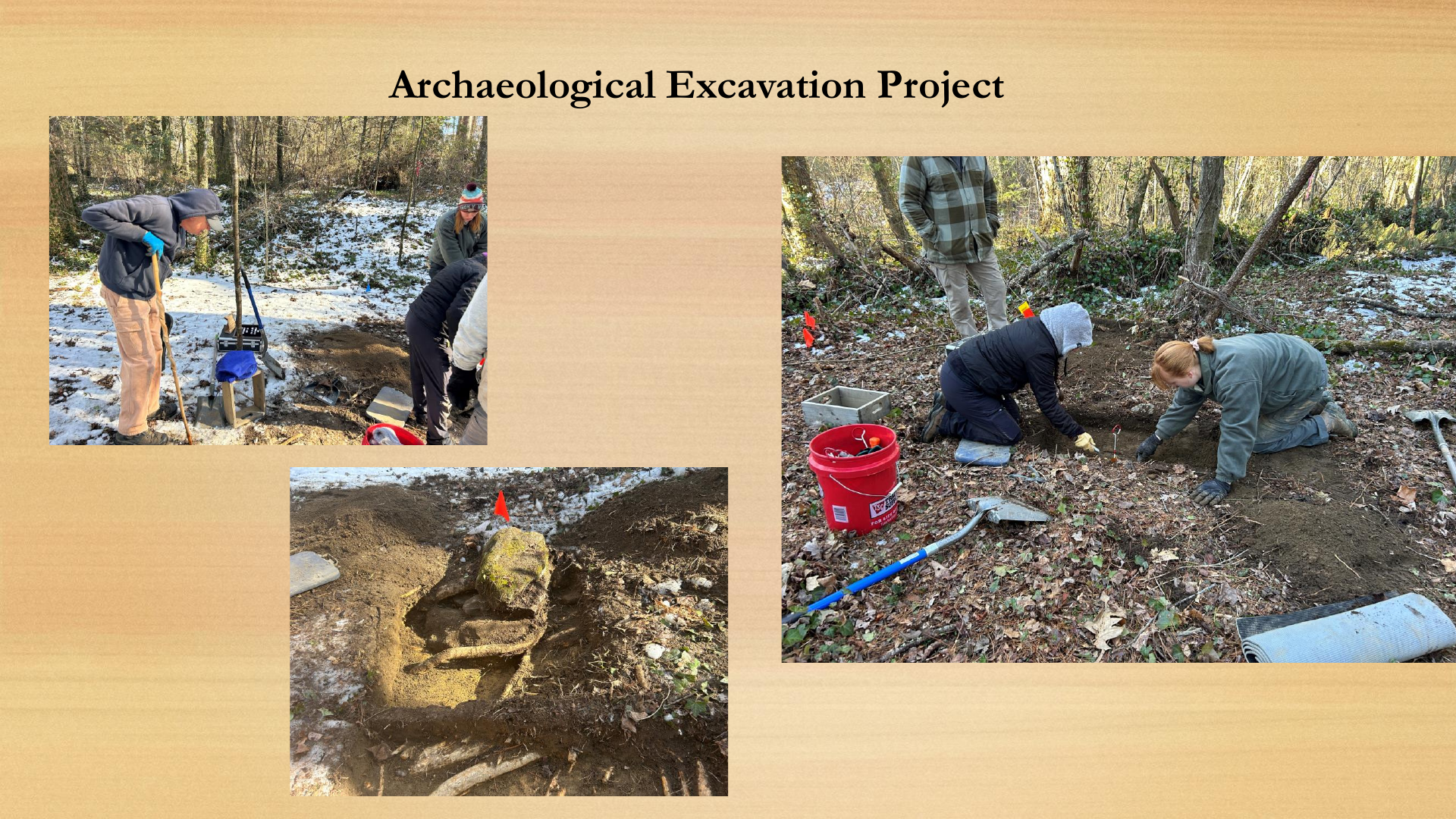
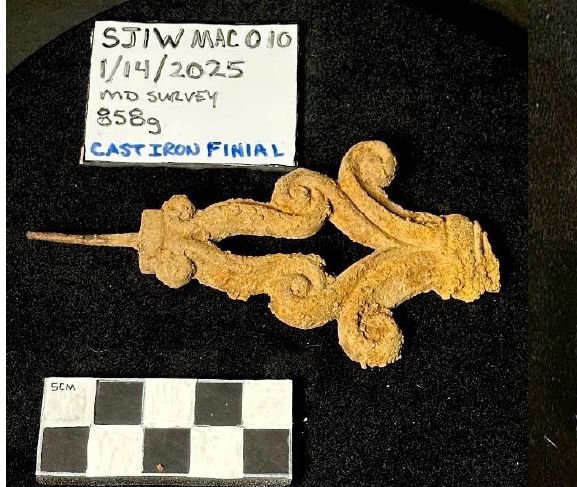
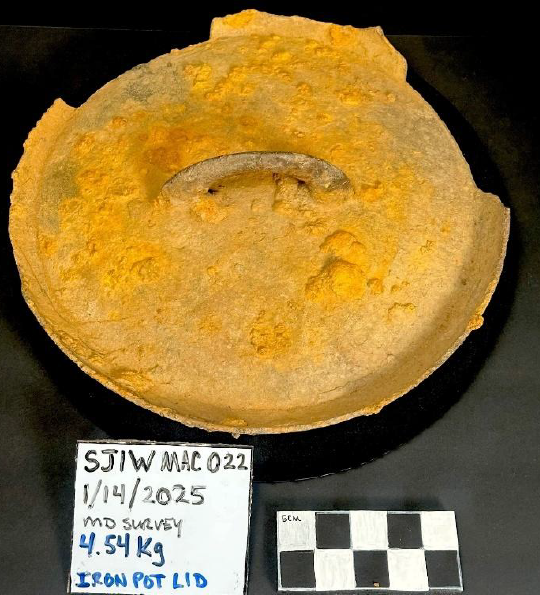
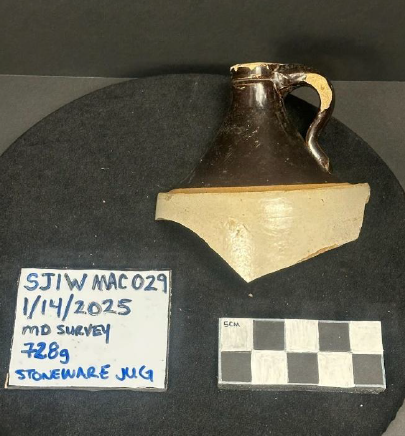
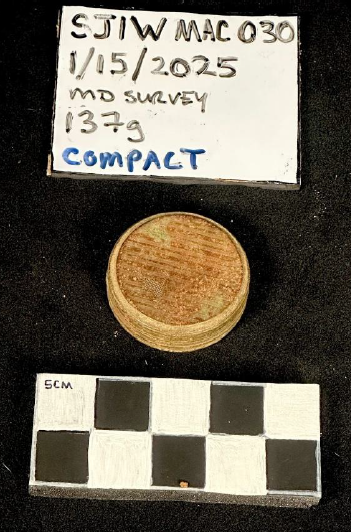
The finds brought daily life on the property into sharper focus. Discoveries included dishware, bottles, an earthenware jug, cooking vessels, a galvanized milk can, cast-iron stove parts, and hundreds of handmade nails. As archaeological work and trail planning proceeded on parallel tracks, the two projects began to inform each other. Trail designers sought to protect the historic landscape, while the new paths offered visitors a way to encounter it.
The unfolding landscape also carried a difficult history. Some early St. John rectors enslaved people, whom their records described as "servants." Barker said the church has identified enslaved people who lived on the property and whose names appear in parish records of baptisms, marriages, burials, and confirmations. "This was essentially, during the summer in particular, a working farm," he said. "There were enslaved people who lived here, who struggled under difficult circumstances."
For Barker, the value of the discoveries lies not in the artifacts themselves, but in what they make possible. "The value, of course, is not monetary," he said. "Its value is in helping us better understand what life was like at St. John in the Wilderness almost two centuries ago."
The research has also led St. John to talk about painful parts of its past "in ways that have been redemptive and healing for us and for the people we harmed in the past as well," Father Josh said. The trails now pass interpretive signs that identify the locations and purposes of former structures and gardens, offering a more complete understanding of the church's history.
The Four Trails
The names of the Trails of St. John honor generosity, restore memory, and acknowledge people whose lives helped shape both the church and the wider Flat Rock community.
The New Jerusalem Path recalls the 1850s route followed by Drayton as he walked from his home, Ravenswood, through neighboring estates, to St. John. By restoring a portion of that historic path, the church reconnected the present-day trail system with one of its earliest origins. The Rivers Stone Trail honors C. Rivers Stone, whose vision and generosity made the project possible.
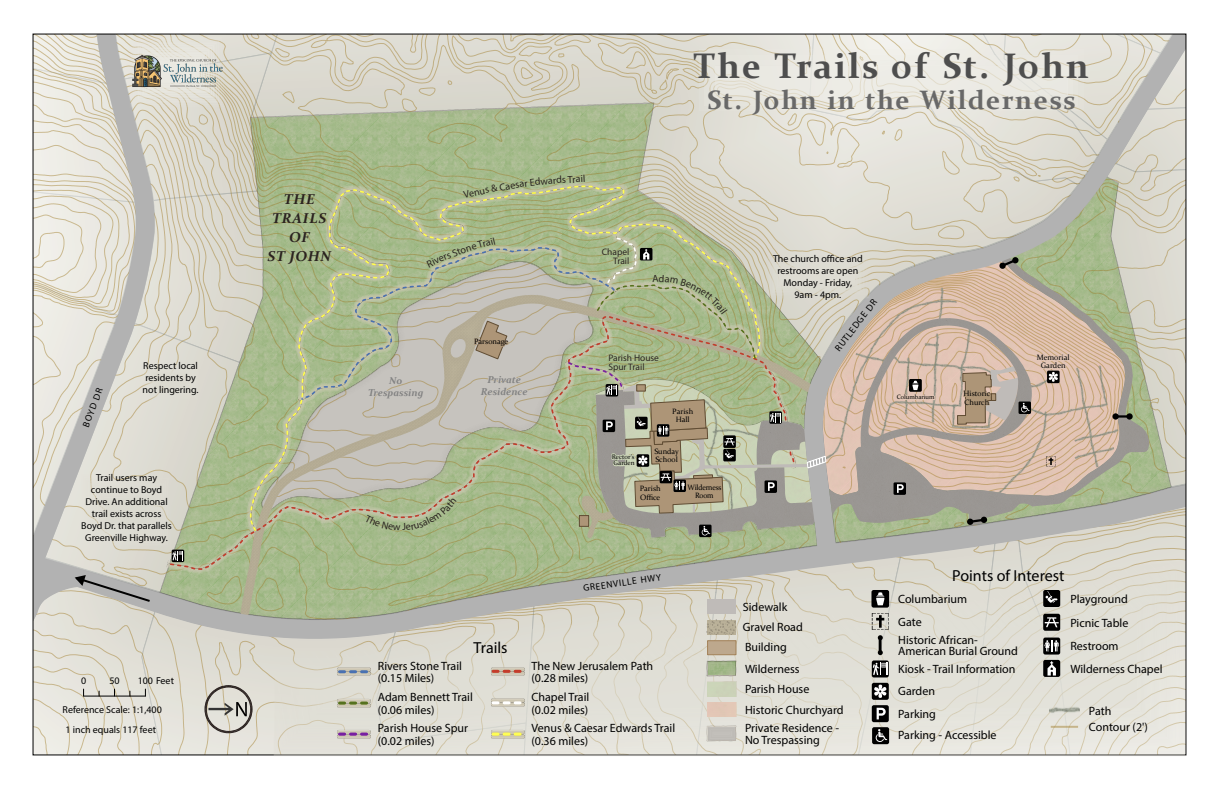
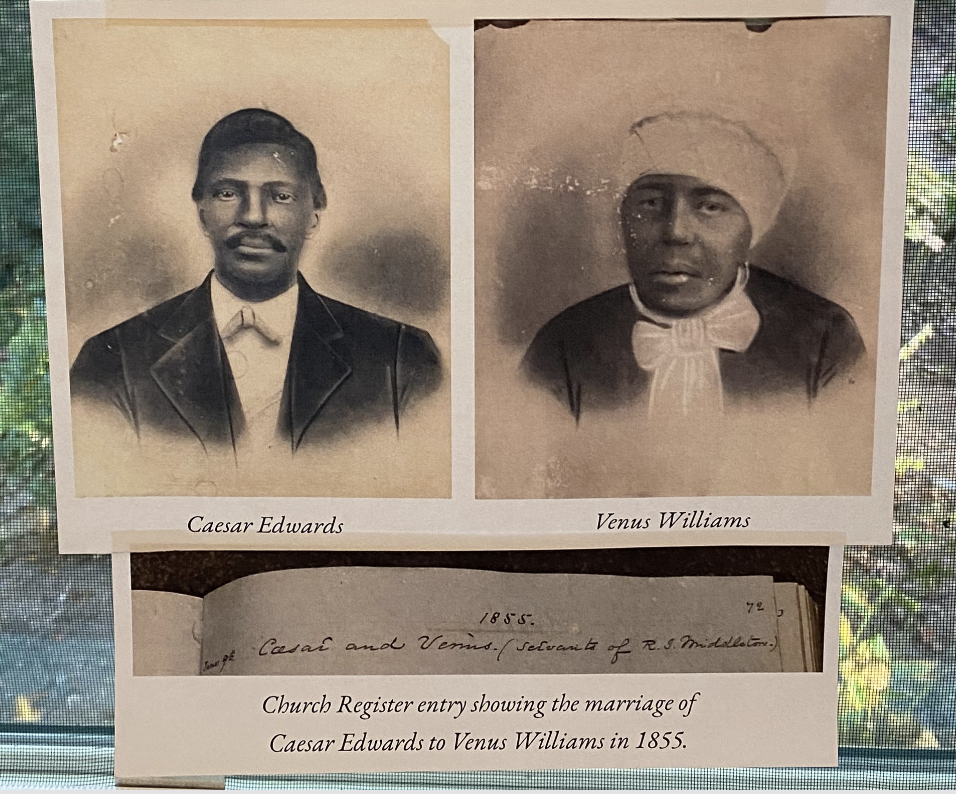
Two other trails invite a fuller understanding of the church's 19th-century history. The Venus and Caesar Edwards Trail honors Venus Williams Edwards and Caesar Edwards, enslaved people who were married at St. John in 1855 - the first marriage recorded in the parish register. After Emancipation, they made their home in East Flat Rock, helped found Mud Creek Missionary Baptist Church and the Society of Necessity, raised five children, and established a family whose descendants remain part of the community today. Their trail passes through an area where archaeological evidence points to the lives and labor of enslaved people on church property. "We have not always shared Caesar and Venus's story as we should have," Father Josh said. "We hope this trail helps to remedy that omission and is received as a gesture of healing and hope."
The Adam Bennett Trail honors another early Black member of St. John. Baptized at the church in 1863 while enslaved by Drayton, Bennett was a gifted horticulturalist whose work helped shape Magnolia Plantation and Gardens in Charleston. He became its first garden superintendent, and his family's influence continued there for generations.
Together, the trail names make the woods behind St. John more than a place to walk. They invite visitors to remember the people, faith, generosity, labor, and history that remain part of this landscape.
--
Nearly 200 years after a small chapel was built in the wilderness of Flat Rock, St. John in the Wilderness has reclaimed a portion of that wilderness - and, with it, much of the history held within it. The Trails of St. John connect an old route to the church, a generous gift, a community's spiritual life, and the rediscovery of people and places too long overlooked.
Today, what was once overgrown and largely unseen has become an outdoor sanctuary, a place of welcome for parishioners and neighbors, and a living reminder that the past is never entirely gone. Sometimes it sits quietly, waiting to be remembered.